 新兴科技· · 2 分钟
Mapping Change: Illuminating Our World.
Today's tech news is buzzing with innovation and pressing challenges. From groundbreaking medical studies to advancements in construction technology, the landscape is evolving rapidly. It's a reminder that while we push forward, we must also address the past's shadows, especially in environmental and healthcare contexts.
Mapping Change: Illuminating Our World

NASA's latest analysis of nighttime lights reveals a planet in flux. Instead of a simple increase in artificial light, some areas are dimming while others brighten, showcasing economic shifts and environmental changes. This nuanced understanding of our planet's nighttime landscape could inform future urban planning and sustainability efforts.
The data, gathered through nearly a decade of observations, highlights the importance of monitoring how human activity reshapes our environment. As cities grow and evolve, these insights could drive policies aimed at reducing light pollution and improving energy efficiency.
Women in Construction: Bridging the Gap

Australia's construction industry is facing a skills shortage, and new research suggests that attracting young women could be a key solution. Currently, only 13% of the workforce comprises women, with even fewer in trade roles. By implementing more supportive environments and programs tailored for women, the industry could see significant gains in both workforce diversity and productivity.
The findings emphasize the need for a cultural shift within the industry, making it more inclusive and appealing to young women. With infrastructure demands on the rise, this could be a timely opportunity for change.
Tech Meets Nature: Unexpected Discoveries
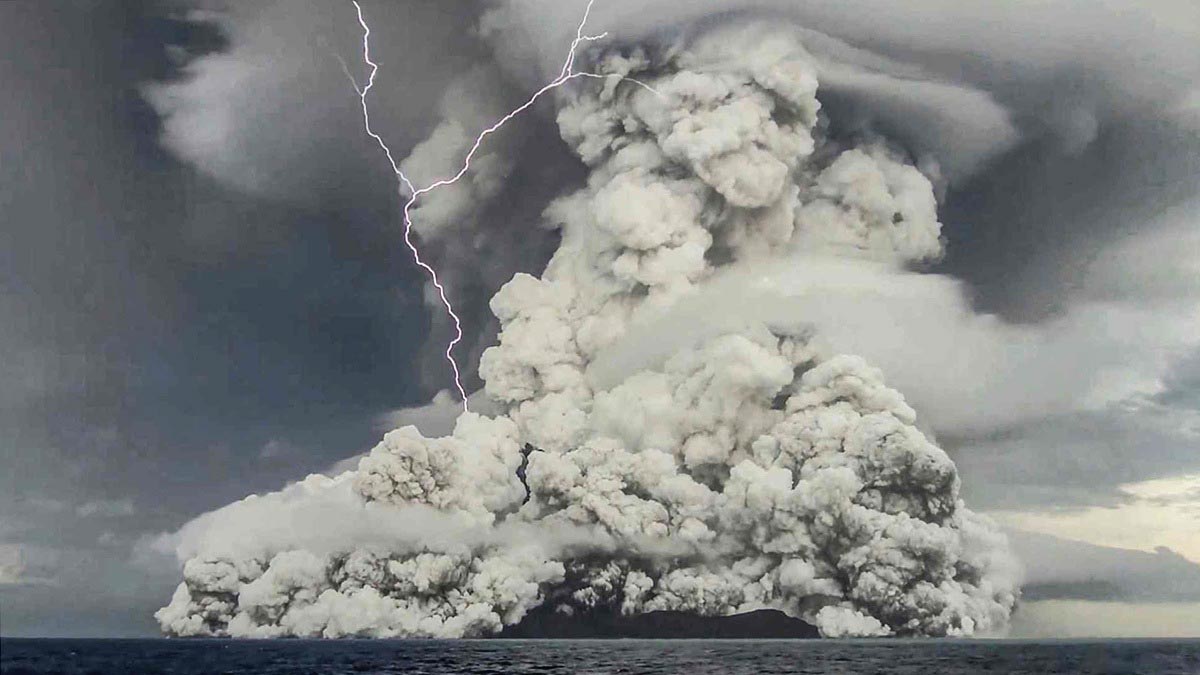
Scientists have found that the eruption of a volcano in Tonga may have inadvertently helped reduce methane levels in the atmosphere. The eruption released formaldehyde, a byproduct of methane breakdown, which indicates a natural process of methane removal may be happening. This discovery opens up new avenues for understanding how volcanic activity can impact global warming.
Similarly, researchers in Zambia have detected signs of a tectonic rift forming beneath the surface, hinting at geological changes that could reshape the continent over millions of years. These findings remind us that nature often holds secrets that could influence our understanding of climate and sustainability.
The Australian construction industry faces this percentage in skills shortages, exacerbated by the lack of women in the workforce.
来源Volcano's Surprising Role in Methane Reduction
The Hunga Tonga volcanic eruption not only shocked the world but also helped reduce atmospheric methane levels. Researchers found elevated formaldehyde, a sign of methane breakdown, during their analysis.
New Insights into Lacunar Stroke
A recent study challenges the belief that fatty plaques cause lacunar strokes. Researchers have found a link to changes in small blood vessels, leading to new potential treatment strategies.
- Coal Pollution Cuts Solar Power OutputA study reveals that coal pollution is significantly limiting the energy output of solar installations worldwide. — University of Oxford
- Artemis II Astronauts Recall Stunning Solar EclipseAstronauts from Artemis II share their awe-inspiring experience of a solar eclipse visible only from space. — Live Science
- North and Latin America's Wildlife Values DivergeA study traces differing wildlife values between North and Latin America to colonial roots, highlighting social and cultural influences. — Colorado State University
- New Method for Efficient Earth-Moon TravelResearchers have developed a method for calculating more efficient travel routes between Earth and the moon, saving fuel costs. — FAPESP
- Geomagnetic Storm Could Spark Northern LightsA geomagnetic storm is expected to illuminate the northern lights as far south as Michigan this weekend. — Space.com
本期内容对你有帮助吗?
点一下就好,这将影响下一期。