 新兴科技· · 2 分钟
AI Innovations: The Future Unfolds.
Today's tech news dives deep into the intersections of AI, environmental science, and innovative engineering. From new cancer vaccine methods to the latest in autonomous robotics, there's a lot shaking in the world of technology that could shape our future. Let's explore the stories that matter.
AI Innovations: The Future Unfolds
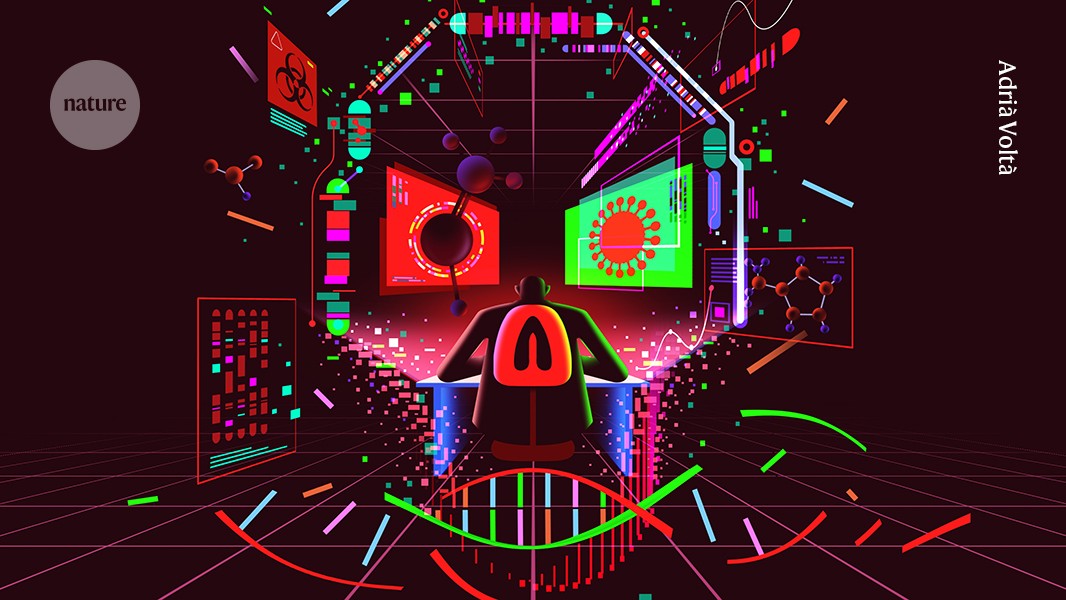
AI isn't just a buzzword; it's becoming integral in various sectors. Recent developments include AI tools that can design viruses, raising biosecurity concerns, and autonomous robots handling logistics tasks at SAP. We're witnessing a shift toward AI in practical, everyday applications, blurring the lines between technology and routine.
Nature's Alarms: Climate Under Threat

The Amazon rainforest's carbon cycle is speeding up, influenced by violent storms and changing ecosystems. Meanwhile, Portugal's forests face a dual threat from winter storms and imminent summer fires. These stories highlight urgent environmental challenges that could have far-reaching impacts.
Quantum Leap: Advances in Computing

Researchers have made strides in quantum computing by solving key challenges in neutral-atom qubits. A new method promises more stable operations, inching us closer to practical quantum systems. This could revolutionize how we approach complex problem-solving in the future.
Revolutionizing Robotics
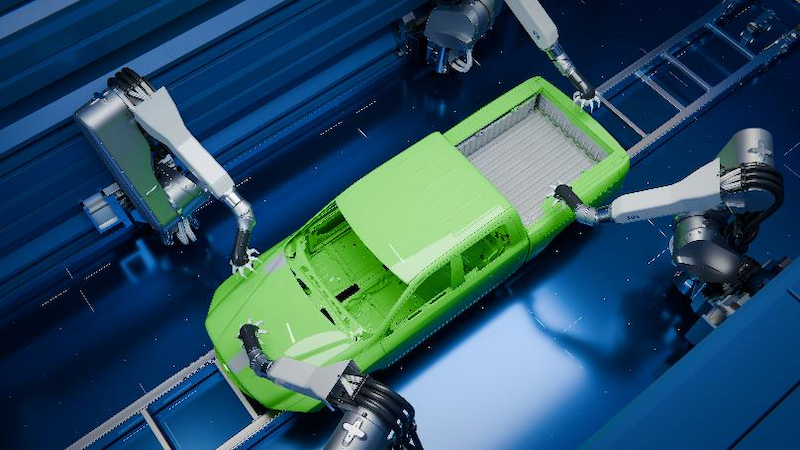
Companies like Dürr and SAP are pushing the envelope with innovative robotic solutions. From advanced painting robots to fully autonomous systems in logistics, the evolution of robotics is reshaping industries, making them more efficient and cost-effective.
Health Tech Breakthroughs
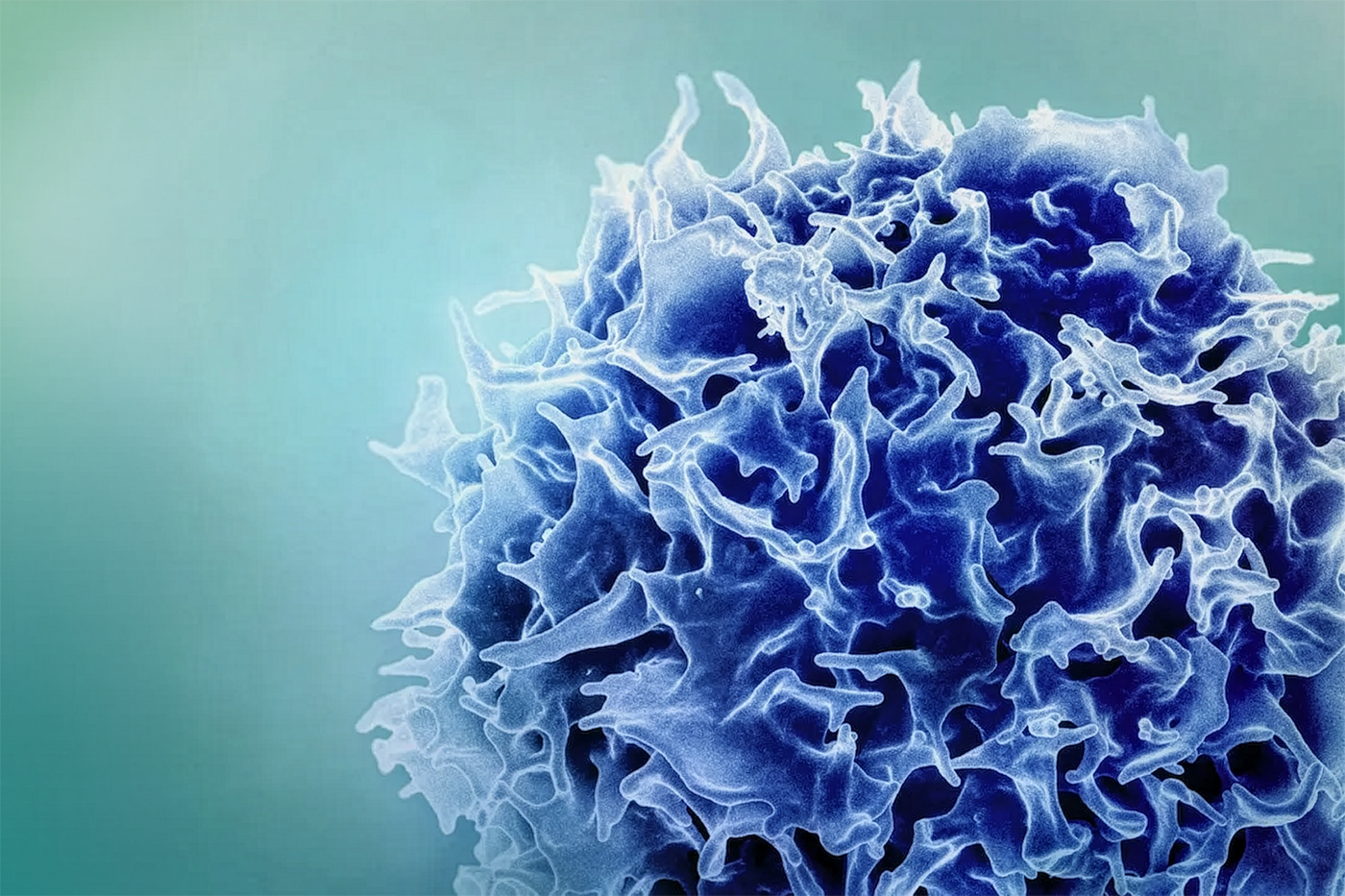
A new cancer vaccination technique shows promise in generating more powerful T cells. This could lead to better treatments for cancer, showcasing the potential of combining technology with medical research for life-saving advancements.
The projected cost of deploying the Golden Dome missile defense system over 20 years, significantly higher than previous estimates.
来源The number of cases processed by Symbotic's autonomous mobile robots in 2025, reflecting increasing adoption of physical AI.
来源The range of Russia's Satan II nuclear missile, showcasing advancements in military technology.
来源AI can design viruses, toxins and other bioweapons. How worried should we be?
AI's ability to design dangerous biological agents is raising ethical and security concerns. Experts caution that while the technology is powerful, its misuse poses significant risks.
A new approach to cancer vaccination yields more powerful T cells
MIT researchers have developed a method that enhances T cell responses to mRNA vaccines. This advancement could lead to breakthroughs in cancer treatment and beyond.
Amazon's carbon clock is speeding up, and violent storms may be only part of why
A study shows that storms are affecting carbon residence time in the Amazon. This could have significant implications for global climate regulation.
- After winter storms, fires now threaten Portugal's forestsPortugal's forests are at risk from both winter storms and the upcoming summer fire season. — Phys.org
- A rare sanctuary in Congo looks after baby bonobos away from poaching threatA sanctuary in Congo is providing care for orphaned bonobos, highlighting conservation efforts against poaching. — Phys.org
- GrapheneOS Claims Google, Apple Are Blocking Alternative Phone Operating SystemsGrapheneOS accuses tech giants of using verification methods to stifle competition from alternative operating systems. — ExtremeTech
- Dürr launches new robots with optimized arm geometry for painting tasksDürr has introduced a new painting robot designed for high efficiency in automotive applications. — Robotics and Automation News
- Diagnostic dilemma: An infant's brown eyes turned indigo after COVID antiviral treatmentA case study reveals an unusual side effect of an antiviral medication in a COVID-positive infant. — Live Science
本期内容对你有帮助吗?
点一下就好,这将影响下一期。