 Sicurezza· · 2 min
Critical Vulnerabilities Exposed.
Today’s cybersecurity landscape is buzzing with critical vulnerabilities and emerging threats. From AI-driven scams to major data breaches, the stakes have never been higher. Let's dive into the key stories shaping the future of security.
Critical Vulnerabilities Exposed

A new flaw in cPanel could let hosting customers run SQL as database root, raising alarms for web hosts everywhere. Meanwhile, a 22-year-old BMC vulnerability threatens thousands of data centers, with potential for major exploits.
CISA has added an authentication bypass vulnerability in N-able N-central to its catalog after it was exploited in the wild. This could give attackers administrative control over vulnerable servers, creating a serious risk for managed service providers.
AI-Driven Threats on the Rise

AI is now responsible for over half of all cybercrime in Africa. The rise of AI-powered scams, social engineering, and credential harvesting is driving losses to staggering heights.
Weaponized email AI assistants are becoming tools for attackers, allowing them to hijack accounts without direct access. This new facet of cybercrime is making it easier for bad actors to exploit compromised accounts.
Data Breach Alerts

Madera Community Hospital is notifying over 150,000 individuals about a data breach that exposed sensitive personal and medical information. The breach occurred due to unauthorized access in May 2025.
Additionally, the UK’s Police National Legal Database has been compromised, revealing sensitive details about police officers and justice professionals. This incident highlights the vulnerability of critical public sector data.
Emerging Scams and Attacks
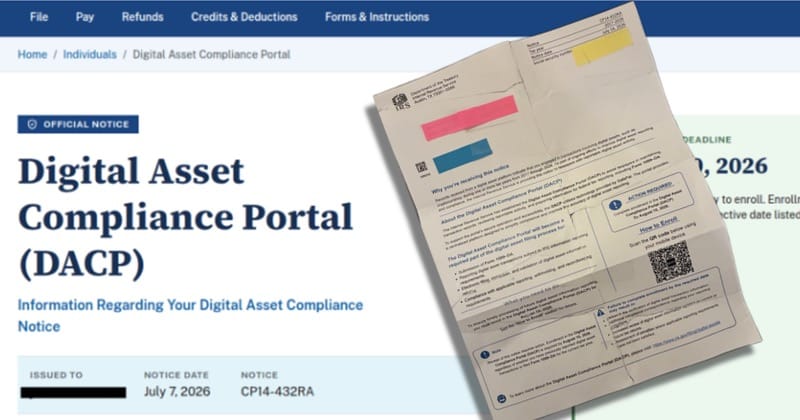
Scammers are sending fake IRS letters to cryptocurrency holders, tricking them into revealing personal details. These official-looking letters direct victims to fraudulent websites, posing as the IRS.
WhatsApp is also facing a surge in scams, with attackers hijacking accounts using a 'vote for my friend' approach. This clever ruse exploits the platform's linked devices feature, allowing hackers to gain full access without any login alerts.
Microsoft Bug Bounty Program: $20 Million Paid to 500 Researchers
Microsoft has paid out over $20 million through its bug bounty programs in the last year, highlighting the importance of community engagement in enhancing security. This year saw a significant increase in submissions, reflecting the growing role of researchers in identifying vulnerabilities.
CVE-2026-18577: N-able N-central Authentication Bypass Exploited in the Wild
The N-able N-central platform faces a serious authentication bypass vulnerability, allowing attackers to gain admin access to servers. This flaw was seen exploited in the wild, emphasizing the need for urgent patches.
- Cloud and SaaS Environments Now Top Targets for AttackersCloud and SaaS platforms are increasingly targeted by cybercriminals, as they shift focus from malware to identity compromise. — Infosecurity Magazine
- Decades-Old BMC Vulnerability Exposes Thousands of Data Centers to AttacksA 22-year-old BMC vulnerability puts thousands of data centers at risk, allowing for potential remote access exploits. — SecurityWeek
- Fake Adobe and Zoom Updates Install ScreenConnect for Persistent Remote AccessScammers are using fake software updates to install remote access tools on victim devices. — The Hacker News
- TP-Link Omada ZTP Vulnerabilities Chain Into Full Network TakeoverNew vulnerabilities in TP-Link's Omada systems can chain together to take over entire networks. — SecurityWeek
- Zenity Raises $125 Million in Series C FundingAI security company Zenity has raised $125 million to enhance its platform for governing AI agents. — SecurityWeek
Questa edizione ti è stata utile?
Basta un clic: orienta la prossima.