 Seguridad· · 2 min
Malware Mayhem on Mobile.
Today's cybersecurity landscape is buzzing with significant developments. From malware threats targeting mobile devices to high-stakes settlements over privacy violations, it's a busy day in the digital security realm. Let's dive into the highlights.
Malware Mayhem on Mobile

ToxicPanda malware is making waves by using VPN permissions to block Google Play, enabling it to dodge security checks and target banking apps. This new version can control a staggering 349 applications and supports 167 remote commands, posing a serious threat to users globally.
Meanwhile, hackers are infecting Android car head units with proxy botnet malware. This supply-chain attack utilizes legitimate update apps to spread malware, creating a proxy for ad fraud or botnet activities. The MoYu group is behind this innovative and alarming technique.
Major Settlements and Regulations

TikTok just agreed to a $400 million settlement over child privacy violations in the U.S., highlighting the ongoing scrutiny of tech giants regarding user data. This settlement underscores the need for stricter regulations in the social media space.
In a different realm, the U.S. Postal Service is finalizing controversial regulations on mail-in ballots. This move could give the federal government unprecedented control over voting, just as the Supreme Court prepares to weigh in on the matter.
Banking Trojans in Focus

A trio of banking trojans—Manic, Grandoreiro, and the newly upgraded ToxicPanda 2.0—are gaining attention for their sophisticated techniques. These malware strains can steal credentials, conduct fraud, and even monitor user activity across various platforms.
Manic has been particularly active in Ukraine, targeting banks and military applications, while Grandoreiro continues to expand its reach in Latin America. The threats are evolving, and so should our defenses.
Windows Security Under Scrutiny
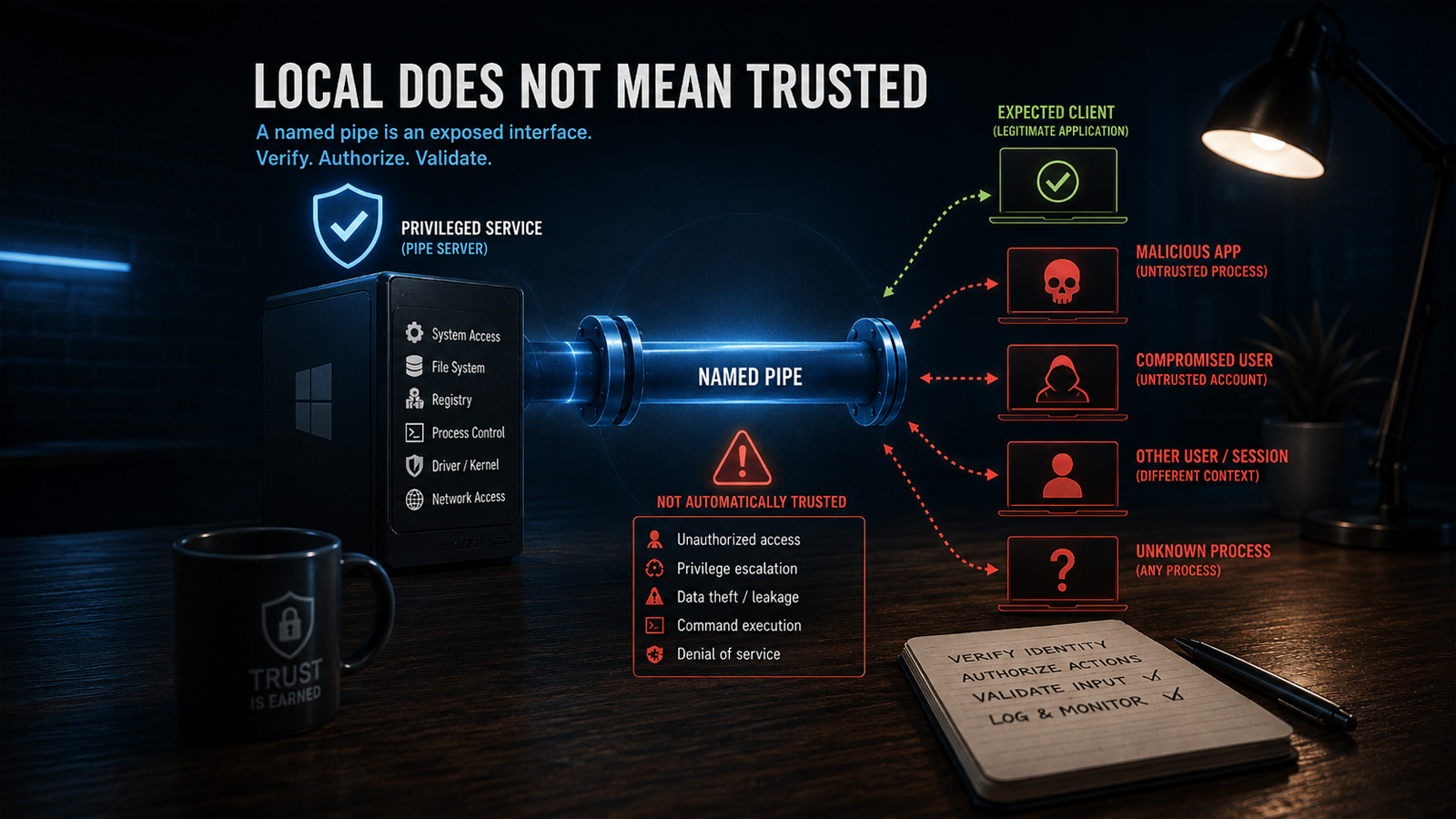
A recent analysis highlights vulnerabilities in Windows named pipes, often considered a trusted communication method between applications. However, the reality is that these pipes can be exploited by malicious processes running under different security contexts.
This revelation calls for a reevaluation of how we perceive 'trusted' communications within operating systems. Developers need to rethink their security assumptions.
This is the amount TikTok agreed to pay in a privacy settlement, highlighting the financial repercussions of data mismanagement.
FuenteToxicPanda malware can target this many apps, showcasing its extensive reach in the malware landscape.
FuenteThis refers to the number of commands ToxicPanda 2.0 can execute, allowing for sophisticated control over infected devices.
FuenteToxicPanda Android Malware Evolves
ToxicPanda malware has recently upgraded its capabilities, using VPN permissions to block Google Play. This allows it to avoid security checks and target a wide range of applications, significantly increasing its threat level.
TikTok's $400 Million Settlement
TikTok has reached a $400 million settlement in a lawsuit surrounding child privacy issues in the U.S. This case sheds light on the ongoing legal battles tech companies face regarding user data protection.
- Hackers Infect Android Car Head Units with MalwareA supply-chain attack is compromising Android car head units to create a proxy botnet or enable ad fraud. — Bleeping Computer
- Named Pipes Under Attack: Securing Windows CommunicationWindows named pipes are vulnerable to attacks, necessitating a reevaluation of their security assumptions. — Bleeping Computer
- Banking Trojans Manic, Grandoreiro, ToxicPanda 2.0 in the SpotlightNew banking trojans are emerging, posing significant threats to user security and privacy. — SecurityWeek
- Postal Service Finalizes Mail Ballot RegulationsThe U.S. Postal Service is finalizing controversial mail-in ballot regulations ahead of a Supreme Court ruling. — Cyberscoop
¿Te resultó útil esta edición?
Un clic basta: nos ayuda a mejorar la próxima.