 开源· · 2 分钟
Shifting Paradigms in Open Source.
Today’s tech buzz is all about open-source innovations and security challenges. With major players like IBM and Nvidia entering the fray, the landscape is shifting. Meanwhile, policies around AI submissions are stirring debates.
Shifting Paradigms in Open Source
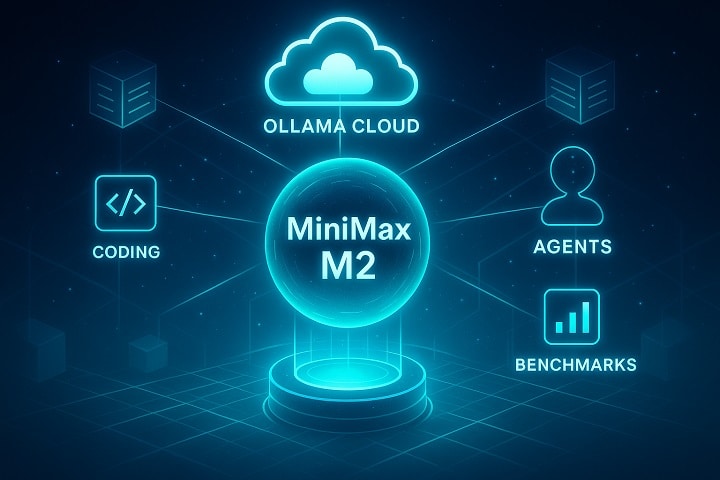
MiniMax just launched its M3 coding model, boasting a million-token context but holding back on full open-source commitment. This reflects a trend where companies embrace open weights while keeping core components proprietary. Meanwhile, Flathub's ban on AI-assisted submissions is raising eyebrows, as critics argue it disproportionately impacts open-source developers who face scrutiny that proprietary apps avoid.
Volkswagen's API shake-up has disrupted open-source EV charging tools, reigniting conversations about data ownership in the automotive sector. As companies pivot to proprietary ecosystems, the push for interoperability becomes more crucial than ever.
Security Woes in Open Source

Anthropic’s Project Glasswing has uncovered over 10,000 vulnerabilities across open-source software, exposing a significant remediation gap. With only a fraction of major flaws getting patched quickly, the security of open-source projects is at risk. IBM's involvement signals a need for bigger players to step up in addressing these issues.
Nvidia is also stepping into the mix with its NemoClaw framework, aimed at building secure AI agents. This toolkit is intended to help developers navigate security challenges while enhancing AI capabilities in enterprise settings.
Advancements in AI and Development Tools
Nvidia has introduced an open-source toolkit to help developers build secure AI agents, addressing orchestration and security challenges. The new NemoClaw framework offers templates for better deployment of AI systems, making it easier to create robust applications.
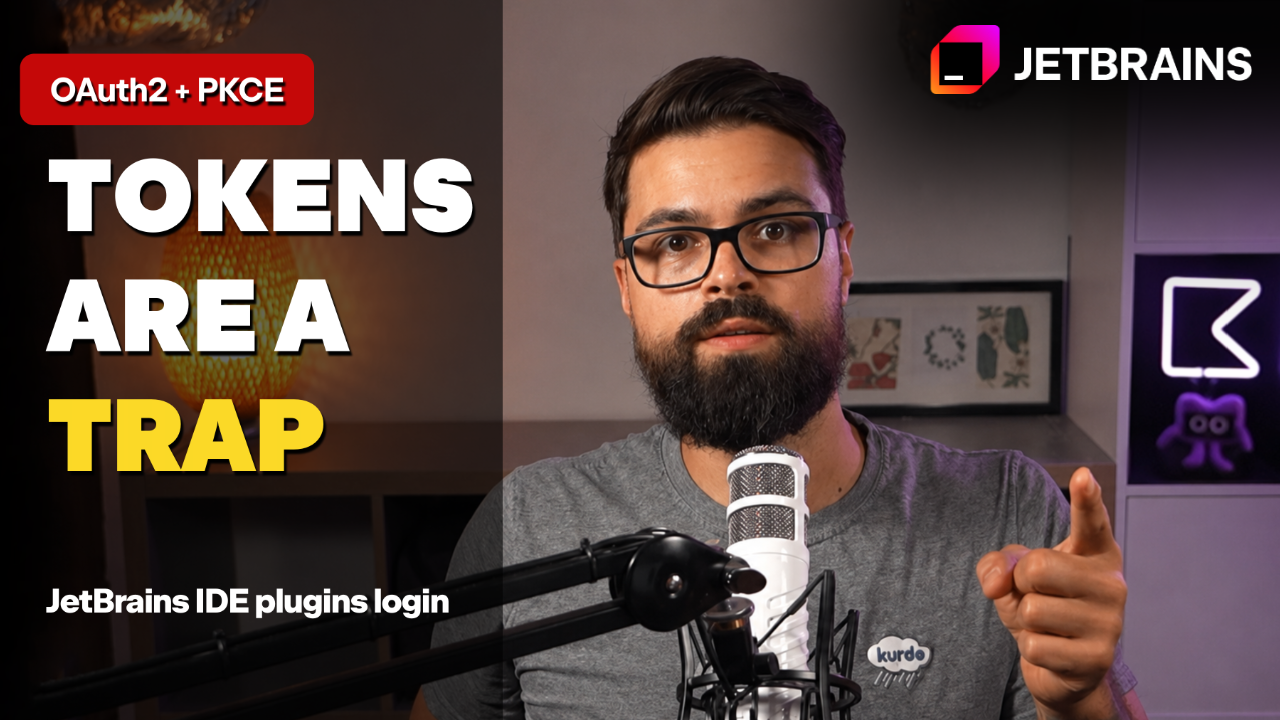
On the development front, JetBrains is enhancing its IDEs with OAuth2 login features, making authentication seamless for plugin developers. This is a step towards better security practices in plugin management.
MiniMax Challenges AI Rivals With M3
MiniMax has launched its M3 coding model, claiming to outperform competitors while withholding full open-source commitment. This highlights a growing divide in the AI landscape regarding transparency and accessibility.
Volkswagen API Shake-Up Triggers EU Data Act Questions
Volkswagen's recent API changes have disrupted open-source EV charging tools and raised questions about data ownership, interoperability, and compliance with the EU Data Act.
Anthropic's Project Glasswing Uncovers 10,000+ Critical Flaws
Project Glasswing reveals a staggering 10,000 vulnerabilities in open-source software, highlighting a critical patching bottleneck as IBM joins the initiative to enhance ecosystem security.
- Visual Studio Code 1.123 ReleasedThe new release brings chat session handoffs and improved integrated browser features for developers. — Visual Studio Code
- Flathub Bans AI SubmissionsFlathub's new policy bans AI-assisted submissions, stirring controversy in the open-source community. — Open Source For You
- Open Model Accelerates Robot TrainingNVIDIA's new multimodal foundation model aims to enhance robot training with advanced reasoning and simulation capabilities. — Open Source For You
- Bringing Goodnotes to the WebGoodnotes successfully ported its popular note-taking app to the web using Swift and WebAssembly. — Swift.org
- How Canonical Fixes Old BugsCanonical Support tackles a 12-year-old bug in Linux, showcasing their dedication to maintaining legacy systems. — Ubuntu
本期内容对你有帮助吗?
点一下就好,这将影响下一期。