 新兴科技· · 2 分钟
Space Innovations Take Center Stage.
Today, the tech world is buzzing with breakthroughs from space research to energy innovations. From NASA's space centrifuge to a new method for hydrogen production, it's a day packed with possibilities. Buckle up for the highlights!
Space Innovations Take Center Stage

NASA's retired centrifuge is getting a second life at Texas A&M, simulating lunar and Martian gravity. This facility will help researchers understand how different gravitational forces impact human physiology. It’s a game-changer for future space missions!
Meanwhile, the Artemis II crew is back on Earth, adjusting after their historic lunar flyby. Astronauts reported a busy week of medical and scientific evaluations, still processing the magnitude of their journey.
Sustainable Energy and Innovations

A groundbreaking method using iron and UV light to convert alcohol into hydrogen gas has emerged, promising a more sustainable approach to energy production. This could significantly reduce reliance on fossil fuels for hydrogen production.
In New Zealand, a comprehensive study shows that electrifying road transport could cut carbon emissions by three-quarters by 2050. This suggests a major shift towards cleaner energy sources is not just desirable, but essential.
Tech Meets Biology
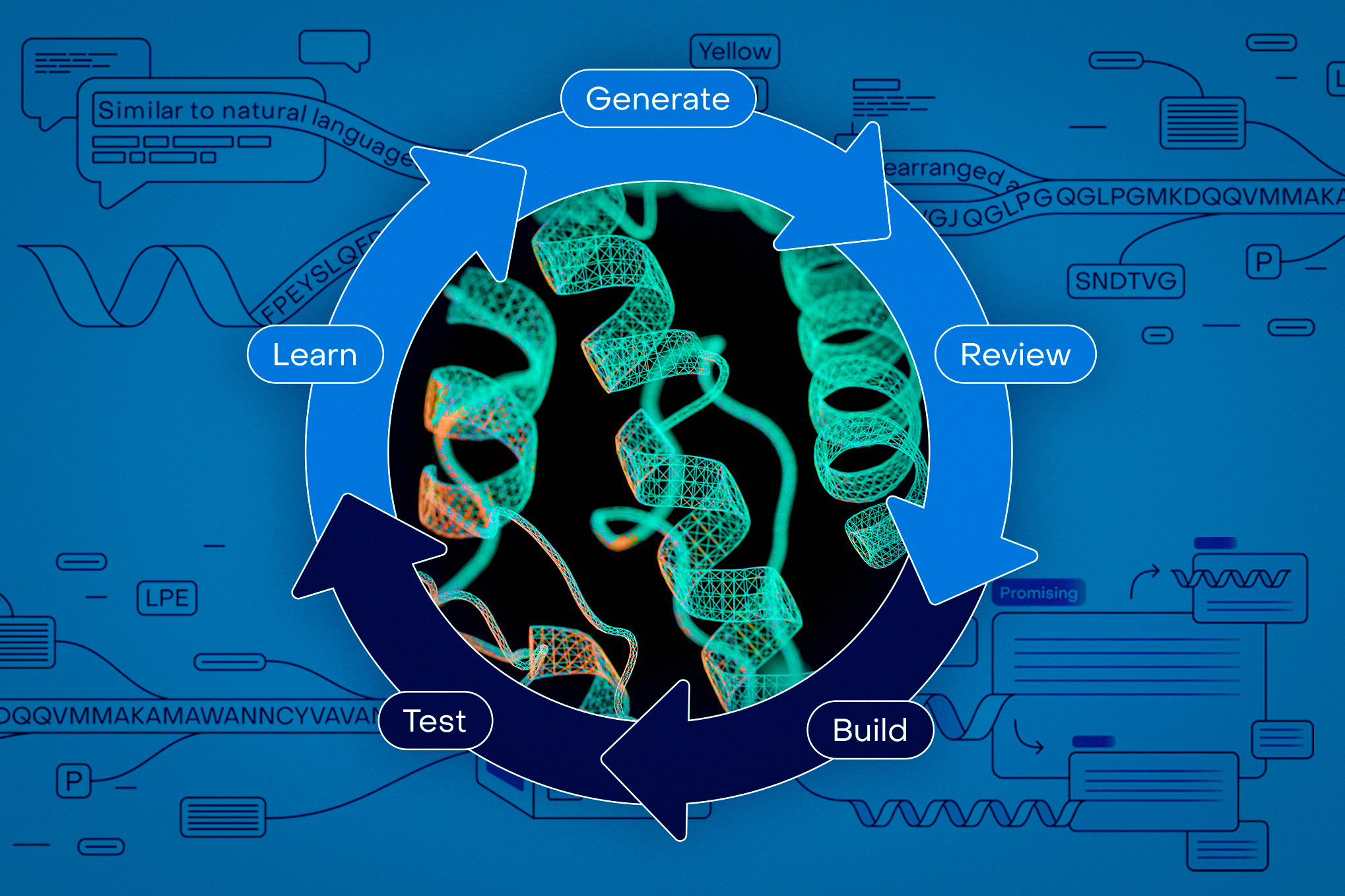
A new AI-driven platform for protein design is making waves among biologists, allowing easier access to cutting-edge tools. OpenProtein.AI could accelerate drug development and enhance our understanding of diseases.
Additionally, researchers are unpacking the mysteries of the TMEM16 scramblase protein, which could lead to better treatments for blood disorders and cancers. This discovery underscores the importance of cellular mechanics in medicine.
Cultural and Historical Insights

A medieval Japanese diary has shed light on a dangerous solar event, helping scientists improve predictions for future solar storms. This shows the importance of historical records in modern science.
In another fascinating discovery, researchers found evidence that humans returned to Britain 500 years earlier than previously thought, offering insights into post-ice age migrations.
Human space research gets a boost from retired NASA centrifuge
Texas A&M's new centrifuge facility will test human physiology under simulated lunar and Martian gravity. This is a major step for future space exploration.
Iron plus UV light turns alcohol into hydrogen with catalyst-like efficiency
Researchers have developed a sustainable method to produce hydrogen gas using iron and UV light, potentially transforming energy production.
- Catching a scramblase in the act could pave the way to improved blood disorder and cancer treatmentsNew insights into the TMEM16 scramblase protein could lead to better medical treatments. — Phys.org
- Surface-draped fiber captured plane's flight details at Nevada airfieldInnovative use of fiber optics showcased during aircraft maneuvers. — Phys.org
- Voluntarily disclosing incarceration may help job prospects, study showsA study indicates that transparency about past incarceration could improve job opportunities. — Phys.org
- A student-led experiment sets new limits in the search for axionsUndergraduate students have made significant strides in the search for dark matter. — Phys.org
- Four Times the Ion Drive Thrust With 20+KW Nuclear Reactor for 2028 NASA Mars MissionNASA's planned Mars mission will utilize a powerful nuclear reactor for ion propulsion. — Next Big Future
本期内容对你有帮助吗?
点一下就好,这将影响下一期。