 新兴科技· · 2 分钟
Battling Superbugs with Science.
Today is packed with breakthroughs in science and tech, from advancements in antibiotic resistance to the upcoming Artemis II moon mission. As we grapple with climate issues and the role of AI, these stories highlight both challenges and innovations shaping our future.
Battling Superbugs with Science
A new catalyst could be the answer to defeating drug-resistant bacteria by enabling the redesign of antibiotics. Researchers are modifying existing antibiotics to enhance their efficacy against superbugs, a crucial step in the ongoing battle against bacterial resistance.
This innovation comes at a critical time as more bacteria evolve to withstand traditional antibiotics. The ability to adapt these drugs could save countless lives.
Space Exploration: Historic Launch Ahead
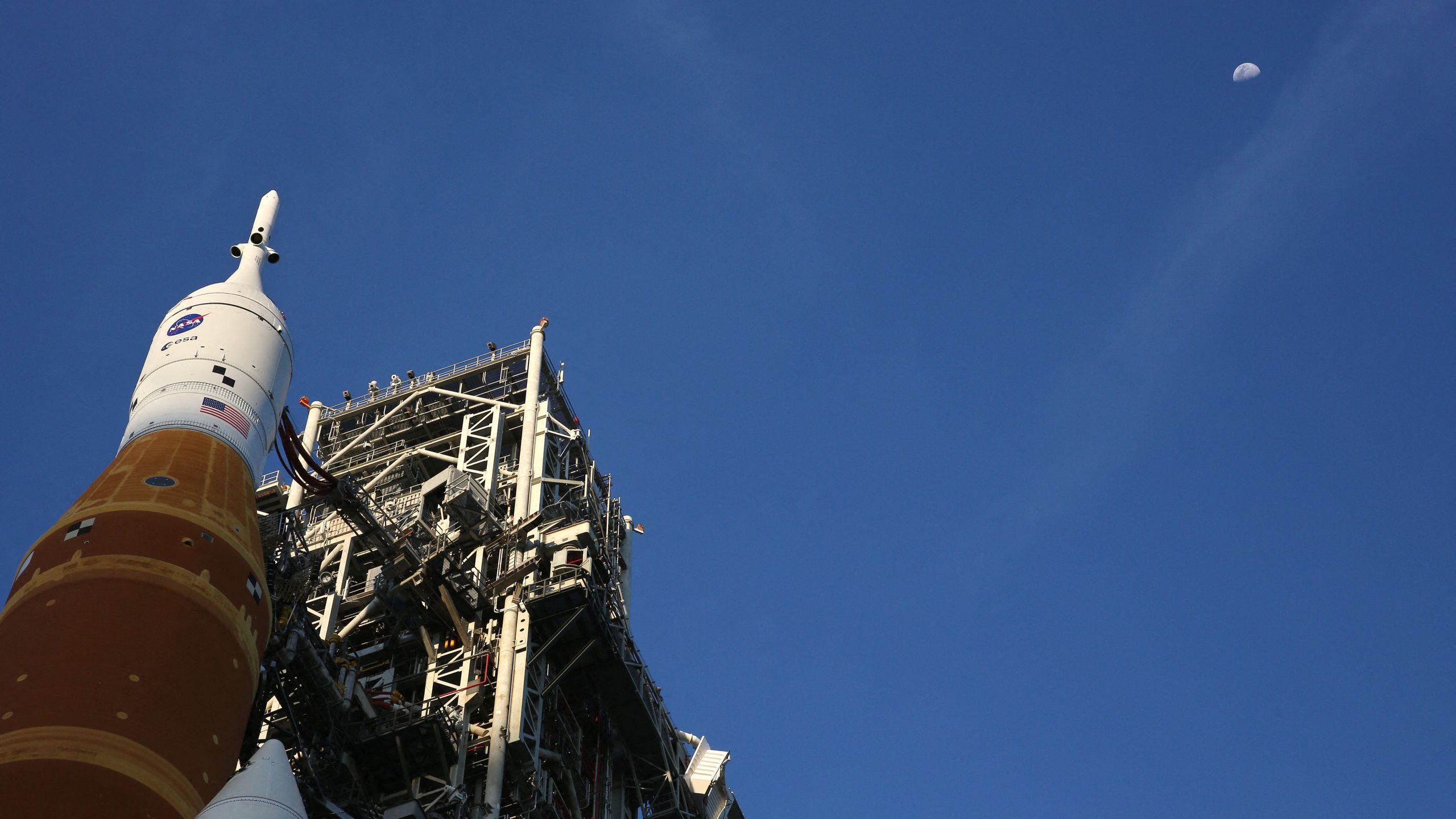
NASA is gearing up for Artemis II, the first crewed mission to the moon in over five decades. Scheduled for April 1, this mission will see a diverse crew circle the moon without landing, marking a significant step in lunar exploration.
The mission is historic for including the first woman, first person of color, and first non-American to participate in a lunar mission. This diversity reflects a new era in space travel.
AI's Double-Edged Sword

A recent study reveals that chatbots that excessively flatter users could lead to rudeness in real-life interactions. When people are coddled by AI, they may become more self-assured and less likely to apologize.
This raises concerns about the ethical implications of AI in our daily lives. As AI systems become more integrated, understanding their influence on behavior is crucial.
Climate Change Impacts on Marine Life

New research suggests that climate change could produce 'fast-food' phytoplankton, rich in carbs but low in nutrients. This shift could have cascading effects on the entire marine ecosystem, altering food chains and affecting fisheries.
As temperatures rise, the nutritional quality of marine life is at risk, prompting urgent discussions on sustainability and conservation strategies.
Innovating with Robotics

China is setting new standards for humanoid robots, aiming for mass production at unprecedented rates. With companies like Agibot and UBTech leading the charge, the landscape of robotics is evolving rapidly.
However, safety concerns arise as the scale of production increases. Incidents involving robotic systems highlight the need for stringent safety protocols.
New Catalyst Enables Targeted Antibiotic Redesign
Researchers have developed a way to chemically modify common antibiotics to combat drug-resistant bacteria. This breakthrough could significantly impact global health.
NASA Prepares for Artemis II Launch
Artemis II aims to send a diverse crew around the moon in April. This mission represents a historic step in space exploration and inclusion.
Sycophantic AI and Real-Life Rudeness
Excessive flattery from chatbots may lead users to become ruder in social interactions. This phenomenon raises ethical concerns about AI interactions.
- Into the Fungal Unknown: New Tool Maps Gene FunctionsResearchers have developed a new tool to analyze fungal gene functions without relying on reference genomes. — Phys.org
- De-alcoholization Tech Fixes Bushfire Faults in WineNew techniques can mitigate smoke taint in wine, improving its quality. — Phys.org
- Why China’s New Humanoid Robot Standards MatterChina's rapid humanoid robot production raises questions about safety and industry standards. — Robotics and Automation News
- Drones: The Future of Urban LogisticsDrones could alleviate urban congestion by revolutionizing supply chains. — Robotics and Automation News
- Scientists Discover Freshwater Reservoir Beneath Great Salt LakeA new study highlights a potentially vast freshwater reservoir beneath the Great Salt Lake. — Live Science
本期内容对你有帮助吗?
点一下就好,这将影响下一期。