 新兴科技· · 2 分钟
Artemis 2: A New Lunar Era.
Today’s tech news is buzzing with breakthroughs in space exploration, environmental research, and cutting-edge robotics. With the Artemis 2 mission just around the corner and innovative recycling methods on the rise, it's a pivotal moment for both science and sustainability.
Artemis 2: A New Lunar Era
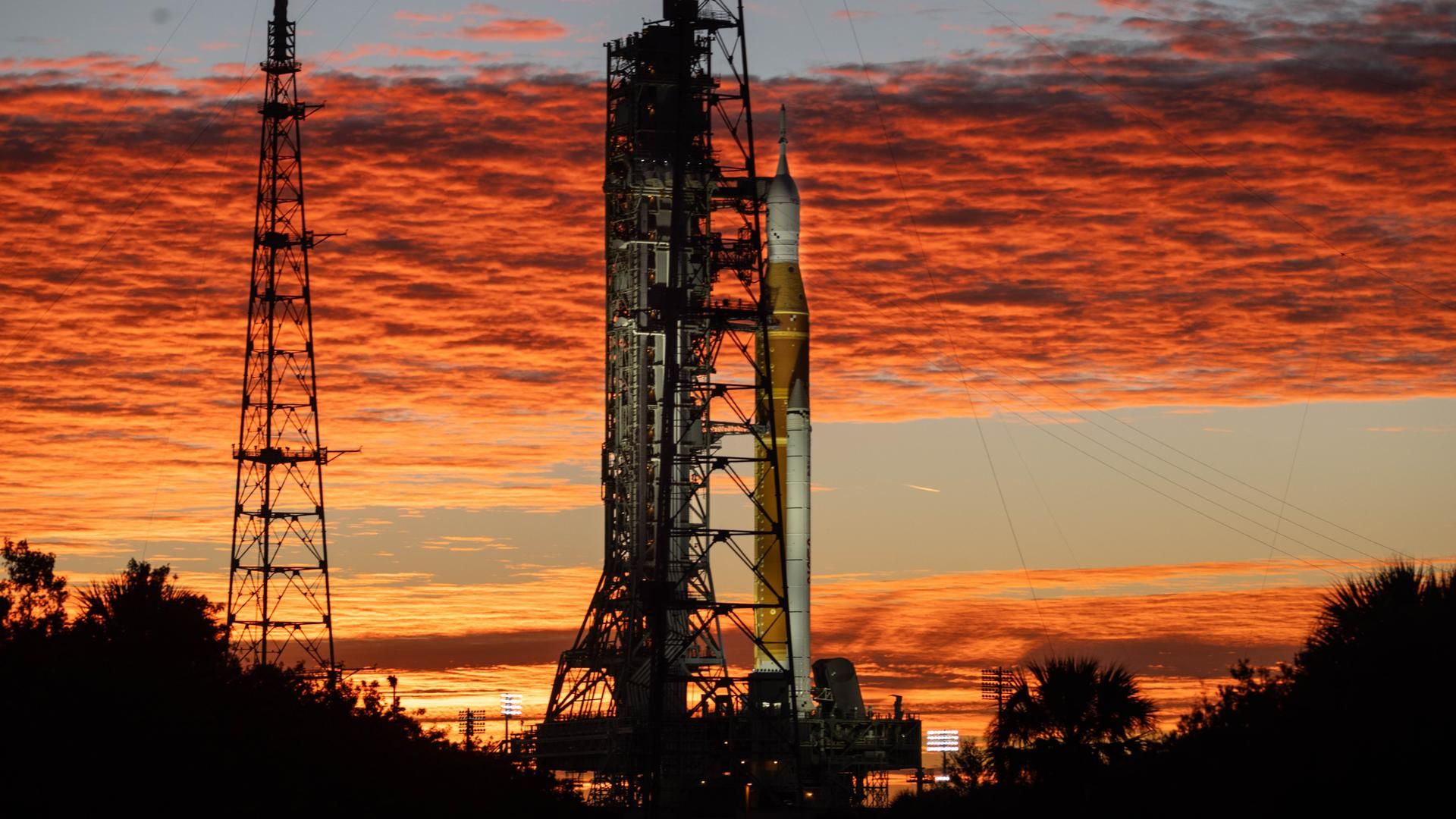
NASA's Artemis 2 mission is gearing up to send four astronauts around the moon on April 1, marking humanity's return to lunar exploration after decades. This mission is not just a nostalgic trip; it's paving the way for future lunar bases and deeper space exploration.
The astronauts are all set, and excitement is building. With the Artemis program, NASA aims to establish a sustainable human presence on the moon, which could be crucial for future missions to Mars and beyond.
Innovative Recycling Solutions
Japan has made waves with a breakthrough in recycling dirty diapers, transforming waste into usable materials. This could drastically reduce the environmental impact of diaper disposal, which is a major issue in many countries.
Similarly, researchers in Kentucky are turning bourbon waste into energy-storing supercapacitors, showcasing how innovation can tackle waste management while creating new technologies.
The Rise of Robotics

A wristband that tracks hand movements has been developed, allowing wearers to control robotic hands seamlessly. This technology could revolutionize assistive devices for disabled individuals, making everyday tasks more manageable.
In another robotic leap, Amazon's acquisition of Fauna Robotics points to the future of humanoid robots in our daily lives. Expect to see more friendly robots in social spaces, blending technology with everyday interactions.
Environmental Insights
Recent studies reveal concerning trends in wildlife and climate. Low snowpack levels are linked to severe wildfires, reshaping how we prepare for spring and summer.
Additionally, researchers are exploring the collapsing fish migrations worldwide, highlighting the ecological impacts on communities relying on these species. It's a critical reminder of our interconnected ecosystems and the urgent need for conservation.
NASA gearing up to launch Artemis 2 astronauts around the moon on April 1
NASA is on track for the Artemis 2 mission, sending astronauts on a lunar flyby. This marks the first crewed mission beyond low Earth orbit since Apollo 17 in 1972.
Dirty diapers born again in Japan recycling breakthrough
Japan has unveiled a new recycling process for dirty diapers, reducing waste and environmental impact. This initiative could set a precedent for waste management globally.
- Low snow water content tied to higher wildfire burn severity, analysis findsResearch links declining snowpack to more severe wildfires, raising concerns for the upcoming season. — Phys.org
- The polar bear 'umbrella': How protecting one species saves manyUsing polar bears as an 'umbrella species' can help protect the biodiversity of the Arctic. — Phys.org
- First microlasers capable of detecting individual molecules and ions could one day aid diagnosisNew microlasers can detect individual molecules, potentially advancing medical diagnostics. — Phys.org
- Eight amino acids may explain salamanders' reduced cold sensitivityResearch identifies eight amino acids that may help salamanders adapt to colder climates. — Phys.org
- Kona Storms Flood OʻahuDestructive flash flooding from Kona storms hit several Hawaiian Islands this month. — NASA
- Combining algae and oyster shells for biodiesel born in the bayouResearchers developed a cost-effective method to produce biodiesel from local resources in Louisiana. — Phys.org
- Global study identifies urgent blue carbon priorities in the fight against climate changeAn international study highlights critical questions for advancing blue carbon conservation. — Phys.org
本期内容对你有帮助吗?
点一下就好,这将影响下一期。