 设计/UX· · 3 分钟
Apple's Bold Moves and Design Controversies.
This week in design and technology, Apple has taken center stage with a slew of new product announcements, including the iPhone 17e and the latest MacBook models. Meanwhile, discussions around design ethics and the implications of AI in creative fields are heating up, as designers navigate the challenges of maintaining authenticity in an increasingly automated world. As we bid farewell to legacy platforms like Flash, the industry is reflecting on its evolution and future direction, hinting at a more sustainable and user-centric approach to design and tech.
Apple's Bold Moves and Design Controversies
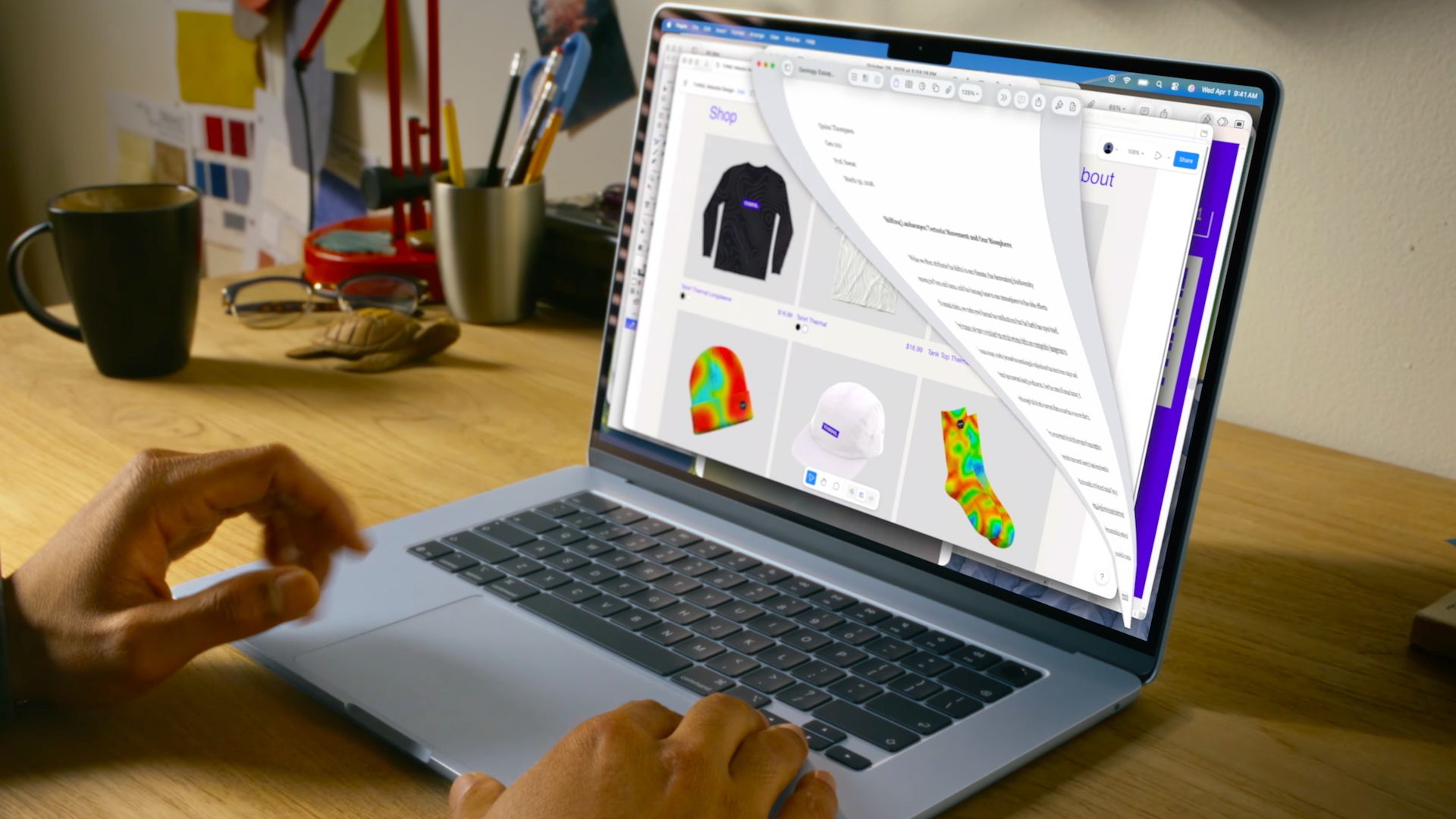
Apple's recent March event was nothing short of a spectacle, showcasing new devices that promise to cater to both budget-conscious consumers and creative professionals. The introduction of the iPhone 17e marks a significant step towards affordability for a brand often criticized for its premium pricing. While the excitement over this new model is palpable, the company's decision to recycle wallpapers across new products has sparked a wave of criticism among design aficionados, who expect innovation even in the most mundane aspects of product launches.
Moreover, the unveiling of the MacBook Air and Pro models, now equipped with M5 chips, positions Apple as a competitive player in the creative market, challenging the status quo. However, as the tech giant continues to juggle aesthetics with functionality, the design community is left pondering whether these developments truly reflect a commitment to creativity or simply a strategy to maintain market dominance.
The Ethics of Design: AI and Its Discontents

As AI technologies become more entrenched in the design process, the debate surrounding their ethical implications is intensifying. CorelDRAW's latest update, which introduces AI tools for image generation, is a prime example of this trend. While these features promise to streamline the creative process, many designers are voicing concerns about authenticity and the potential loss of the human touch in artistry. The challenge lies in integrating AI in a way that enhances creativity rather than diminishes it.
Similarly, Monotype's new AI-powered typeface search tool aims to revolutionize how designers find fonts, but it raises questions about the role of human curation in creative selection. As the industry grapples with these advancements, designers must navigate the fine line between embracing innovation and preserving the essence of their craft.
Navigating New Frontiers in Design and UX
The design landscape is rapidly evolving, as evidenced by the discussions surrounding the relevance of traditional practices in today's digital environment. Articles highlight the importance of strategic advisory roles in design, advocating for increased influence within organizations that often overlook the value of designers. This is particularly relevant as many companies struggle to integrate design thinking into their business models, risking a disconnect between user needs and product offerings.
Additionally, the farewell to Flash represents a broader shift towards more sustainable and adaptable design practices. As we move on from legacy systems, there's an opportunity for designers to embrace more flexible frameworks that prioritize user experience and accessibility. This transition not only aligns with contemporary values but also sets the stage for future innovations in design methodologies.
Apple's New Product Lineup: A Game Changer for Creatives?
The latest announcements from Apple, including the iPhone 17e and new MacBook models, signal a strategic shift towards affordability and performance. With these launches, Apple aims to appeal to a broader audience while maintaining its status as a leader in the creative space. However, the persistence of recycled design elements raises questions about the company's commitment to innovation and user engagement.
The Role of AI in Design: Boon or Bane?
CorelDRAW's integration of AI image tools has sparked a debate within the design community about the future of creativity. While these advancements promise to enhance productivity, they also challenge the foundational principles of design. As AI continues to evolve, designers must critically assess its impact on their work and the authenticity of their creations.
- A farewell to FlashReflecting on the end of an era as Flash departs from the digital landscape. — UX Design
- How Monotype turns selling fonts into daylight robberyA critical look at the font industry and its pricing practices. — UX Design
- We need to talk about Apple's new iPad wallpapersApple's choice to reuse wallpapers in new product launches has disappointed design enthusiasts. — Creative Bloq
- Want people to pay for your stuff? Show the value like thisTips on effectively communicating value to customers in product design. — UX Design
- Huion Kamvas 22 (Gen 3) review: redefines what we can expect from a mid-range drawing displayA detailed review of Huion's latest drawing tablet, setting new benchmarks for the market. — Creative Bloq
- Can Apple actually do affordable?An exploration of Apple's pricing strategies and their implications for consumers. — Creative Bloq
- How music taught this artist to experiment in his digital paintingAn artist shares insights on how music influences his creative process. — Creative Bloq
本期内容对你有帮助吗?
点一下就好,这将影响下一期。