 云与DevOps· · 2 分钟
AI Evolves: OpenAI's Latest Moves.
Today’s tech landscape is buzzing with AI advancements and Kubernetes updates. OpenAI's GPT-6 Astra rollout faced hiccups, while Kubernetes v1.37 has introduced a significant beta feature. Understanding these changes is crucial as they shape our cloud and AI future.
AI Evolves: OpenAI's Latest Moves

OpenAI launched GPT-6 Astra, but not without a messy rollout. They faced backlash as developers experienced delays accessing the new features. Meanwhile, OpenAI's Astra system scored impressively on ARC-AGI-3, raising questions about what's next for developer access.
Kubernetes Gets a Boost
Kubernetes v1.37 is leveling up with its rootless mode now in beta. This feature allows all node components to run as non-root users, adding a new layer of security. As Kubernetes becomes the backbone for AI workloads, this upgrade couldn't come at a better time.
AI Infrastructure: A Complex Challenge
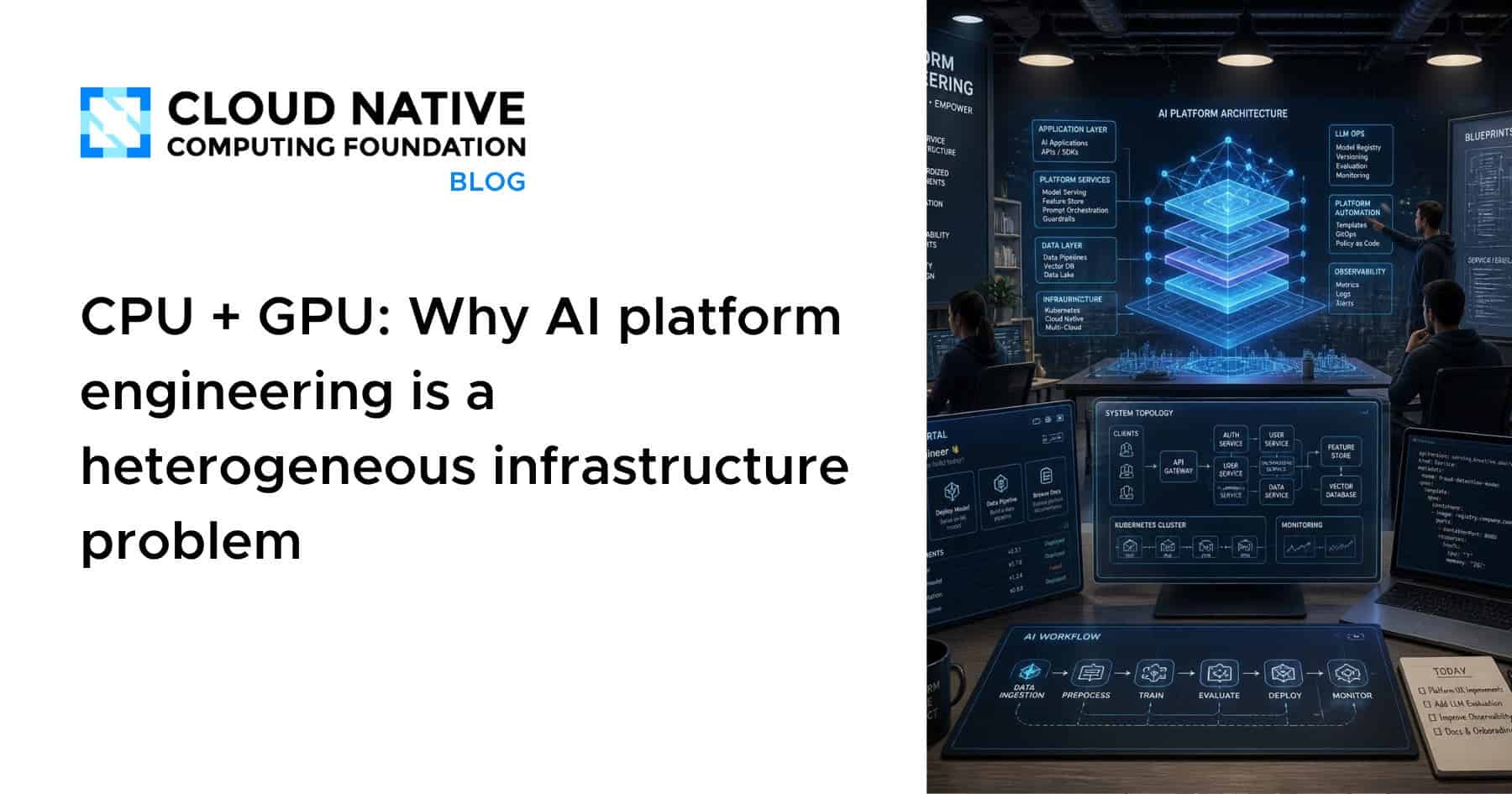
Navigating AI platform engineering is no walk in the park. It's not just about GPUs; CPUs, memory, and networking play vital roles too. To optimize performance, platform teams need to focus on the entire workload journey, from data preparation to application serving.
Trust in AI: The RAG Dilemma

Building trust in AI systems starts with solid evidence. The conversation around agentic RAG (Retrieval-Augmented Generation) emphasizes transparency and reliability. Developers need to ensure their AI models are trustworthy to gain user confidence.
Security in AI: New Challenges

Microsoft's prompt injection detector unexpectedly caught a phishing campaign. This highlights the importance of robust security measures in AI. As AI tools become more prevalent, ensuring their integrity is paramount for safety.
Kubernetes v1.37: Rootless Mode Goes Beta
Kubernetes v1.37 promotes rootless mode to beta, allowing all node components to run without root privileges. This enhances security, addressing historical vulnerabilities that could compromise host systems.
OpenAI's GPT-6 Astra Faces Rollout Issues
OpenAI's launch of GPT-6 Astra encountered delays, frustrating many developers. The anticipation around its capabilities continues as users await smoother access.
AI Platform Engineering: A Heterogeneous Challenge
AI platform engineering requires managing diverse workloads involving CPU and GPU resources. A holistic approach is crucial to optimize performance across all stages of data processing and model serving.
- AI Agent Evaluations Are Part of the ProductEvaluating AI agents is now integral to product offerings, emphasizing the need for quality assurance. — The New Stack
- Kubernetes Isn’t New, But AI Makes It Scary AgainKubernetes feels daunting again as AI demands new operational standards and practices. — CNCF Blog
- Building Trust in Agentic RAG Starts with EvidenceTrust in AI systems hinges on evidence-based practices, crucial for user acceptance. — The New Stack
- Why Coder and SpaceXAI Want to Give Developers Nice ThingsCoder and SpaceXAI aim to enhance developer experiences by addressing token spending concerns. — The New Stack
- Microsoft Built a Prompt Injection DetectorMicrosoft's AI tools are evolving, catching phishing attempts while improving security. — The New Stack
本期内容对你有帮助吗?
点一下就好,这将影响下一期。