 AI· · 2 分钟
AI in Public Health.
Today’s AI and Machine Learning news highlights innovations across various sectors, from healthcare to advertising. We’re seeing a push for responsible AI with stronger frameworks and tools designed to enhance usability. These developments are crucial as AI continues to infiltrate daily life and industry.
AI in Public Health
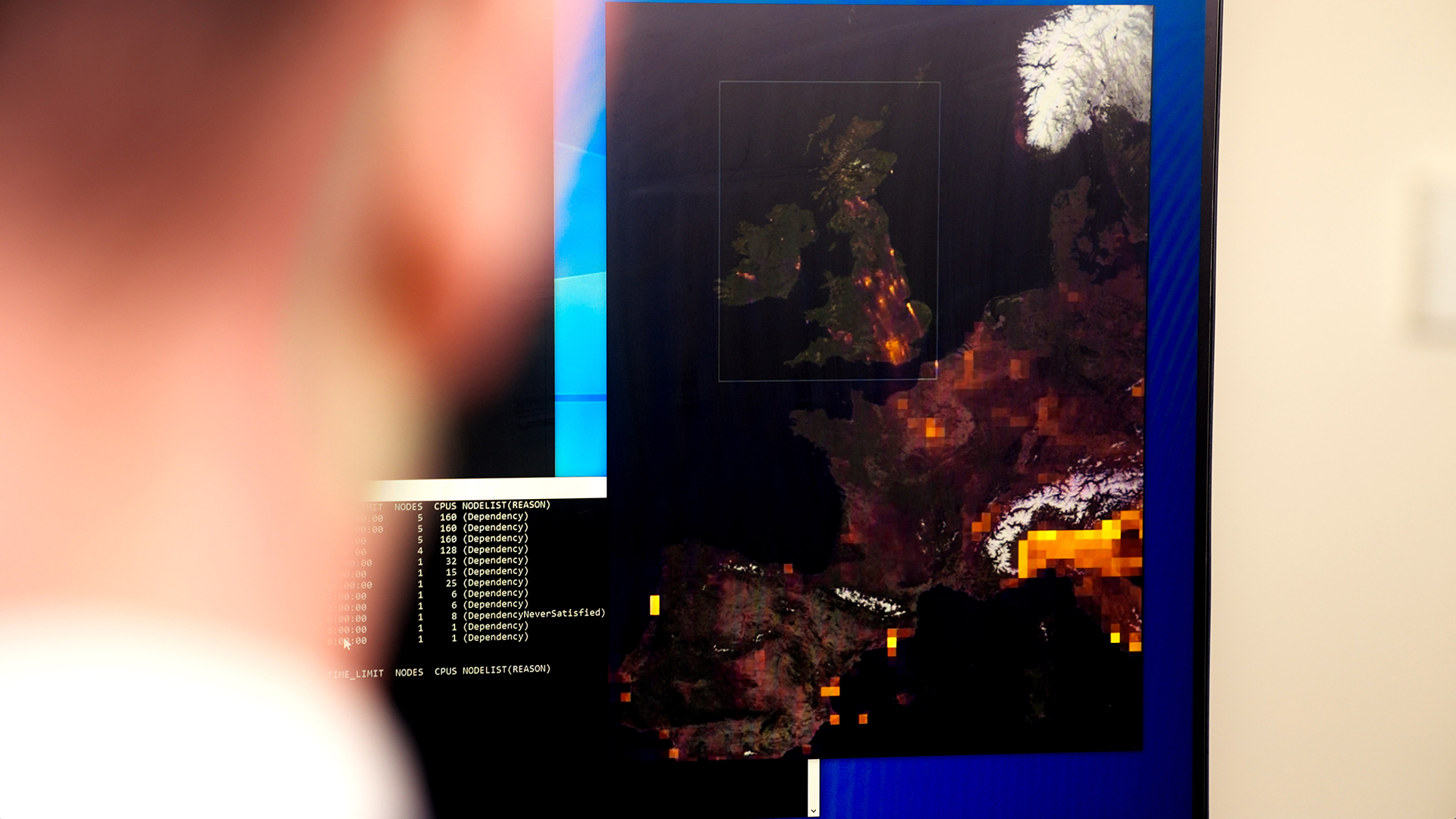
The University of Manchester is leveraging NVIDIA's Earth-2 to forecast air pollution in the UK. This model aims to provide timely predictions to combat the public health crisis, which claimed 30,000 lives in the last year alone.
In a similar vein, OpenAI is working to bridge the gap between older adults and AI. Their workshops aim to empower seniors with practical skills using ChatGPT, making technology more accessible and beneficial.
Advancements in AI Models

Google's Gemini 3.8 Live promises smarter voice interactions, handling complex tasks while maintaining natural dialogue flow. This is a significant step towards making AI more intuitive and user-friendly.
On the other side, DeepMind’s AlphaGenome Atlas is transforming biological predictions, making billions of data points available for research, showing how AI is shaping the future of science.
AI in Business and Advertising
OpenAI is reimagining advertising with AI, introducing tools that integrate seamlessly with platforms like HubSpot and Shopify. This shift could redefine marketing strategies by making them more efficient and targeted.
Additionally, Google's AI & Economy ATLAS is shedding light on how different industries are integrating AI, with India leading in creative AI applications. This data could guide businesses on AI investment and usage.
Challenges in AI Development

Silent broadcasting in models is causing significant issues for practitioners, leading to wasted resources and time. Identifying these hidden bugs is critical for maintaining model integrity.
Moreover, understanding how many labeled examples are needed for effective text classification is becoming essential. A recent study shows that classical methods can outperform modern zero-shot classification under the right circumstances.
NVIDIA Vera Rubin NVL72 Debuts with Leading Performance in MLPerf Inference
NVIDIA's new Vera Rubin NVL72 shows impressive results in MLPerf Inference v6.1, achieving 3.7x better throughput than its predecessor. This efficiency is crucial for scaling AI applications economically.
The KV Cache Tax: Why Inference Servers Run Out of Memory
A significant issue in AI inference arises when the key-value cache consumes more memory than expected, leading to performance bottlenecks. Understanding this tax is essential for optimizing resource allocation.
- The N Squared Pizza ProblemA deep dive into the misconceptions surrounding area calculations in 3D scans and how it impacts computational efficiency. — Towards Data Science
- Reimagining Advertising with AIOpenAI showcases new tools for marketers, aiming to enhance advertising experiences. — OpenAI
- Optimizing Agent System Prompts with Amazon Bedrock AgentCoreAmazon Bedrock introduces tools to optimize agent prompts, improving AI agent performance. — Amazon Web Services
- Estimators in Scikit-LLM: A KDnuggets Cheat SheetA guide for integrating language models into scikit-learn workflows for easier model management. — KDnuggets
- How to Build Effective Evals for AI AgentsTips for designing effective evaluations for AI agents to track performance changes. — KDnuggets
本期内容对你有帮助吗?
点一下就好,这将影响下一期。