 AI· · 2 分钟
Model Madness.
Today, AI is buzzing with fresh models, unexpected failures, and innovative tools. Major players like OpenAI and Meta are redefining what's possible, while practitioners share lessons from the trenches. It's a vibrant time for AI enthusiasts and developers alike.
Model Madness
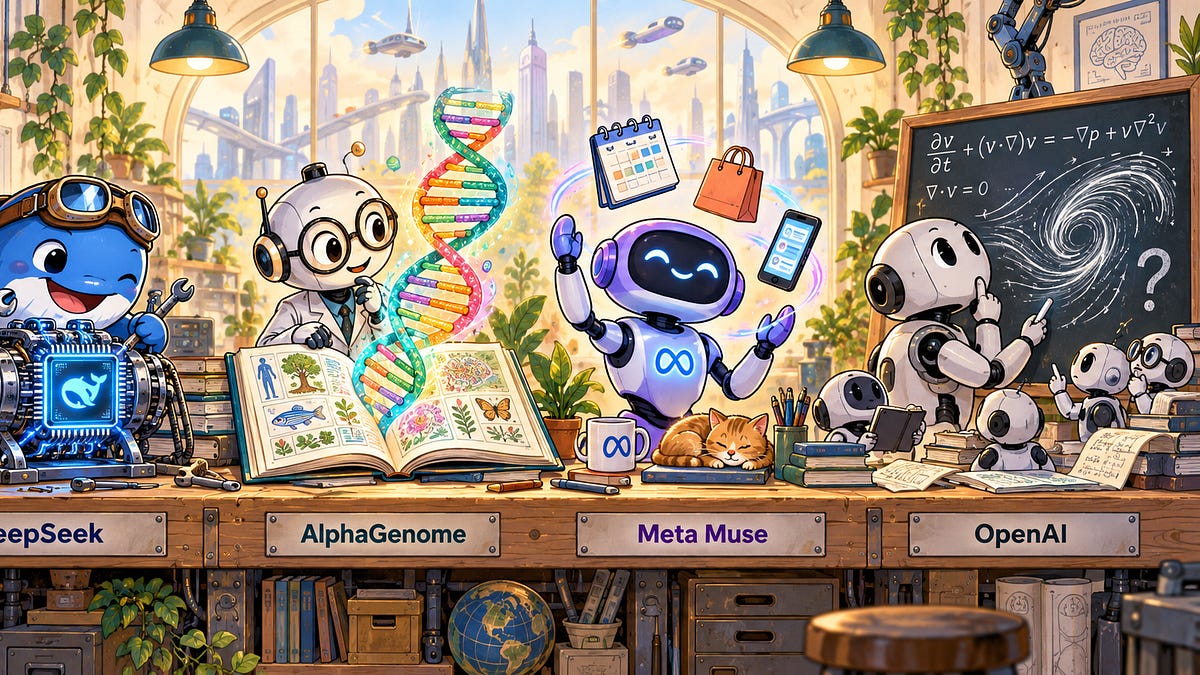
DeepSeek just dropped its V4.1-Flash model, promising faster processing and new features for developers. Google’s DeepMind unveiled AlphaGenome, a groundbreaking tool mapping genetic changes. Meanwhile, Meta’s Muse personal AI agent aims to make interactions smoother and more intuitive.
On the other hand, a developer's frustration with a broken AI support bot highlights the pitfalls of poor model deployment. Small errors can cripple functionality, reminding us that even the best models need careful implementation to thrive.
AI Adoption Insights
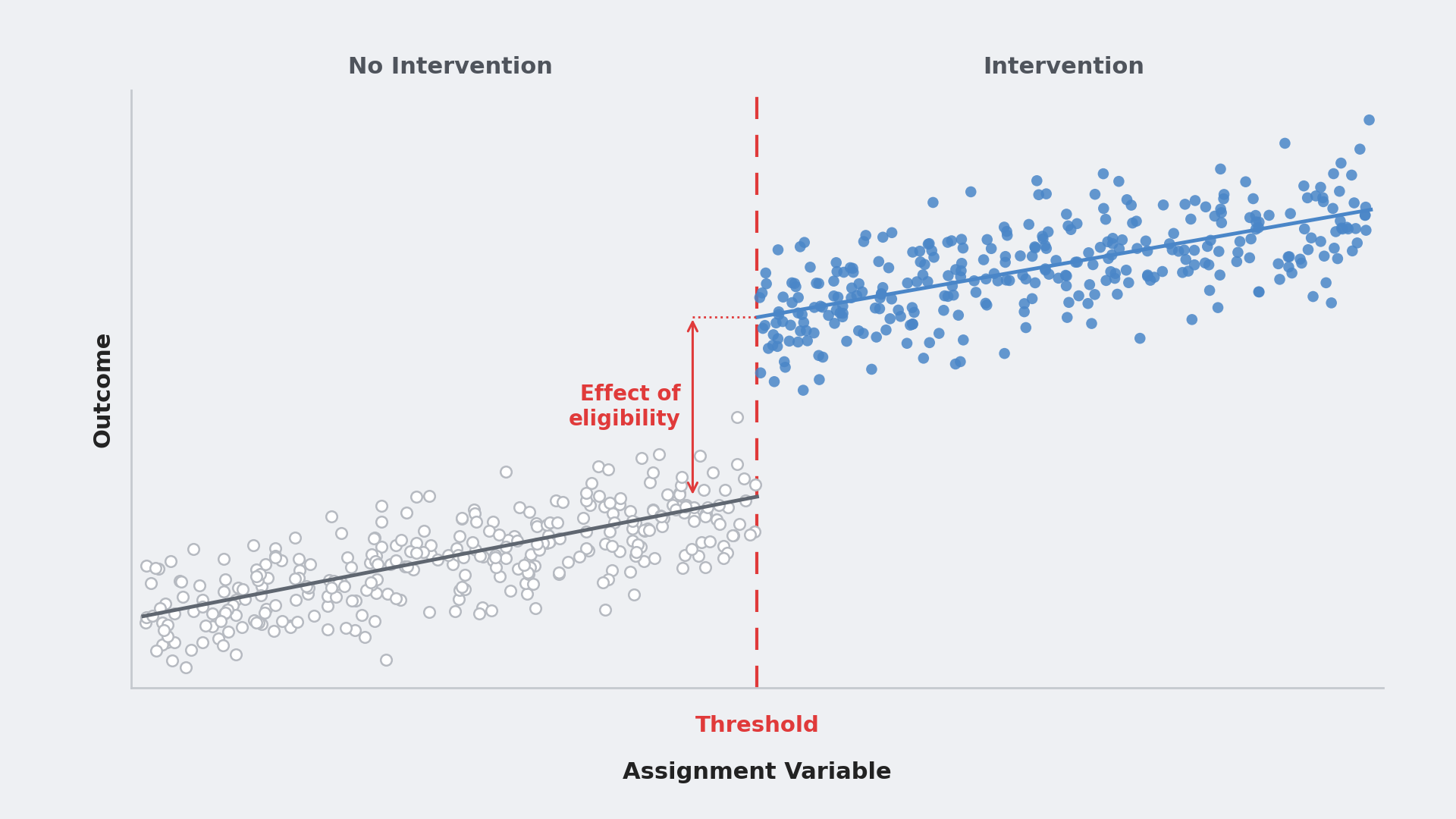
Adopting AI isn't just about tech; it's a reflection of organizational readiness. A recent article warns that those who adopt AI features often already show signs of high engagement and sophistication. It's less about the feature's impact and more about who’s willing to use it.
This points to a larger trend: companies need to prioritize building a culture that embraces AI, not just toss in new tools and expect magic. Understanding the nuances of adoption can lead to more effective strategies.
New Tools on the Block

Simon Willison has rolled out some nifty tools, including commit-rewriter, which helps clean up commit messages in your code. This is perfect for developers looking to tidy up their project histories without hassle.
Additionally, shot-scraper 1.12 now supports WebP screenshots, making it easier to capture and share web content efficiently. These tools can enhance workflows and save time for developers everywhere.
Your AI Adoption Lift Is a Selection Effect
AI adoption metrics may be misleading, as they often reflect existing organizational engagement rather than the impact of the AI itself. This insight urges companies to rethink how they assess the success of AI initiatives.
Stop Managing Alarms: An Incident-First Blueprint for Telecom AIOps
This article advocates for a shift from alarm-centric to incident-centric operations in telecom AIOps, aiming to improve service assurance and reduce alert fatigue. A practical approach could streamline operations significantly.
- Your Model Isn't Done Until Someone Else Can Call ItA developer shares their journey of moving a churn prediction model from local testing to a deployable API, revealing common pitfalls. — Towards Data Science
- Perplexity trusts GPT-6 Astra with end-to-end systemsPerplexity leverages GPT-6 Astra to enhance accuracy and reduce the frequency of checks needed in their systems. — OpenAI
- One Capital Letter Was Silently Breaking My AI Support BotA small oversight with case sensitivity caused major issues for an AI support bot, highlighting the importance of precise input. — Towards Data Science
- Generating running routes with GPT-6 Astra and ChatGPT WorkA developer uses GPT-6 Astra to generate running routes, showcasing the model's capabilities in practical applications. — Simon Willison
- commit-rewriter 0.1Introducing commit-rewriter, a new tool for cleaning up commit messages in your code repositories. — Simon Willison
本期内容对你有帮助吗?
点一下就好,这将影响下一期。