 AI· · 2 分钟
Innovations in Language Models.
Today's AI news is buzzing with new developments in language models, infrastructure, and innovative applications. From local models gaining traction to the quest for efficiency in AI factories, it's all about refining how we build and deploy AI. Keep an eye on these trends — they're shaping the future.
Innovations in Language Models
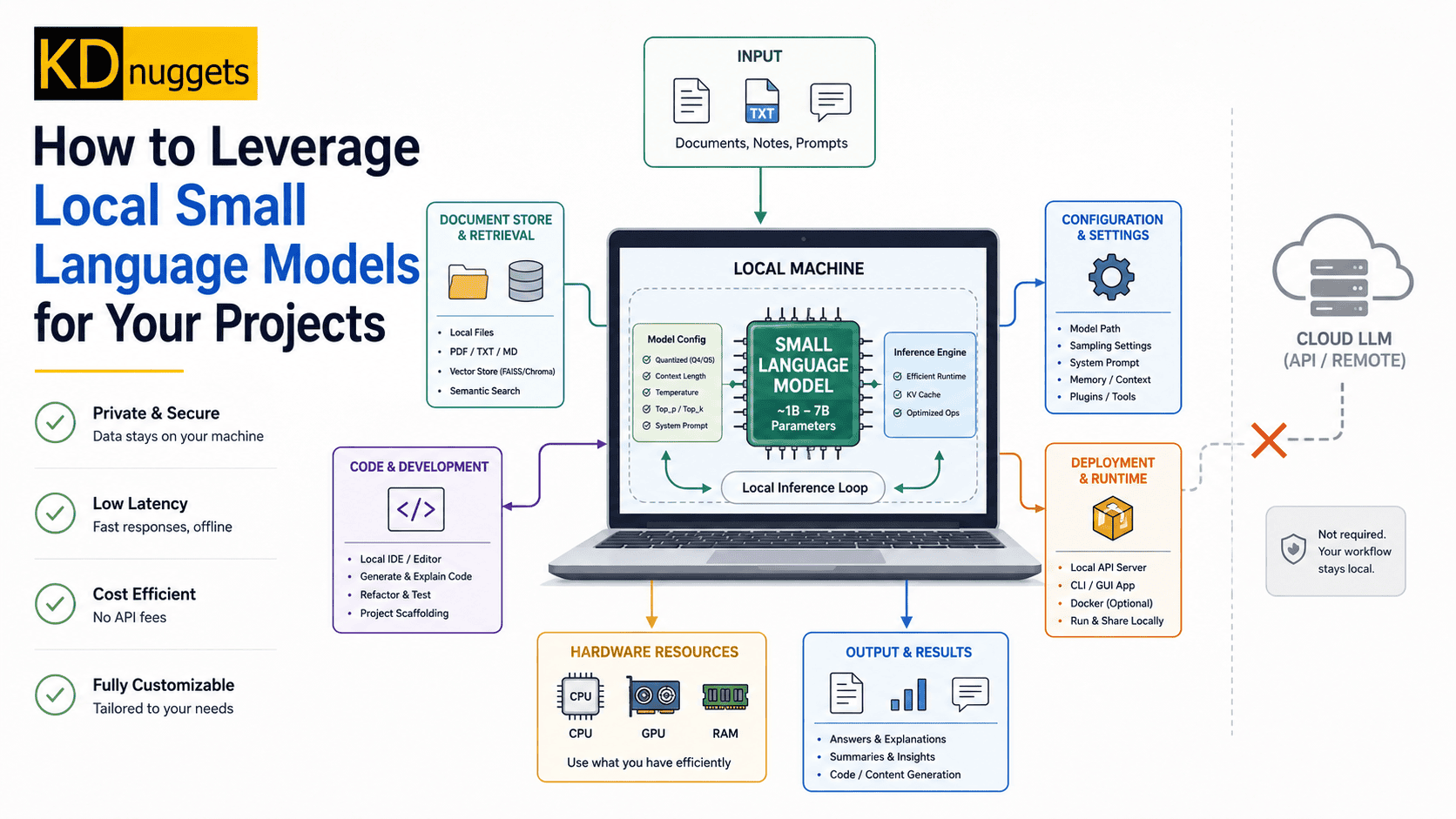
Local small language models are making waves. They offer faster, cheaper, and more privacy-preserving alternatives to cloud-based solutions. Developers can now run these models on consumer-grade hardware, unlocking new levels of control and efficiency.
On the flip side, major players like Anthropic are grappling with user adoption despite having advanced models. As reported, their latest offerings struggle against cheaper alternatives, raising questions about the sustainability of high-cost AI services.
Efficiency in AI Infrastructure

NVIDIA is setting new standards with the Vera Rubin NVL72, delivering up to 30x more work per watt for agentic AI workloads. This efficiency boost is crucial as AI systems demand more resources than ever before, especially for tasks that involve complex reasoning and long-context handling.
The introduction of speculative decoding on CPUs via DFlash is another breakthrough. It significantly speeds up token generation, making it easier to handle large language models in real-time applications.
AI in Practical Applications
Amazon is pushing boundaries with innovative AI applications. From a restaurant telephony AI host using Amazon Connect to an AI-powered knowledge management system, AWS is making AI more accessible for real-world scenarios.
These developments show how AI can streamline operations, reduce manual tasks, and enhance user experiences across various industries, from hospitality to enterprise knowledge management.
Anthropic's annualized revenue reached $65 billion in July, showing significant growth despite competitive pressures.
来源Can an LLM Forget the Right Things?
A detailed look at how LLMs can manage data efficiently when faced with high-speed inputs like live camera streams. This architecture can prevent VRAM overload and missed deadlines, optimizing performance under pressure.
Speculative Decoding on CPUs: Nearly 4x Faster Token Generation with DFlash
DFlash's speculative decoding offers a massive speed boost for token generation in language models. This advancement allows for more efficient AI workloads, crucial for real-time applications.
- Put Your Own Logic Inside the Codex Agentic LoopExplore how to customize Codex using hooks to enhance its problem-solving capabilities. — Towards Data Science
- 10 Positions for Enterprise RAG That Mainstream Tutorials Get WrongA manifesto on building enterprise RAG systems, challenging conventional wisdom. — Towards Data Science
- How to Leverage Local Small Language Models for Your ProjectsA practical guide for running compact language models on local hardware. — KDnuggets
- Building an End-to-End Data Science Project with Grok Build and Grok 4.6Learn how to use Grok Build for a streamlined data science workflow. — KDnuggets
- Democratizing Institutional Knowledge with AIA novel approach to managing institutional knowledge using AI-powered solutions. — AWS
- Agentic Resource Discovery (ARD): An Open SpecificationA look at how ARD helps streamline resource discovery for AI agents. — AWS
- Bug Detection Blind Spots in AI Coding HarnessesAn analysis of the types of bugs AI coding agents struggle to fix. — Towards Data Science
本期内容对你有帮助吗?
点一下就好,这将影响下一期。