 AI· · 2 分钟
AI Models Get a Multimodal Upgrade.
Today, AI is flexing its muscles across diverse domains, from sports predictions to advanced multimodal models. Innovations like Gemini 3.5 and Gemma 4 are reshaping how we think about interaction and integration in AI. As technologies evolve, the balance between usability and complexity remains a hot topic.
AI Models Get a Multimodal Upgrade
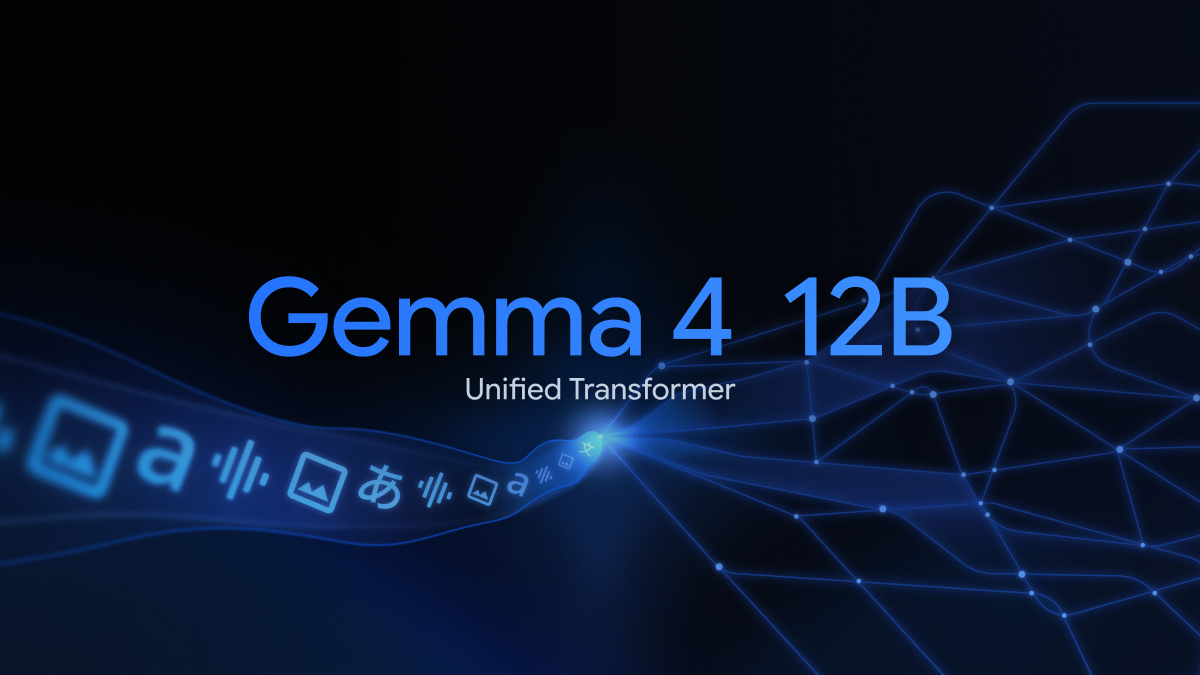
Gemma 4 is here, and it’s a game-changer. This unified, encoder-free model integrates multiple data types directly into its architecture. It aims to simplify deployment while enhancing performance, pushing the boundaries of what's possible in AI.
Meanwhile, Gemini 3.5 Live Translate is making waves with its real-time speech translation capabilities. Supporting over 70 languages, it’s all about smooth and natural conversations without awkward pauses. The tech is not just impressive; it’s practical for global communication.
Sports Meets Machine Learning

With the World Cup around the corner, researchers are leveraging machine learning to predict match outcomes. By analyzing 49,000 matches, they aim to develop models that can accurately forecast results. It’s a blend of sports passion and data science that could change how fans engage with the game.
The insights gathered will not only satisfy fan curiosity but also provide teams with strategic advantages. As prediction models evolve, the excitement around AI in sports grows.
AgentOps: A New Frontier for AI Monitoring
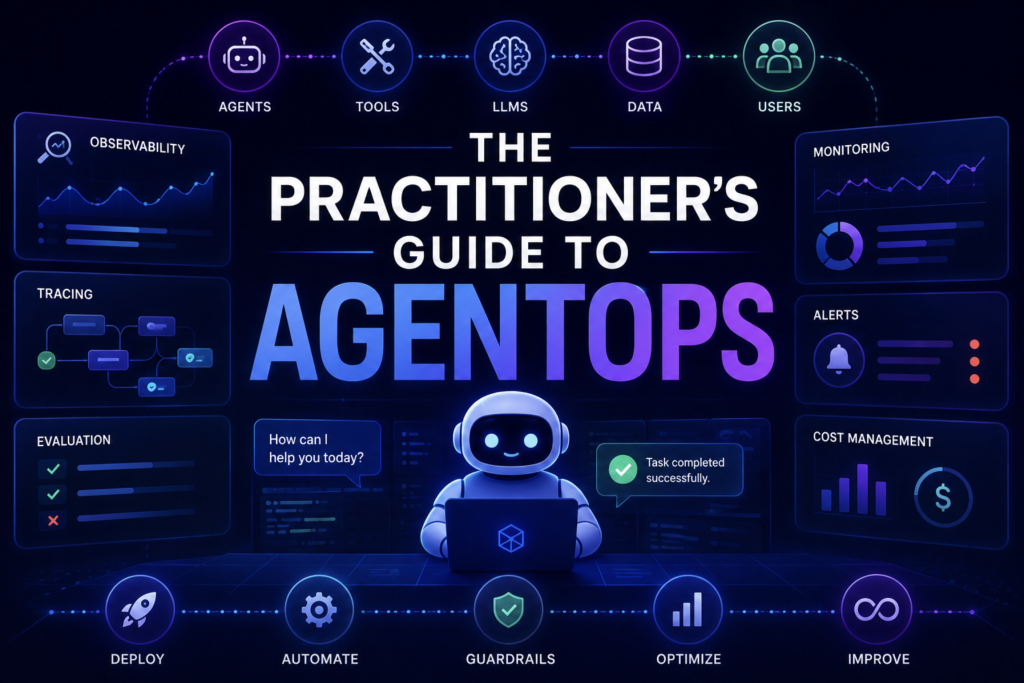
The rise of autonomous agents calls for a new approach to monitoring and observability. Enter AgentOps, a set of practices that help teams understand and optimize agent performance in real-time. This framework is already gaining traction as businesses look to improve efficiency and reduce errors in AI workflows.
As AI becomes more integrated into operations, the need for robust observability tools becomes critical. Companies are realizing the importance of not just deploying AI but also ensuring they operate effectively in varied environments.
AI and the Future of Robotics
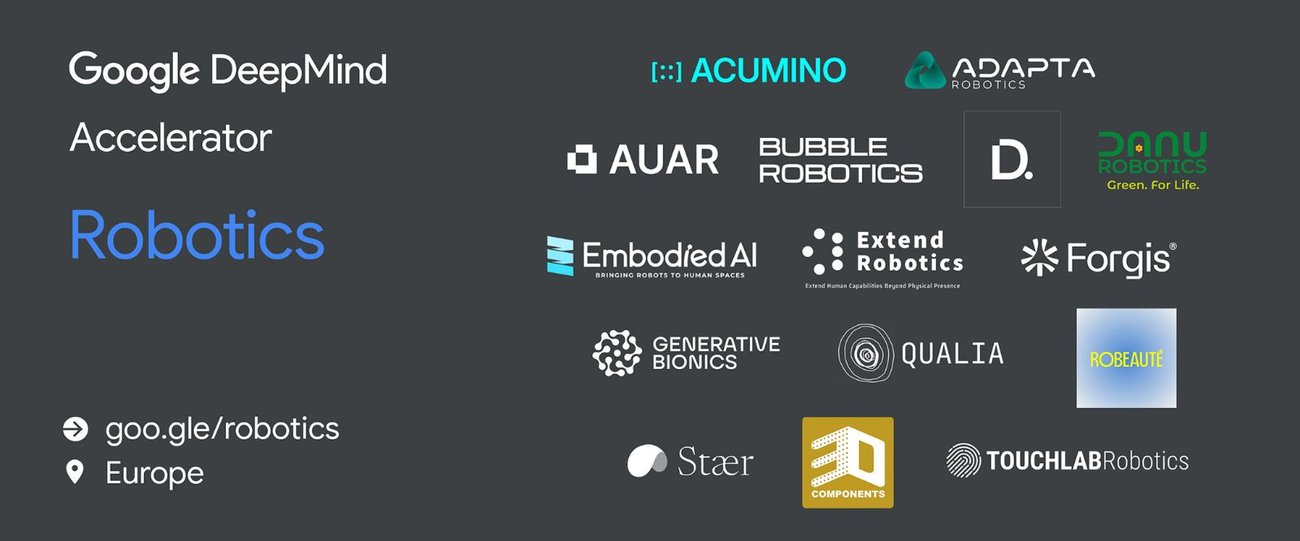
Google DeepMind is stepping up its game with a new accelerator program for robotics startups in Europe. This initiative provides mentorship and technical support aimed at integrating AI into core robotics products. It’s a strategic move to foster innovation in a rapidly evolving industry.
The focus on robotics highlights the increasing importance of AI in physical applications, from healthcare to manufacturing. As these technologies advance, they promise to tackle some of the most pressing challenges in our world.
Fluid, natural voice translation with Gemini 3.5 Live Translate
Gemini 3.5 introduces real-time speech-to-speech translation across 70+ languages. This model aims to make conversations more seamless and natural than ever before.
Powering the future of robotics in Europe
Google DeepMind's accelerator program supports robotics startups with mentorship and technical assistance, fostering AI integration into robotics.
- 10 Common RAG Mistakes We Keep Seeing in ProductionA rundown of the common pitfalls in production RAG systems and how to avoid them. — Towards Data Science
- The Hardware That Makes AI PossibleExploring the hardware advancements essential for the evolution of AI technologies. — Towards Data Science
- How to Keep Quantum Information Alive for Machine LearningA detailed look at the challenges and solutions for maintaining quantum information in ML. — Towards Data Science
- Why Do LLMs Corrupt Your Documents When You Delegate?An analysis of document corruption issues when using LLMs for delegated tasks. — KDnuggets
- 5 Must-Know Python Concepts for AI EngineersEssential Python concepts every AI engineer should grasp for robust system building. — KDnuggets
本期内容对你有帮助吗?
点一下就好,这将影响下一期。