 AI· · 2 分钟
The Cutting Edge of AI Models.
Today’s AI landscape is buzzing with advancements, from new governance frameworks to cutting-edge models redefining agentic capabilities. Innovations in emotional recognition, local model tweaking, and real-world applications are taking center stage. Buckle up for a deep dive into a transformative era in AI.
The Cutting Edge of AI Models
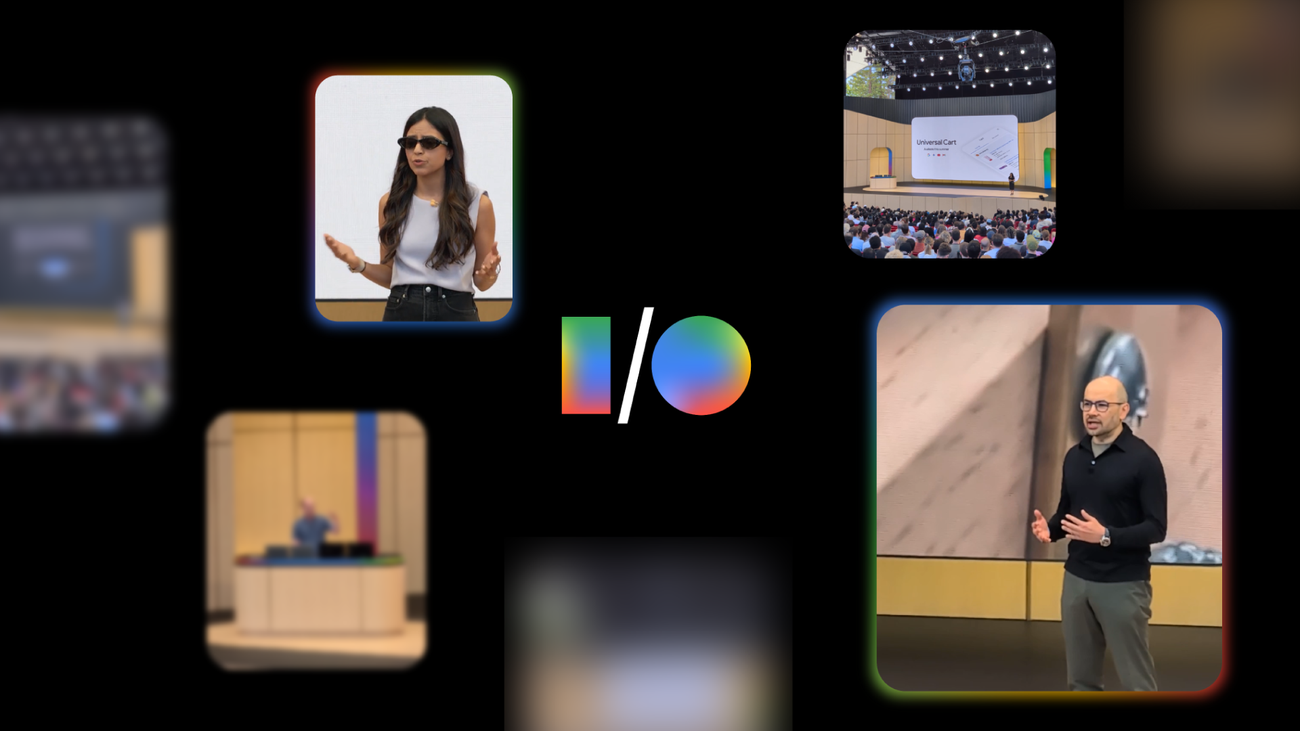
OpenAI’s new Frontier Governance Framework is setting the tone for responsible AI deployment, aligning with stringent regulations. Meanwhile, Google’s I/O 2026 showcased Gemini Omni, a model that can create videos from various inputs, pushing the boundaries of generative AI.
The world of emotion recognition is evolving too. EmoNet's findings highlight how past ideas are reshaping current models, emphasizing the need for nuanced dialogue understanding. As AI continues to scale, the focus is shifting from just size to the sophistication of interactions.
Local Models Going Mainstream

Local LLM agents are gaining traction, with infrastructure developments making them more practical for real-world applications. The new tool, Ollama, offers insights into fine-tuning local model parameters, ensuring they meet specific needs without sacrificing performance.
Building robust agents for specialized tasks, like RNA-seq analysis, requires a structured approach to data handling and workflow management. It’s not just about running the models; it’s about making them efficient and reliable in specialized contexts.
AI in Business Operations
The use of AI in optimizing business processes is on the rise. ORPilot addresses the common pitfalls in mathematical optimization, bridging the gap between theoretical models and real-world applications. This highlights the necessity for practical AI solutions that work in messy, unstructured environments.
On the enterprise front, tools like Amazon Quick and Snowflake Cortex AI are automating anti-money laundering workflows, slashing investigation times significantly. This integration showcases how AI can streamline operations, making complex processes more efficient.
AI’s Advent in Robotics
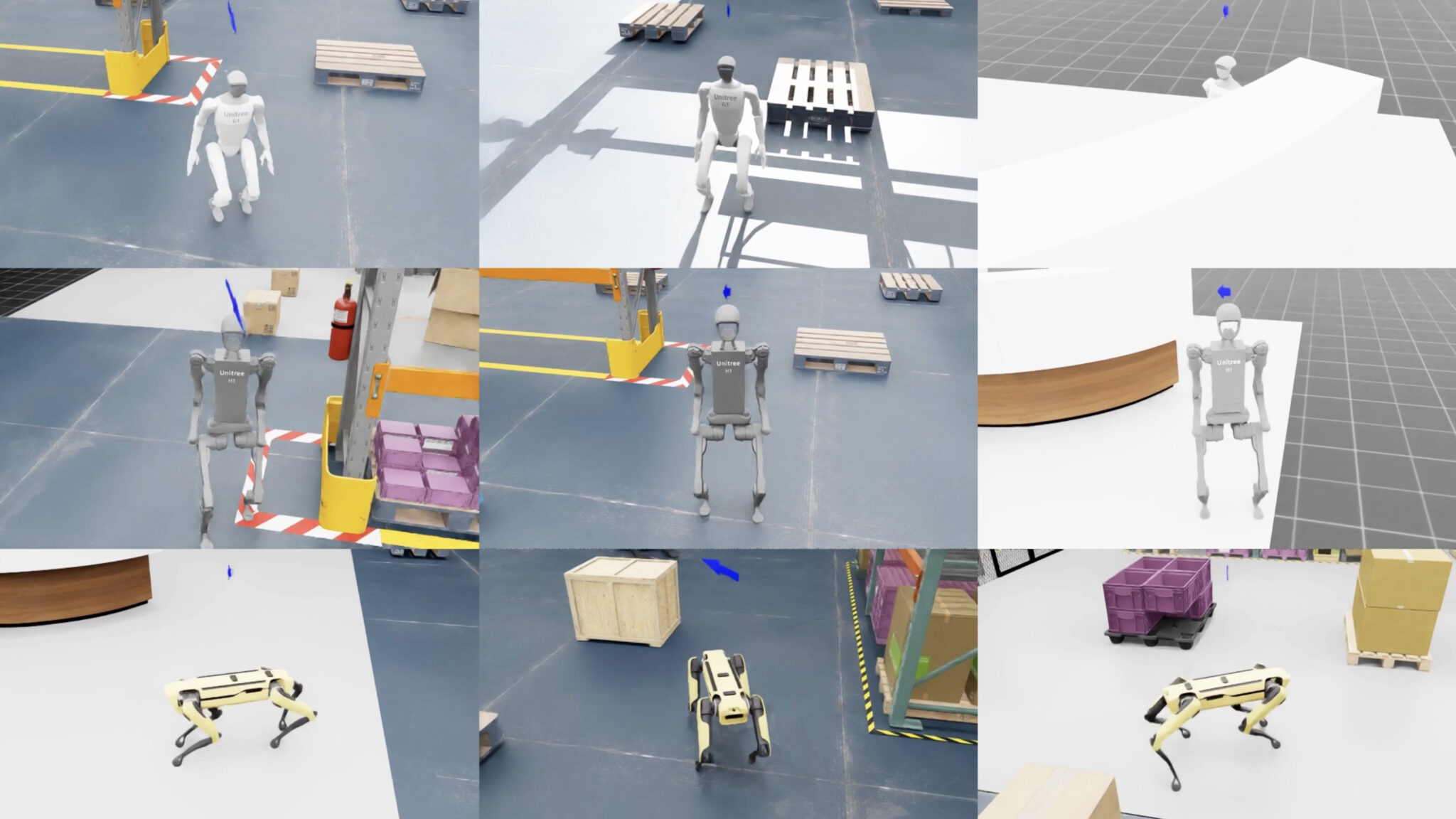
NVIDIA is leading the charge in robotics with advancements that transition from simulation to real-world applications. Their research emphasizes the importance of generalizable autonomy in unpredictable environments, pushing the limits of what robots can achieve in dynamic settings.
This shift from scripted automation to genuine embodied intelligence is crucial. It reflects a broader trend in AI, where adaptability and learning from real-world interactions become paramount for success.
Claude Opus 4.8 is Now Available on AWS
Anthropic's latest AI model, Claude Opus 4.8, is live on AWS. It enhances workflows in production, allowing for autonomous tasks and better tracking of ongoing operations.
NVIDIA Research Advances Robotics From Simulation to the Real World
NVIDIA's research highlights the shift in robotics towards real-world applications, showcasing significant breakthroughs in sim-to-real transfer capabilities.
- OpenAI’s Frontier Governance FrameworkOpenAI outlines their governance framework to align AI safety with emerging regulations. — OpenAI
- Why AI Still Can’t Solve Your Real Mathematical Optimization ProblemExploring the gaps in current AI optimization models and how ORPilot aims to fill them. — Towards Data Science
- Build a Custom Portal with Embedded Amazon SageMaker AI MLflow AppsCreating a scalable access management solution for ML teams using MLflow. — Amazon Web Services
- Training Azerbaijani Language Models on Amazon SageMaker AIAn innovative approach to building language models for morphologically rich languages. — Amazon Web Services
- Evaluating Deep Agents Using LangSmith on AWSA guide on validating AI agent behavior before production using LangSmith. — Amazon Web Services
本期内容对你有帮助吗?
点一下就好,这将影响下一期。