 Engenharia· · 2 min
AI Innovations and Challenges.
Today’s digest dives deep into the intersection of technology and humanity. From the latest AI innovations to pressing issues like data privacy, we've got the highlights that matter now. Let’s break it down.
AI Innovations and Challenges

AI continues to dominate the headlines. We're seeing new architectures, like the use of SQLite as an executable format, which could shake up how we think about software deployment. Meanwhile, companies like Andreessen Horowitz are pushing boundaries but raising ethical concerns along the way.
On the user side, innovations like OCR It allow us to extract text from non-selectable documents seamlessly. Meanwhile, AI companions are becoming more integrated into gaming, enhancing user experiences in games like Skyrim. The rapidly evolving landscape of AI tools presents both opportunities and ethical dilemmas.
Navigating Data and Privacy

The UK’s recent eVisa blunder highlights the potential pitfalls of digital systems. A woman found herself stranded due to a mix-up with her twin sister’s records. This incident raises questions about data accuracy and the implications of automated systems in critical situations.
On a broader scale, the introduction of new EU product repair rules aims to reduce waste and encourage sustainability. These regulations empower consumers to demand repairs for certain products, shifting the narrative towards longer-lasting goods.
Emerging Tech and Tools
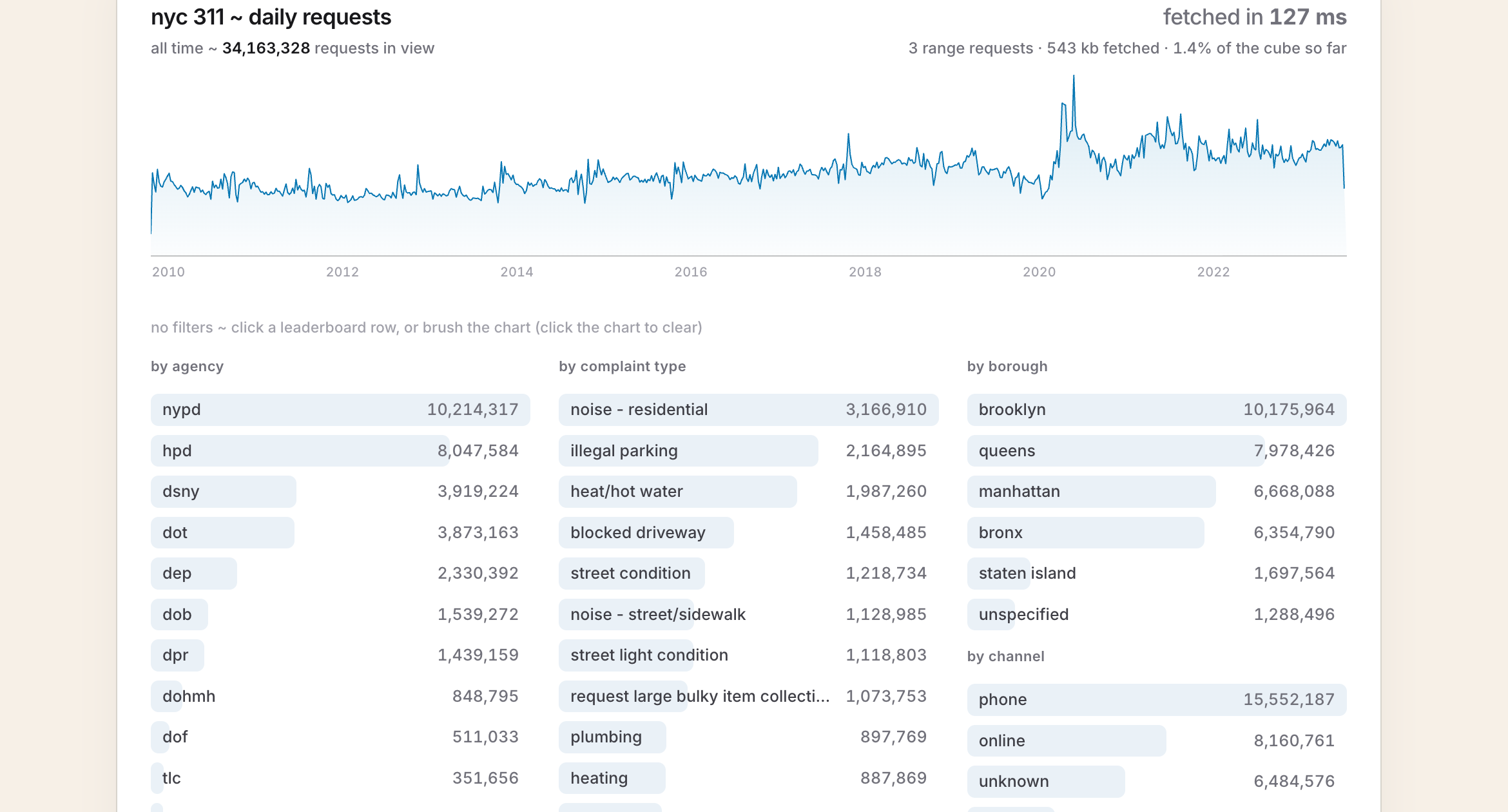
Developers are embracing new tools like Hyparquet for creating dashboards without traditional databases. This approach leverages object storage for customer analytics, demonstrating how data handling is evolving.
Additionally, frameworks for testing AI voice agents are emerging, ensuring that these systems can handle real-world scenarios effectively. This is crucial as conversational agents become more mainstream, demanding rigorous testing beyond standard practices.
Reflections on Development and Ethics

As we build more complex systems, the conversation around ethical AI grows. The notion of 'vibecoding' suggests a shift in mindset — from meticulous syntax to focusing on the intent behind code. This raises questions about accountability and understanding in development.
Furthermore, the recent exposure of AI vulnerabilities highlights the need for security in AI systems. As AI's reasoning processes are scrutinized, developers must prioritize safeguarding sensitive information against exploitation.
FDA clears blood test to aid evaluation for Alzheimer's disease
The FDA has approved a new blood test that can help diagnose Alzheimer's disease earlier. This less invasive method could change how clinicians assess patients, making early intervention more feasible.
The treasury bond mess: is this the demise of the US as a safe haven?
The US Treasury's attempts to stabilize bond yields are struggling, raising concerns about the nation's economic future as servicing federal debt becomes increasingly costly amidst rising yields.
- Why is Anthropic's public writing style so unlike Claude's?Exploring the unique writing style of Anthropic's Claude compared to other LLMs. — Cmart Blog
- I built a low-latency AI companion that plays Skyrim with meA developer shares their journey in creating an AI companion for immersive gaming. — Pantelis
- Put an Orange In Your PulpIntroducing Pulp, a UI tool for managing software packages more easily. — Vaiolabs
- Controllers vs Minimal APIs: Stop Picking a WinnerA discussion on the merits of using Controllers versus Minimal APIs in .NET. — Kazem M.
- Mourning Steve FrenchThe tech community remembers Steve French, a key figure in the Linux kernel. — LWN
Esta edição foi útil?
Um clique basta — isso orienta a próxima.