 Engenharia· · 2 min
Swift 6.3: A New Era for Developers.
Today’s tech news is buzzing with fresh releases, from Swift 6.3 making strides to AI developments reshaping industries. Plus, we dive into some unexpected security breaches and practical coding tips for everyday developers. Let’s sip on these hot takes.
Swift 6.3: A New Era for Developers

Swift 6.3 is here, and it’s shaking things up across the software stack. With improved C interoperability, developers can now expose Swift functions to C code easily. Plus, the new Android SDK opens doors to mobile developers looking to leverage Swift’s capabilities.
This update is not just about features; it's about making development smoother and more efficient. Expect fewer headaches and more opportunities as Swift expands its reach into embedded environments and cross-platform builds.
The Shell Tricks You Didn't Know You Needed
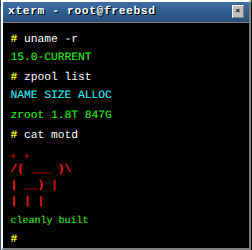
Shell commands can be a developer's best friend, but are we really using them to their full potential? A new list of shell tricks is making waves, highlighting handy shortcuts that could save you sanity and time.
From Emacs-style line editing to clever command shortcuts, these tips can streamline your workflow. It’s time to elevate your terminal game and stop suffering through unnecessary keystrokes.
AI Security Breaches: A Wake-Up Call

The recent LiteLLM supply chain attack has sent shockwaves through the developer community. A compromised Python package has exposed critical vulnerabilities, affecting AI infrastructure globally.
This incident underscores the importance of security in our development tools. As we integrate AI more deeply into our workflows, safeguarding our supply chains must become a top priority.
Green IT: The Environmental Impact of AI

AI's rapid growth is raising serious environmental concerns. Each query consumes massive energy, and the lifecycle of GPU chips is alarmingly short.
Experts are advocating for 'Green IT' practices to mitigate these impacts. From model compression to energy-efficient hardware, there are actionable steps we can take to make AI development more sustainable.
LiteLLM Supply Chain Attack: How TeamPCP Backdoored AI Infrastructure
A critical vulnerability was exposed when the LiteLLM Python package was compromised, affecting numerous enterprises using AI infrastructure. The attack highlights significant risks within software supply chains.
AWS S3 Introduces Account-Regional Namespaces
AWS's new account-regional namespaces for S3 buckets resolve a long-standing issue with global bucket name collisions, simplifying development processes for teams.
- Personal Encyclopedias: Capturing Our StoriesA personal reflection on organizing family history through photographs, revealing the importance of preserving memories. — Whoami
- How to Scrape Goodreads in 2026A practical guide to extracting book data from Goodreads for various applications, from recommendation systems to author analytics. — Dev.to
- Conquering Tutorial HellTips on breaking free from the trap of following tutorials without truly understanding the material. — Dev.to
- How to Work With Dapper in .NetAn exploration of Dapper, a lightweight ORM for .NET, focusing on performance and control over SQL queries. — FreeCodeCamp
- Native Federation vs Webpack Module FederationA detailed comparison of two approaches for implementing Micro-Frontend architectures in modern web development. — Dev.to
- The Cursorrules and CLAUDE.md Setup for AI ProductsA streamlined setup guide for developers working on AI products, focusing on efficiency and context. — Dev.to
Esta edição foi útil?
Um clique basta — isso orienta a próxima.