 Cloud e DevOps· · 2 min
AI Governance: The New Norm.
Today, AI continues to dominate the tech landscape as companies grapple with governance, security, and operational challenges. From new console experiences to tightened security measures, developments are reshaping how we build and interact with technology. It's a pivotal moment for cloud computing and DevOps, where efficiency and safety are paramount.
AI Governance: The New Norm

With AI adoption skyrocketing, organizations are racing to implement robust governance frameworks. AI governance ensures that systems remain aligned with business goals while managing risks and compliance. As AI agents become more autonomous, embedding governance early on is key to avoiding potential pitfalls.
Security in a Rapidly Evolving Landscape

AI's role in cybersecurity is evolving, with public sector organizations looking towards AI-powered Security Operations Centers (SOCs). These new setups aim to keep pace with AI-driven cyber threats, which require responses measured in seconds, not hours. The integration of AI into security practices is essential for timely detection and response.
Streamlining Development Workflows
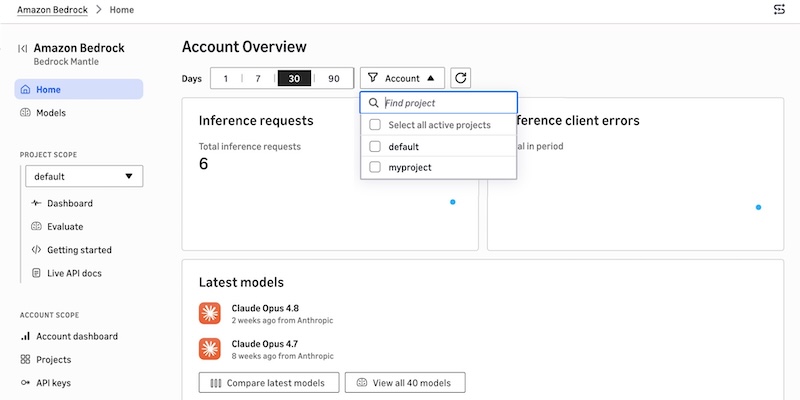
New tools and features are emerging to enhance developer efficiency. Amazon Bedrock's revamped console experience offers a streamlined approach to working with AI models, making it easier to test and deploy. Meanwhile, Pulumi is introducing Git tag triggers, connecting release rituals directly to infrastructure for seamless deployments.
The Future of AI and Infrastructure Access

As AI agents gain more autonomy, rethinking identity and access management is critical. Traditional IAM models aren't built to handle the unpredictable nature of AI access. Organizations must focus on securing their infrastructure while ensuring that AI agents operate within safe boundaries.
Niche Innovations Worth Noting
With AI tools rapidly evolving, Replit's integration of a financial stack for vibe coding is a notable step forward. This could pave the way for a more profitable avenue for developers. Keep an eye on these under-the-radar innovations that may reshape how we approach application development.
Higher click-through rates for phishing campaigns built by large language models compared to traditional methods.
FonteWhat is AI Governance? Frameworks, Principles, and Best Practices
AI governance is becoming crucial as organizations scale their AI deployments. It helps manage risks, compliance, and ethical standards, ensuring AI aligns with business objectives.
Agentic SOCs: The Public Sector’s New AI Cybersecurity Defense
Public sector organizations are adopting AI-powered Security Operations Centers to counteract rapid cyber threats. This adaptation is critical for maintaining security in an increasingly complex threat landscape.
Hardened Images Explained: Fewer CVEs, Smaller Attack Surface
Hardened images significantly reduce container vulnerabilities by stripping away unnecessary packages, thus minimizing the attack surface. This approach emphasizes the importance of secure base images.
- Replit shows how vibe coding is getting its own financial stack — and a path to profitReplit is carving out a financial stack for vibe coding, potentially transforming how developers monetize their skills. — The New Stack
- Cloudflare aqui-hires VoidZero: Did a piece of the open web just stabilize, or become more brittle?Cloudflare's acquisition of VoidZero raises questions about the impact on the open web and its stability. — The New Stack
- Asana says its new AI “chief of staff” turns your Slack chaos into trackable workAsana's AI tool aims to streamline work management by converting conversations in Slack into actionable tasks. — The New Stack
- Nvidia’s best model is now liveNvidia has launched its most advanced AI model, promising enhanced capabilities for developers. — The New Stack
- Trigger Deployments on Git TagsPulumi introduces a new feature allowing automatic deployments based on Git tags, simplifying release processes. — Pulumi
Esta edição foi útil?
Um clique basta — isso orienta a próxima.