 IA· · 2 min
OpenAI’s Vigilant Stance Against Misinformation.
Today’s tech landscape is buzzing with AI innovations and their implications. From OpenAI’s crackdown on malicious influence campaigns to advancements in local small language models, it’s clear that AI is reshaping our digital interactions and infrastructures. Let’s dive into the highlights.
OpenAI’s Vigilant Stance Against Misinformation
OpenAI is taking a stand against covert influence campaigns. The company banned Russian accounts promoting a fake think tank, showcasing its commitment to safeguarding the integrity of information online. This move highlights the crucial role AI plays in identifying and mitigating misinformation.
Innovations in AI Hardware and Software

Jalapeño, OpenAI's new inference chip, is setting records for speed and efficiency, promising faster AI processing without compromising power efficiency. Meanwhile, advancements in GPT-5.6 within the Kiro platform are enhancing developer productivity by improving price-performance ratios.
The Rise of Local Small Language Models
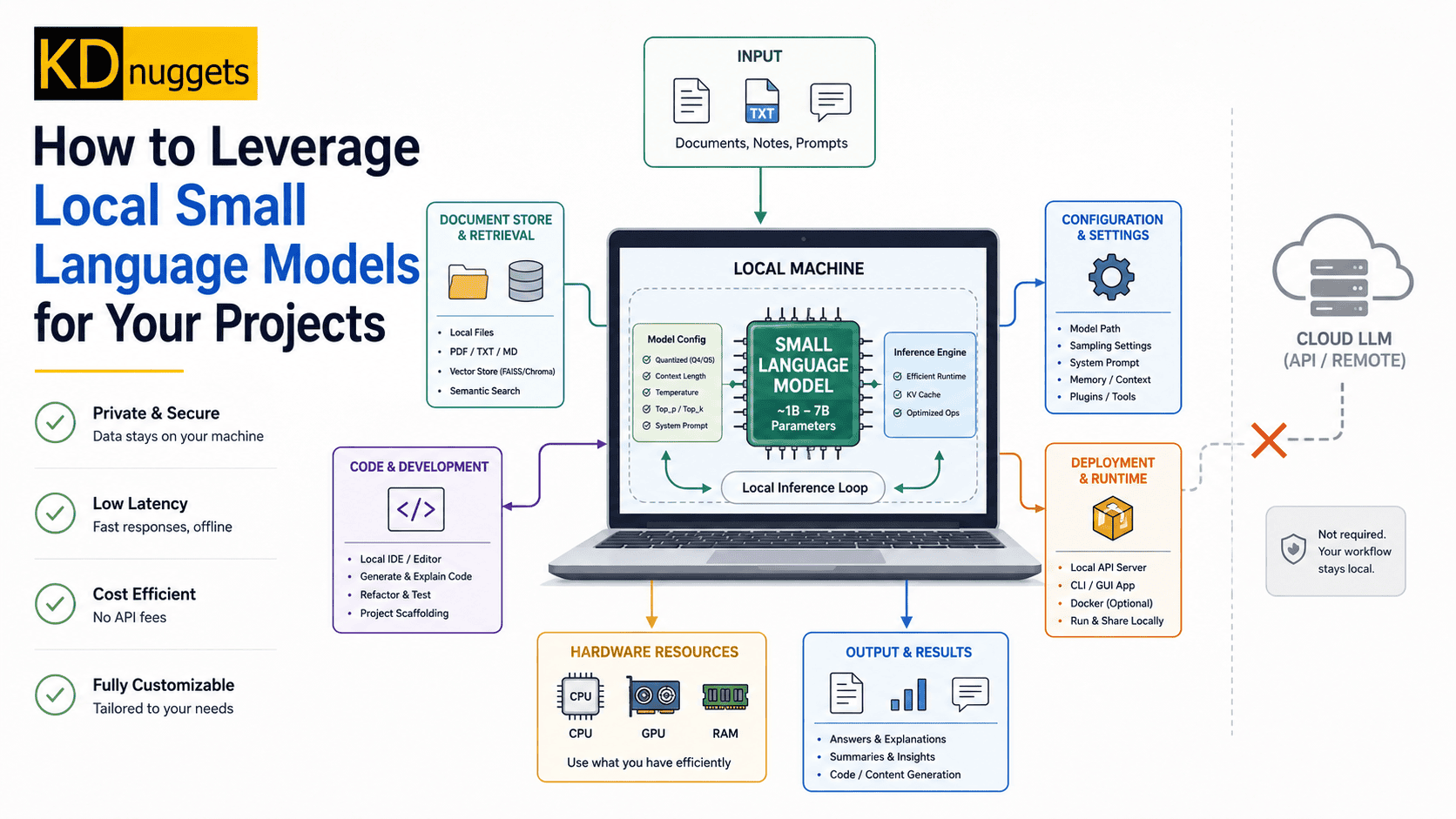
Local small language models are gaining traction as developers seek faster, more privacy-preserving solutions. These models are compact enough to run on personal hardware, cutting reliance on cloud APIs and offering better control over data. It’s a game-changer for those looking to build AI applications without the baggage of external dependencies.
Navigating AI's Complex Landscape
As AI evolves, so do the challenges of governance and accountability. Key questions are emerging: How do we scale AI responsibly? Who's accountable for AI-driven decisions? These discussions are shaping the future of AI in enterprise settings, emphasizing the need for regulatory frameworks.
Disrupting a new covert influence campaign from Russia
OpenAI banned accounts linked to a Russian misinformation campaign, emphasizing the role of AI in combating online deception. This action points to the growing necessity for vigilance in the digital information landscape.
Granite 4.2 LLMs: How They're Built
IBM's Granite 4.2 models focus on reasoning with enhanced context capabilities. They’re designed for high-performance applications, setting new standards in the LLM space.
How XPUs Meet a World-Class AI Factory
NVIDIA's NVLink Fusion connects custom XPUs to a robust AI infrastructure, optimizing performance for demanding AI workloads. This integrated approach is vital for the next generation of AI factories.
- AI Agents Don’t Need More Context — They Need Typed ContextExploring the importance of structured context for AI agents to enhance performance. — Towards Data Science
- Last Week in AI #342 - Last 3 Months in AIA recap of the major AI developments over the past three months. — Last Week in AI
- Speculative Decoding on CPUs: Nearly 4x Faster Token Generation with DFlashDFlash introduces a method for significantly speeding up token generation in language models. — Towards Data Science
- Put Your Own Logic Inside the Codex Agentic LoopLearn how to customize the Codex agentic loop for better task execution. — Towards Data Science
- Can an LLM Forget the Right Things?A look at the challenges of managing memory in large language models. — Towards Data Science
- Build an End-to-End Data Science Project with Grok Build and Grok 4.6Using Grok Build to create a robust data science workflow. — KDnuggets
- Recursive CTEs: SQL’s Hidden Graph Traversal EngineUnlock the power of SQL with recursive common table expressions for graph problems. — Towards Data Science
Esta edição foi útil?
Um clique basta — isso orienta a próxima.