 IA· · 2 min
Optimizing Agentic Performance.
Today, the AI scene is buzzing with innovations aimed at enhancing agentic systems and improving efficiency. From Google defining AI access boundaries to new models that optimize task execution, it’s clear that the focus is on refining how AI interacts with us and each other. Let’s dive into the highlights.
Optimizing Agentic Performance
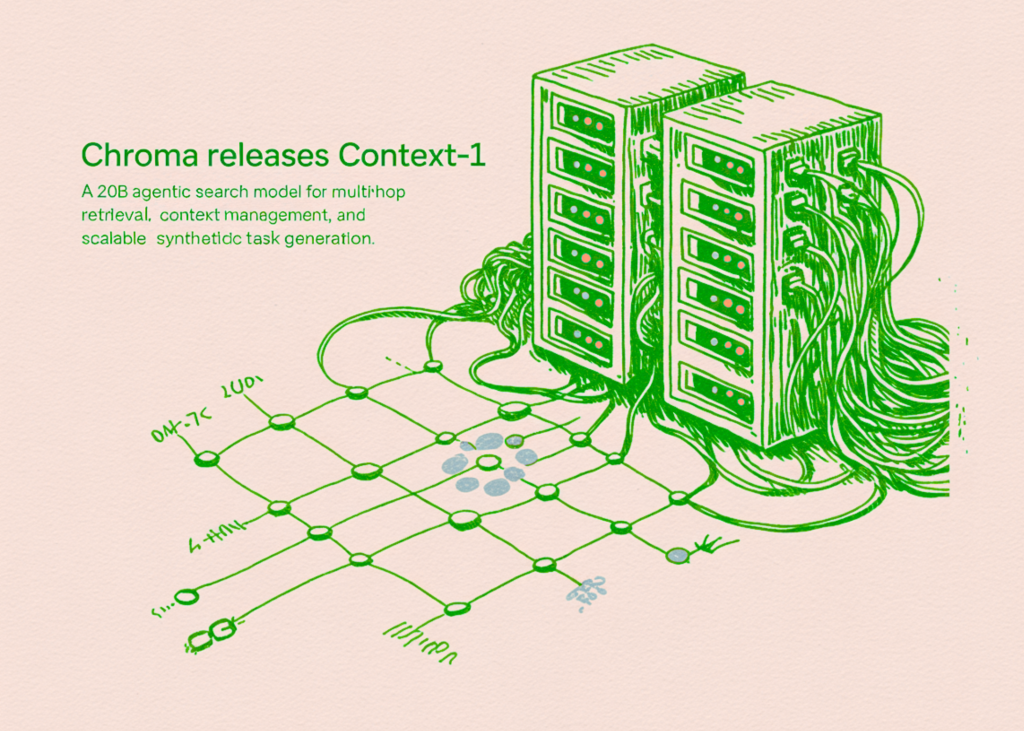
Chroma's Context-1 is shaking things up with its 20B parameter model, designed for multi-hop retrieval and context management. This specialized search engine acts like a scout, efficiently fetching relevant documents rather than trying to serve as a general-purpose reasoning engine. It’s a targeted approach that promises to reduce latency and costs, a win for RAG systems.
Meanwhile, NVIDIA's ProRL Agent introduces a decoupled rollout-as-a-service infrastructure for reinforcement learning. This shift in architecture addresses the bottleneck of I/O-bound interactions versus GPU-intensive policy updates, paving the way for smoother agent development.
AI's Role in Cybersecurity
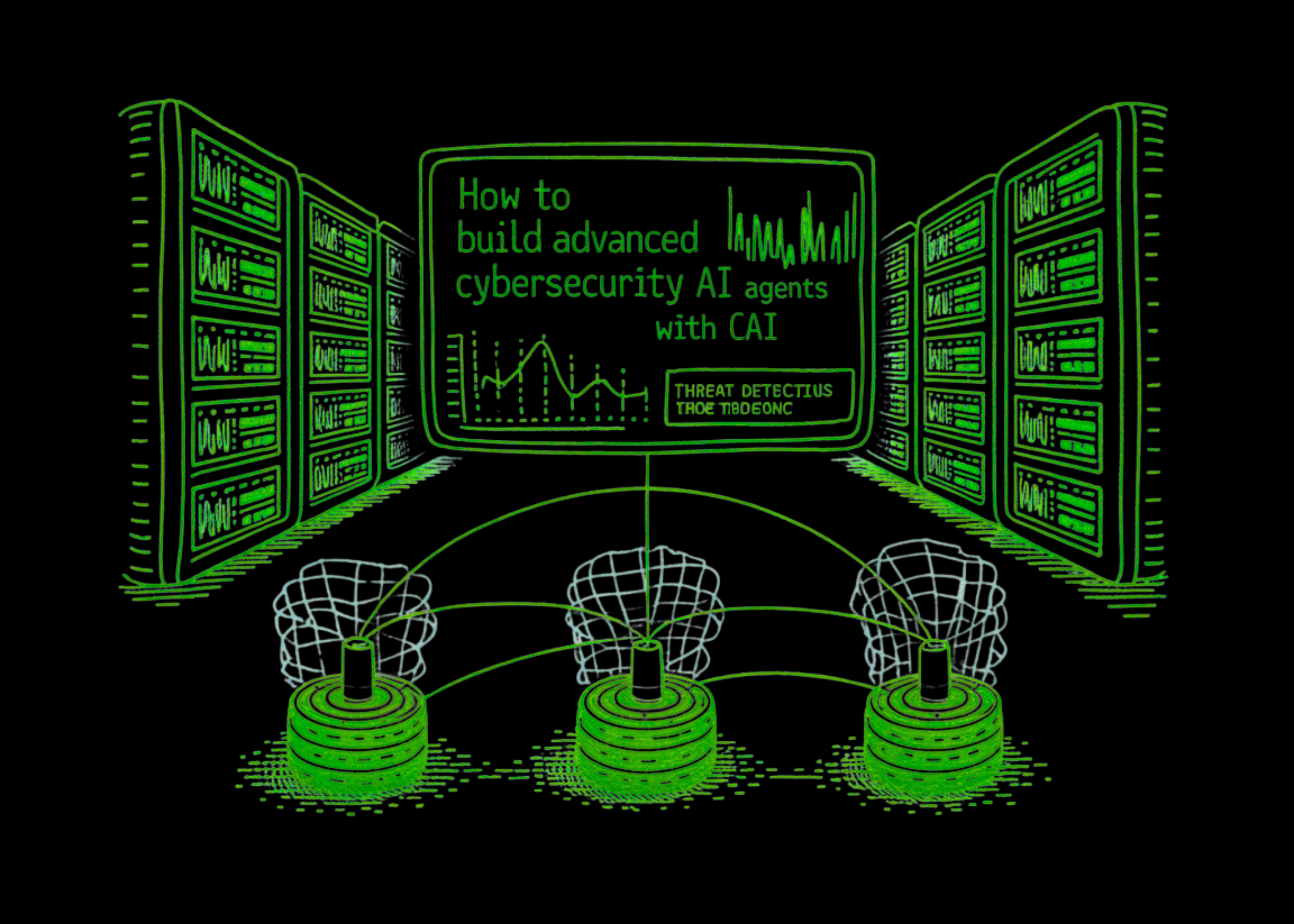
The rise of AI in cybersecurity continues with the CAI framework, enabling the creation of advanced AI agents capable of multi-agent workflows. This step-by-step tutorial illustrates how to build agents that can reason and respond dynamically, adapting to ever-evolving security threats.
In a related vein, the new AIO Sandbox from Agent-Infra is simplifying the execution environment for AI agents. By integrating multiple functionalities into one container, it aims to streamline the development process, making it easier for developers to deploy agentic systems.
Voice Tech and AI Integration
Mistral AI's Voxtral TTS is setting a new standard in text-to-speech technology, boasting a 4B parameter model that emphasizes efficiency. By offering an open-weight solution, developers can now integrate high-quality voice generation into their applications without the typical pricing and privacy constraints of proprietary APIs.
Moreover, Google's new distinction between Google-Agent and Googlebot highlights how AI is reshaping content retrieval and indexing, focusing on user-triggered interactions rather than autonomous crawling.
The Future of AI Engineering
As the demand for AI engineers skyrockets, there’s a reality check about how long it takes to break into the field. While many claim you can become an engineer in months, the truth is that mastering the necessary skills is a longer journey, albeit one worth taking for career growth.
For those already in the game, understanding the complexities of AI frameworks like nanobot and A-Evolve can empower developers to create more sophisticated applications. These tools are pushing the envelope on what autonomous systems can achieve.
Chroma Releases Context-1: A 20B Agentic Search Model
Chroma's Context-1 is a 20B parameter model focused on efficient multi-hop retrieval. It serves as a specialized retrieval subagent designed to optimize document sourcing for complex queries.
Mistral AI Releases Voxtral TTS: A 4B Open-Weight Streaming Speech Model
Mistral AI has launched Voxtral TTS, an efficient text-to-speech model that allows developers to integrate high-quality voice generation into applications without the typical constraints of proprietary solutions.
- Google-Agent vs Googlebot: Understanding AI AccessGoogle clarifies the operational differences between Google-Agent and Googlebot, emphasizing user-triggered interactions. — MarkTechPost
- Using OpenClaw as a Force MultiplierDiscover how one individual utilizes OpenClaw to manage multiple autonomous agents, enhancing productivity. — Towards Data Science
- How to Become an AI Engineer FastA reality check on the time it takes to become an AI engineer, emphasizing the skills needed for success. — Towards Data Science
- Meet A-Evolve: Automating Agentic AI DevelopmentA-Evolve aims to automate the development process for autonomous AI agents, moving away from manual tuning. — MarkTechPost
- Self-Healing Neural Networks in PyTorchExplore a new method to handle model drift in real-time without the need for retraining. — Towards Data Science
Esta edição foi útil?
Um clique basta — isso orienta a próxima.