 엔지니어링· · 2분
AI's New Frontiers.
Today, we're diving into a mix of AI developments, programming quirks, and the evolving landscape of data centers. The tech world is buzzing with new projects, regulatory shifts, and a renewed focus on security. Grab your coffee; it's time to catch up!
AI's New Frontiers

From Diagrid's Catalyst 2.0 promising durable execution for AI agents to Z.ai unveiling its GLM-series model, AI continues to evolve rapidly. Diagrid's latest update integrates failure recovery and cryptographic verification, making it easier for developers to build resilient AI systems.
Meanwhile, as AI tools gain traction, discussions around their effectiveness are heating up. A recent article highlights the importance of evaluating AI reviewers, ensuring they don't miss critical bugs during code reviews, which can lead to costly oversights.
Navigating Data Center Politics
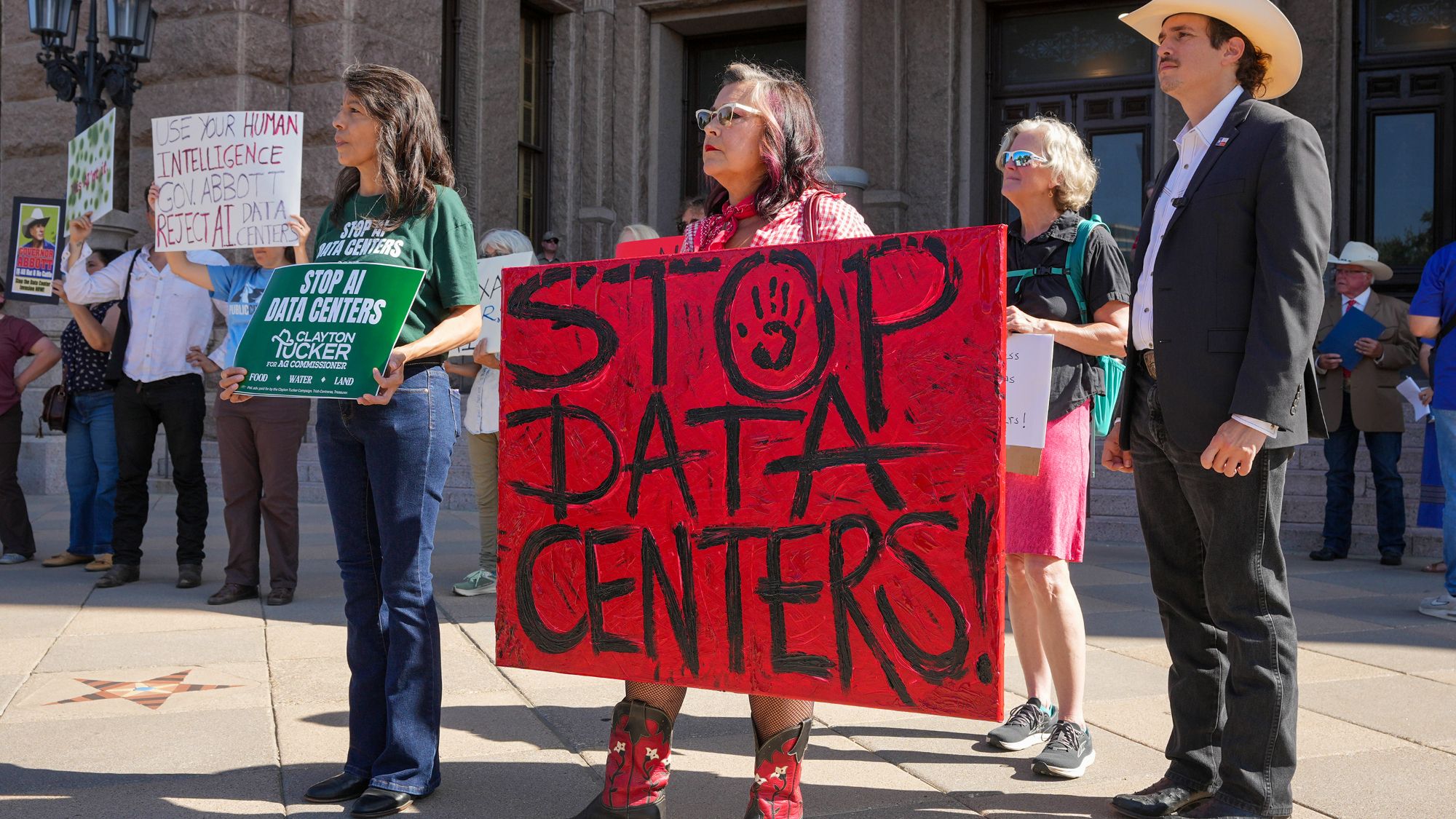
The U.S. government's push to streamline data center permits is raising eyebrows. By removing public input on pollution permits, critics worry it could lead to unchecked environmental impacts, especially with new AI data centers on the rise.
As communities push back, this move reflects a broader tension between technological expansion and environmental stewardship. How companies navigate these regulations could set precedents for the future of tech infrastructure.
Programming Pitfalls

A deep dive into Python's str.lower() reveals how it can pose security vulnerabilities due to its handling of non-ASCII characters. As the world becomes more diverse, developers need to be aware of these nuances to avoid pitfalls.
Also, a personal tale from the trenches illustrates that even well-reviewed code can crash in production. It’s a reminder that testing isn't just a checkbox; it’s crucial for maintaining software integrity.
Emerging Trends in Web Development

Several articles spotlight the ongoing evolution in web dev practices. From JWTs simplifying user authentication to effective strategies for managing AI alerts, the focus is on efficiency and security.
For instance, one piece discusses how to effectively run static analysis tools in a browser, highlighting the constraints and benefits of this approach. As developers adapt to new tools, the conversation around best practices continues to grow.
Diagrid Catalyst 2.0 Adds Durable Execution for AI Agents
Diagrid announces Catalyst 2.0, enhancing AI agents with durable execution and failure recovery. This update aims to streamline operations across various frameworks, ensuring interrupted runs can resume efficiently.
U.S. gov't moves to suppress pushback on data centers
The EPA plans to remove public feedback requirements for data center pollution permits, raising concerns among communities. This shift could significantly impact local environmental oversight as AI data centers expand.
- Oldinsurancemaps.net is now a Charter ProjectOldInsuranceMaps.net has become a Charter Project, making historical maps more accessible for researchers and hobbyists alike. — OpenStreetMap US
- RAG Is Simpler Than You ThinkAn exploration of streamlined approaches to AI retrieval systems and when to apply them effectively. — Lighthouse Newsletter
- When str.lower() is a security vulnerability in PythonUnderstanding the security implications of Python's str.lower() method and its handling of Unicode. — Seth Larson
- 3 Things I Learned Building a Smart Contract Project with FoundryInsights from building an NFT marketplace, highlighting the importance of security and architecture in smart contracts. — DEV
- Installing gcc9 on CentOS 7A straightforward guide for upgrading GCC on CentOS 7 to enable compatibility with modern Python versions. — DEV
- JWTs are Like Stamped LettersAn analogy explaining how JWTs function in web infrastructure to maintain user sessions. — DEV
이번 호가 도움이 되었나요?
클릭 한 번이면 다음 호에 반영됩니다.