 신흥 테크· · 2분
Tech Meets Conservation.
Today, the intersection of technology and nature is making waves. From AI-driven fusion material discovery to conservation breakthroughs and innovative robotics, the future is unfolding rapidly. Let’s dive into how these stories shape our world.
Tech Meets Conservation

Scientists have identified key ecological needs to conserve the elegant spider-orchid, a species that's critically endangered. This breakthrough comes as global conservation efforts are ramping up amidst ongoing habitat destruction. Plus, a Sumatran orangutan has made history by using a man-made canopy bridge, showcasing a positive step in wildlife conservation efforts.
AI's Role in Scientific Breakthroughs

DuctGPT is shaking things up by accelerating the discovery of next-gen fusion materials. This AI tool predicts material properties for extreme reactor conditions, marking a significant leap in energy research. Meanwhile, MIT's self-organizing laser technology could revolutionize biomedical imaging, providing insights into brain-targeted therapies.
Innovations in Robotics
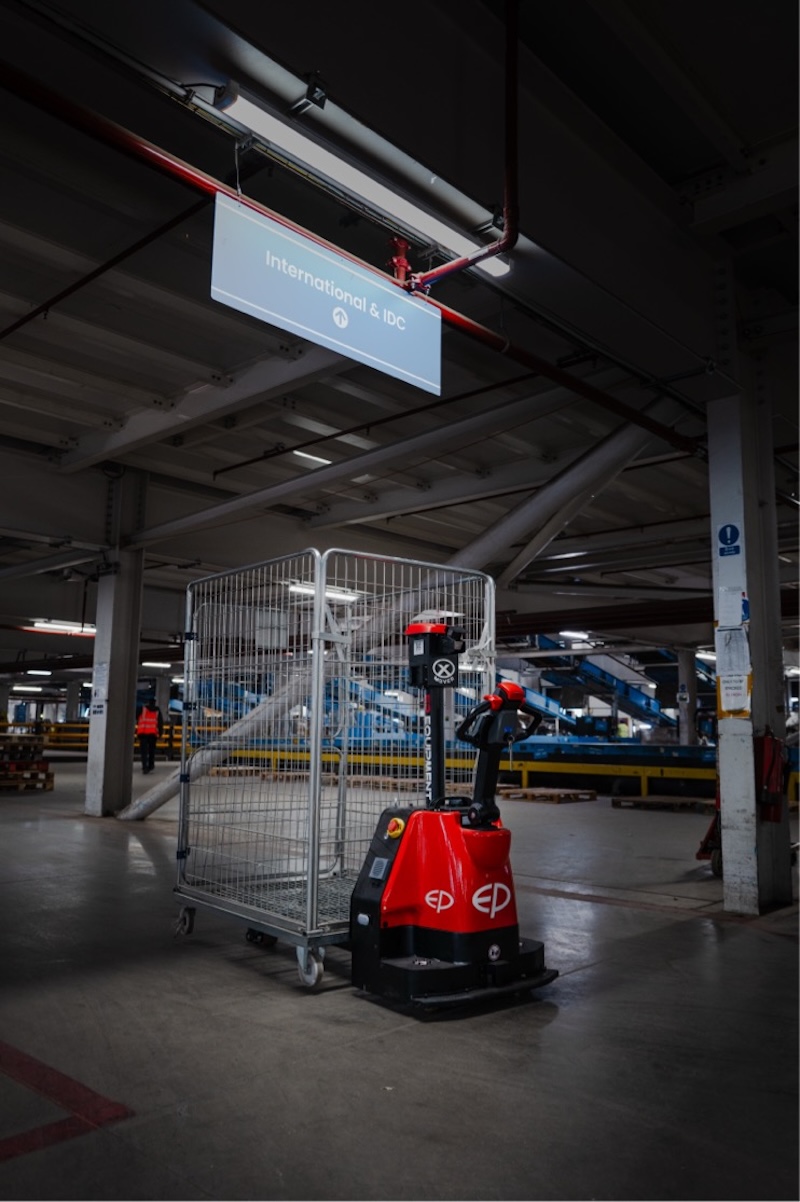
UK logistics company Evri is set to trial autonomous guided vehicles to streamline operations in its Rugby hub. This move represents a growing trend toward automation in parcel delivery. On another front, Boston Dynamics’ Spot robot dog has been upgraded with AI capabilities for continuous patrols and asset tracking, demonstrating the evolving role of robotics in security.
Energy Innovations on the Rise
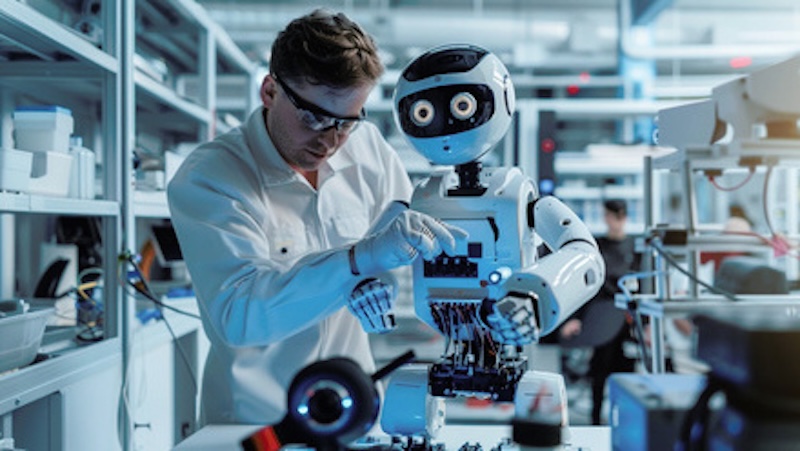
A groundbreaking report suggests the UK could tap into a £150 billion opportunity in robotics, leveraging advancements in AI and materials. Countries are also exploring innovative energy solutions, with Japan planning the world's largest floating offshore wind farm by 2035. Meanwhile, China has unveiled a new iron battery that’s cheaper and more efficient than lithium counterparts, signaling a shift in energy storage technology.
Groundbreaking AI Tool DuctGPT
DuctGPT is a new AI tool that speeds up the discovery of materials for fusion energy systems. It combines advanced AI with physics-based modeling, promising to revolutionize energy research.
Japan's Ambitious Wind Farm Plans
Japan is set to build the world's largest floating offshore wind farm to generate 1 GW of power by 2035. This project reflects a significant commitment to renewable energy.
- Botany's answer to Darwin's finches shows evolution in real timeResearchers have documented real-time evolution in a group of plants on the Galápagos Islands, shedding light on genetic adaptations. — Phys.org
- Tandem superflare observations reveal origin of the stellar Fe Kα lineA study has unveiled the mechanisms behind the Fe Kα line in stellar flares, enhancing our understanding of cosmic phenomena. — Kyoto University
- NASA's fleet of MoonFall drones to scout lunar south poleNASA plans to deploy drones for detailed scouting of the lunar south pole, aiming to prepare for future manned missions. — Space.com
- Common Pregnancy Medications Linked to Higher Autism RiskA major study links certain prenatal medications to increased autism risk in children, calling for further research. — SciTech Daily
- AI-Powered Chemistry Lab Runs ItselfAn automated chemistry lab capable of optimizing reactions is paving the way for faster discoveries in chemical synthesis. — Nature
이번 호가 도움이 되었나요?
클릭 한 번이면 다음 호에 반영됩니다.