 신흥 테크· · 3분
Navigating the New Frontier of Robotics.
Today's tech digest brings together groundbreaking research and advancements across various domains, from the latest in AI ethics to innovative discoveries in chemistry and biology. As we stand on the cusp of a new era in robotics and environmental science, the implications of these developments are profound, shaping not only how we interact with technology but also how we understand our world. Buckle up as we explore the extraordinary tools and insights emerging from the intersection of science and technology.
Navigating the New Frontier of Robotics
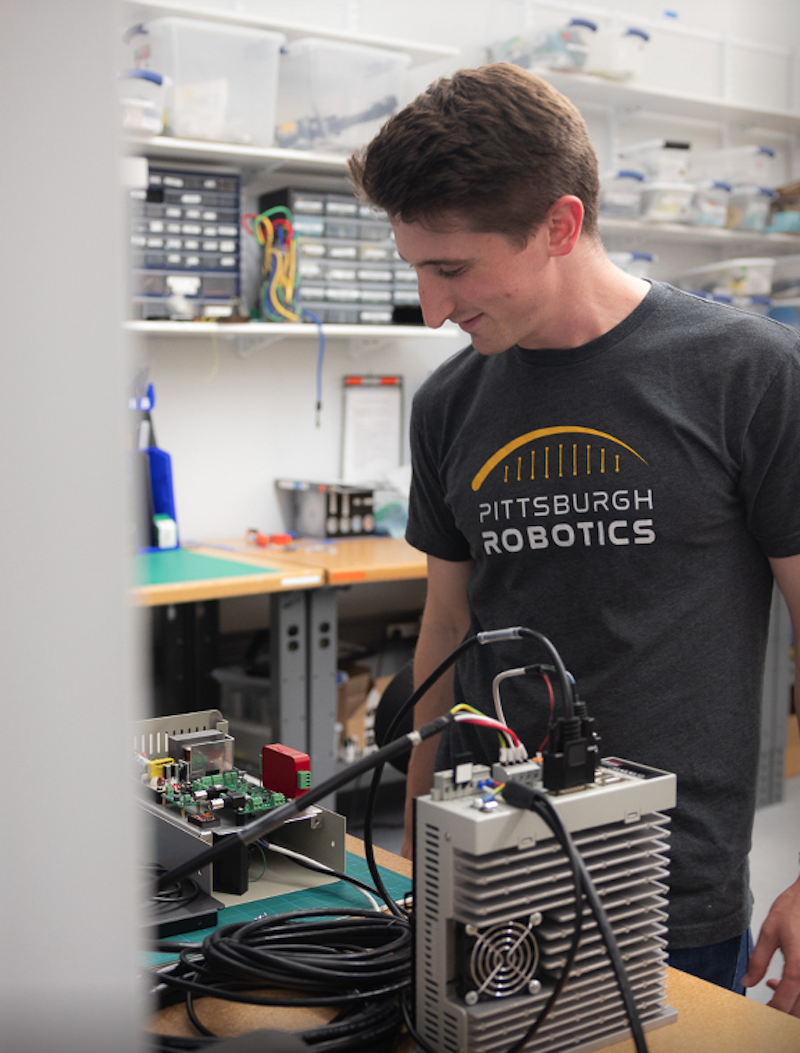
In a world increasingly reliant on automation, Pittsburgh's Robotics Network highlights the next wave of physical AI, from affordable humanoid robots to the deployment of autonomous transportation systems. This shift is not just about efficiency; it's about redefining human roles in industries like logistics and healthcare, where robots are expected to work alongside us rather than replace us entirely.
In a significant milestone, DHL and Locus Robotics celebrated a billion warehouse picks, showcasing the scale and integration of robotic solutions in logistics. This achievement emphasizes how automation can drive productivity and reduce operational costs, paving the way for more efficient supply chains. As companies like Texas Instruments and Nvidia collaborate to enhance humanoid robot development, we're witnessing a race to create machines that are not only intelligent but capable of safely integrating into our daily lives.
AI: The Double-Edged Sword

As artificial intelligence continues to permeate various sectors, the ethics surrounding its use are becoming increasingly critical. A recent study warns that AI disclosure labels, intended to inform users about AI-generated content, may inadvertently mislead rather than clarify, shaping public opinion in unforeseen ways. This raises urgent questions about the responsibility of AI developers in ensuring transparency and trustworthiness of their systems.
Moreover, advancements in AI technologies, such as MIT's new model for improving the explainability of predictions in high-stakes industries, highlight the ongoing struggle for clarity in machine learning. In settings where lives are at stake, understanding the rationale behind AI decisions is not just beneficial—it's essential for fostering trust and safety.
Environmental Innovations: Solutions for a Thirsty Planet

As the world's salt lakes face alarming drying trends, experts are exploring potential solutions to this ecological crisis. The need for consistent water supply highlights the delicate balance of our ecosystems and the pressing need for innovative approaches to water management. This challenge is emblematic of broader environmental issues that demand immediate attention and action.
On a brighter note, researchers have developed a catalyst that turns CO2 into valuable methanol with unprecedented efficiency. This breakthrough not only addresses climate change by repurposing greenhouse gases but also opens avenues for sustainable fuel production. Such innovations represent a pivotal shift in how we can harness technology to combat environmental degradation while fostering economic growth.
Mirai Robotics raised this amount to develop autonomous maritime systems, illustrating the growing investment in robotics and AI in critical infrastructure.
출처DHL and Locus Robotics achieved this milestone in warehouse picks, marking a significant advancement in automation within logistics.
출처A recent study revealed that applying an electric field can increase heat flow by this percentage, which could revolutionize energy efficiency.
출처Scientists Discover Way To Reverse Chemical Process Linked With Alzheimer’s Disease
Researchers at Oregon State University have achieved a breakthrough in understanding Alzheimer’s disease by capturing real-time interactions that lead to protein clumping, a hallmark of the disease. The study reveals that certain metal ions play a crucial role in this process, potentially paving the way for targeted therapies. By developing compounds that can interfere with these interactions, scientists hope to mitigate the effects of Alzheimer's, offering new hope for millions affected by the disease.
One Nasal Spray Could Protect Against COVID, Flu, Pneumonia, and More
Stanford Medicine researchers have developed a novel nasal spray that demonstrated the ability to protect mice from multiple respiratory viruses, including COVID-19. This innovative vaccine not only targets viruses but also shields against bacterial infections and allergens, indicating a potential leap towards a universal respiratory vaccine. The implications of such a development could drastically transform public health strategies, especially in managing seasonal epidemics.
- Congress wants the International Space Station to keep flying until 2032. Here's whyA new NASA authorization bill aims to extend the ISS's operational life, ensuring continuous human presence in low Earth orbit. — Space.com
- Saildrone adds seabed imaging capability to autonomous Voyager ocean dronesSaildrone integrates a sub-bottom profiler into its Voyager drones for enhanced ocean mapping capabilities. — Robotics and Automation News
- Improving AI models’ ability to explain their predictionsMIT researchers develop techniques to improve AI explainability, crucial for applications in healthcare and autonomous driving. — MIT News
- DHL and Locus Robotics reach 1 billion warehouse picks milestoneDHL and Locus Robotics celebrate the completion of one billion picks, showcasing the impact of robotics on logistics. — Robotics and Automation News
- Texas Instruments and Nvidia partner to accelerate humanoid robot developmentA new partnership aims to enhance the safety and efficiency of humanoid robots, bridging the gap between AI and real-world applications. — Robotics and Automation News
이번 호가 도움이 되었나요?
클릭 한 번이면 다음 호에 반영됩니다.