 신흥 테크· · 4분
Climate Change: The Illusion of Glacial Hope.
Today's tech landscape is buzzing with revelations, from the disheartening truths about climate change to groundbreaking advancements in robotics and AI. Researchers are dismantling long-held theories, while others are paving the way for innovative technologies that might just reshape our world. As we skate along the thin ice of uncertainty, these stories remind us of the delicate balance between nature and technology, and the urgent need for sustainable solutions.
Climate Change: The Illusion of Glacial Hope
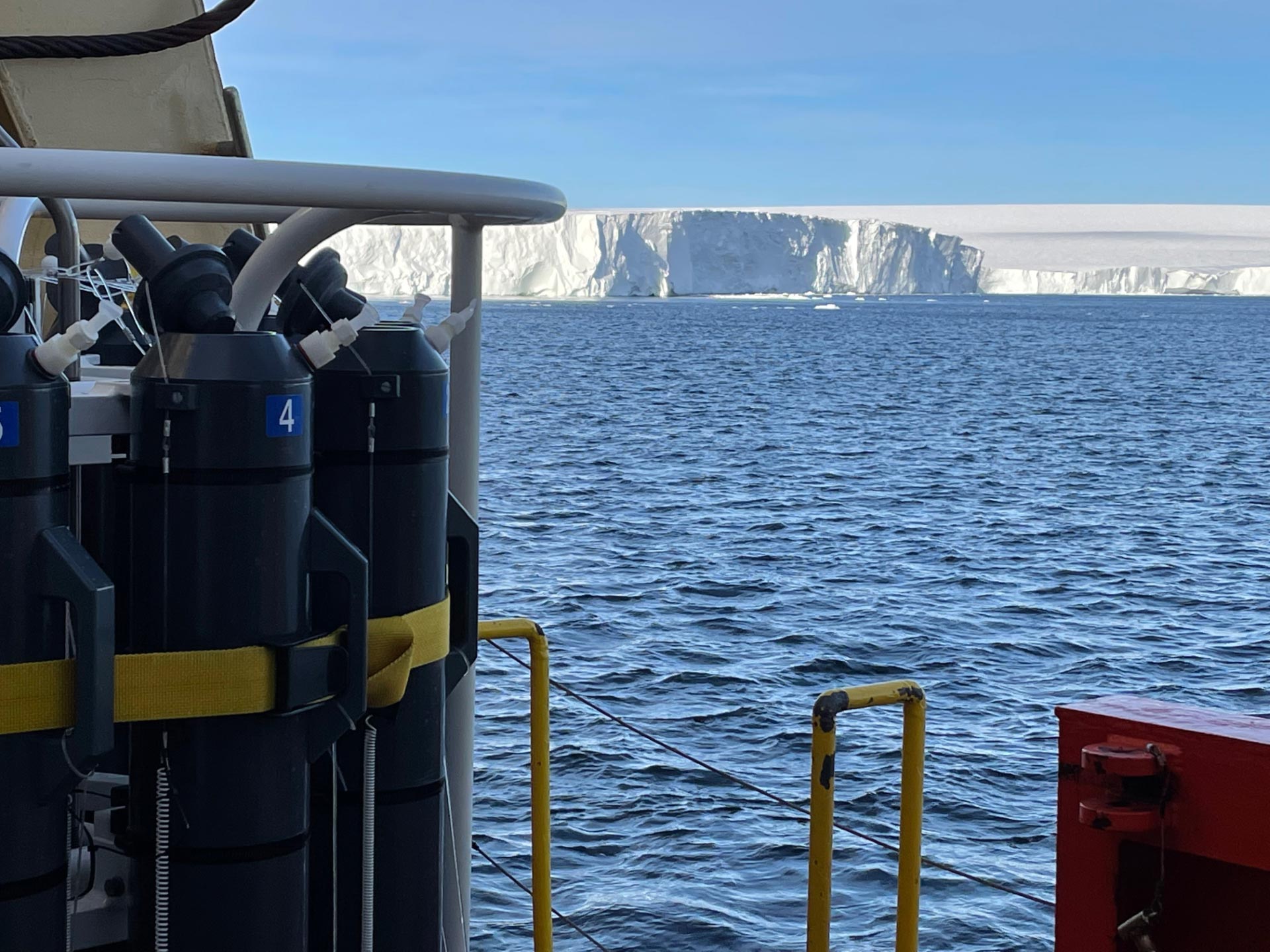
For years, scientists clung to the idea that melting Antarctic glaciers might offer a silver lining in the climate crisis by releasing iron that would spur algae blooms and absorb carbon dioxide. However, new research suggests that this theory is more fiction than fact, as the iron contribution from ice melt is significantly lower than previously thought. This revelation not only casts doubt on a potential climate mitigation strategy but also highlights the urgent need for more robust solutions to combat climate change.
The implications are profound: if the melting ice isn’t the boon we hoped for, we need to swiftly pivot our strategies in addressing rising CO2 levels. With the planet's temperature continuing to climb, our reliance on misconceptions could delay critical action. It’s a stark reminder that in the fight against climate change, every detail matters, and assumptions can lead us astray.
Revolutionizing Robotics: From Nuclear Cleanup to AI-Powered Priests

Japan's recent introduction of a 72-foot robot arm for nuclear debris removal at Fukushima is a significant step toward harnessing technology for environmental recovery. As humanity grapples with the aftermath of disasters, the ability to deploy robotic solutions not only enhances safety but also accelerates recovery efforts. The marriage of robotics and environmental management is becoming increasingly vital in a world where nuclear incidents still loom large.
Meanwhile, in a quirky twist, Japan has also unveiled a humanoid robot priest trained in Buddhist texts, showcasing how AI can intersect with culture and spirituality. While the practical applications of such technology may raise eyebrows, they also spark conversations about the future of human interaction with machines in traditionally human roles. Whether it’s managing a nuclear crisis or guiding spiritual matters, robotics is proving to be a versatile player in our society.
The Future of Energy: Solar Solutions and Beyond
As the world increasingly seeks sustainable energy sources, solar-powered initiatives are gaining traction, particularly in Africa's freight corridors where heavy-duty electric trucks are being charged via solar energy. This shift not only reduces reliance on diesel but also showcases a pioneering step toward cleaner logistics on the continent. The adaptation of solar technology in such practical applications demonstrates the potential for green energy to reshape industries.
Yet, the challenge remains that simply having solar technology available doesn’t guarantee adoption. Research indicates a gap between access to solar systems and their effective use, hinting at a need for strategic deployments that consider local contexts and needs. As we push towards a greener future, ensuring that technology meets the actual demands of communities will be crucial.
Mind and Machine: Unraveling Cognitive Health Through Speech
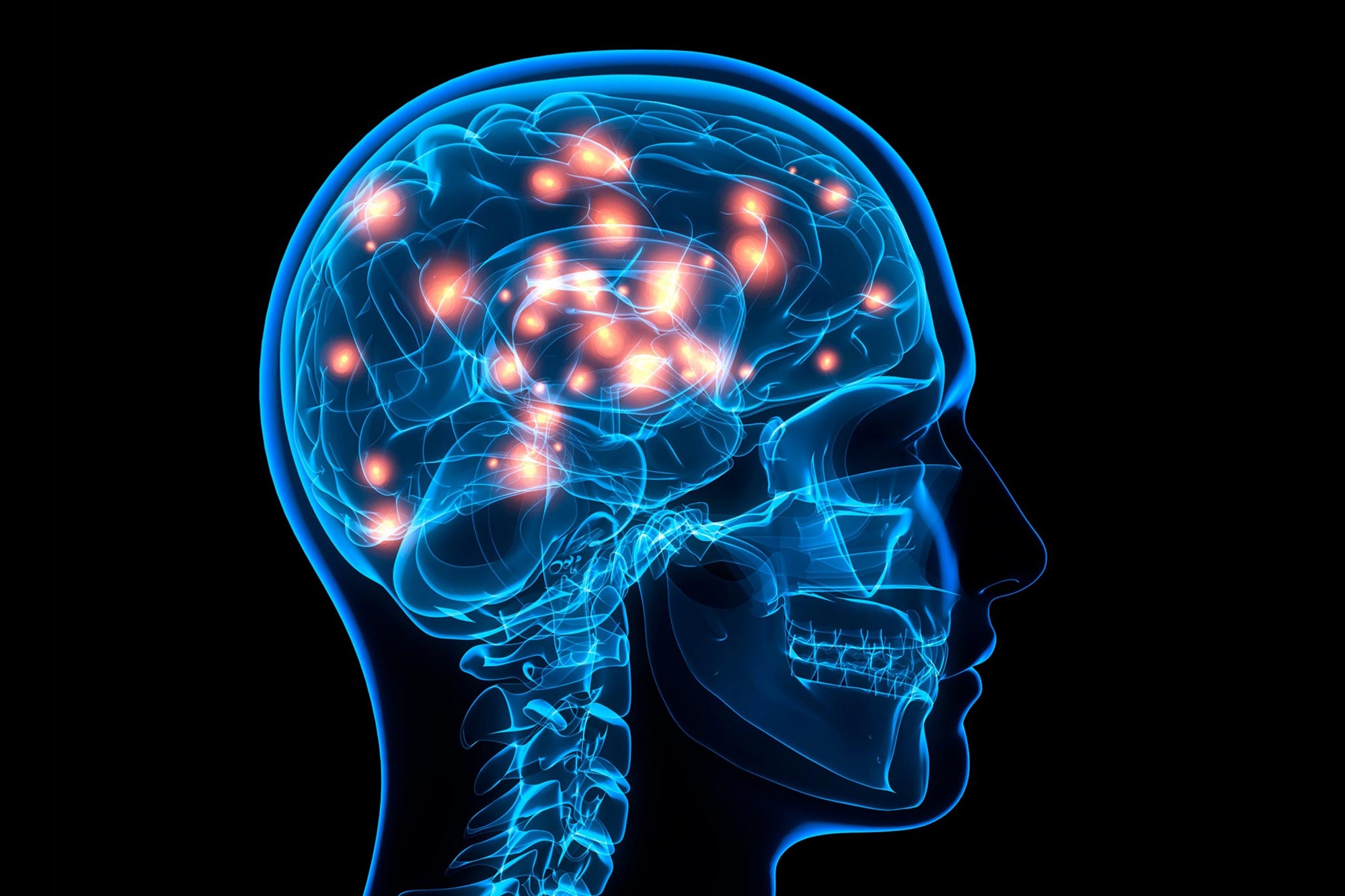
Recent research has unearthed a fascinating connection between our speech patterns and cognitive health, suggesting that subtle nuances in how we communicate may signal early signs of dementia. This study opens up a new frontier for identifying cognitive decline beyond conventional testing, hinting that the way we speak in everyday conversations could serve as a predictive tool for brain health.
As we strive to understand and mitigate cognitive disorders, this research emphasizes the importance of integrating technology into everyday life. By leveraging AI and data analytics, we could develop more accessible and sensitive methods to monitor cognitive health, potentially leading to earlier interventions and improved outcomes for individuals at risk.
A study linking environmental stressors to migration in Somalia analyzed 40,000 cases, highlighting water scarcity as a key driver.
출처Research shows that health effects from fungicide exposure can persist for at least 20 generations in rats, raising concerns over environmental toxins.
출처Lockheed Martin plans to deploy a nuclear fission system of 5 to 10 kilowatts for potential use on a lunar base, indicating significant advancements in space energy solutions.
출처Health effects linger 20 generations after rats are exposed to fungicide
A groundbreaking study has revealed that exposure to fungicides can induce epigenetic changes in rats that persist for at least 20 generations. This research highlights the long-term impacts of environmental toxins, raising concerns about the heritability of health issues such as obesity and kidney disease. The findings stress the need for stringent regulations on chemical exposure and further investigation into the mechanisms behind these transgenerational effects.
Study of 40,000 cases links Somalia migration mainly to water scarcity
A comprehensive study involving 40,000 cases has established a direct link between water scarcity and migration in Somalia, emphasizing the role of environmental stressors in displacement. With drought and agricultural challenges affecting a significant portion of the population, this research underscores the urgent need for sustainable water management strategies to mitigate migration pressures and ensure food security in vulnerable regions.
Twisting Atoms Unlock a Powerful New Way To Control Electrons
Researchers have discovered that atomic vibrations can control the orbital motion of electrons, paving the way for more efficient data processing and storage through a new field known as orbitronics. This advance could revolutionize computing, as it relies on non-magnetic materials, making it more accessible and practical for integration into existing technologies, thus enhancing the efficiency and speed of electronic devices.
- Wildfire smoke linked to rise in violent assaults, 11-year study findsA new study reveals a direct link between wildfire smoke pollution and increased violent assaults in urban settings, highlighting public health concerns. — Phys.org
- Scientists identify ARK1 protein that stops malaria parasite growthResearchers have identified a protein that plays a crucial role in the growth of the malaria parasite, offering a new target for antimalarial drugs. — Phys.org
- AI song generator startups Suno and Udio angered the music industry.AI startups in music generation are facing pushback from the industry as they attempt to carve their niche. — TechXplore
- How Regular Crane Load Testing Prevents Workplace Accidents in Heavy IndustryRegular load testing of cranes is essential to prevent workplace accidents in high-pressure industrial environments. — Robotics and Automation News
- Predictive Maintenance Robotics: How AI and Automation Are Redefining Industrial Asset ReliabilityAI and automation are reshaping asset management in industrial settings, moving towards predictive maintenance strategies. — Robotics and Automation News
- Add Filter to Jira Dashboard: Step-by-Step Configuration GuideA practical guide on configuring filters in Jira dashboards for better project management. — Robotics and Automation News
- Solar-powered truck charging gains ground on South Africa's freight corridorsSolar-powered charging hubs are emerging in Africa's freight corridors, marking a shift towards clean logistics. — TechXplore
이번 호가 도움이 되었나요?
클릭 한 번이면 다음 호에 반영됩니다.