 디자인/UX· · 3분
The Ethical Dilemma in Design: Navigating AI and Surveillance.
In today's design and tech digest, we explore the intersection of creativity and technology, where AI tools are both empowering and complicating the lives of designers. The ongoing conversation about surveillance in UX design highlights ethical considerations that can't be ignored. Meanwhile, Apple’s recent product announcements reveal a shift towards affordability in their lineup, a move that could redefine accessibility for many users. As we navigate these themes, it's clear that the future of design is not just about aesthetics but also about the responsibility that comes with innovation.
The Ethical Dilemma in Design: Navigating AI and Surveillance

As AI tools increasingly permeate the design landscape, discussions about their implications are becoming more pressing. Fabricio Teixeira's piece on 'agentic UX principles' touches on the balance between user empowerment and the lurking specter of surveillance. Designers are urged to consider whether the tools they adopt merely enhance creativity or inadvertently contribute to a system that prioritizes data collection over user experience.
Simultaneously, Dora Czerna raises an important point about burnout in the design community. While AI is marketed as a savior for tedious tasks, it often leads to greater complexity, leaving designers to grapple with their identities in a rapidly changing landscape. The challenge remains: how can designers maintain their creative integrity while navigating these powerful technologies?
Apple's March Event: Affordable Innovation or Just a Marketing Ploy?

The recent Apple March event unveiled the iPhone 17e and the iPad Air M4, both of which promise enhanced features at a more accessible price point. This strategy appears to be a significant shift for the tech giant, traditionally viewed as a premium brand. With the iPhone 17e boasting features like MagSafe and improved camera capabilities, it aims to attract a broader audience while still offering quality.
However, as Apple ventures into this affordable territory, questions arise about whether these products will truly meet the needs of everyday users or simply serve as a gateway to upselling higher-end devices. The tech community is keenly observing whether this new direction will redefine how consumers view Apple products or if it will fall flat in execution.
The Rise of Scrollytelling: Engaging Users Through Narrative Design
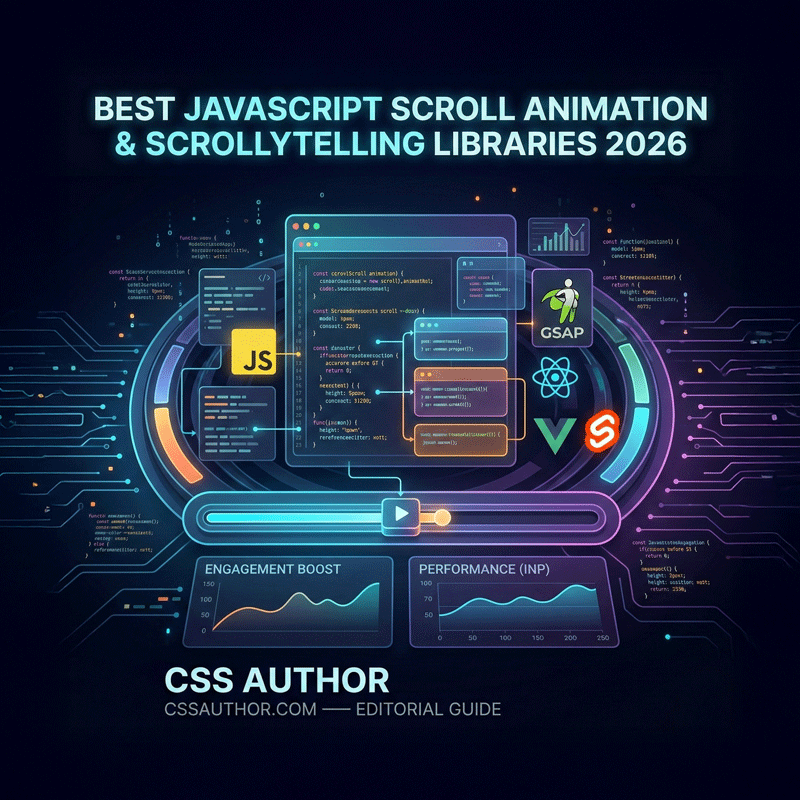
In the world of web design, libraries dedicated to scrollytelling are gaining traction as they blend storytelling with user interaction. These tools not only enhance user engagement but also drive significant conversion rates, with some reports indicating an 85% increase in engagement when effectively implemented. The evolution of narrative design represents a shift from static content to dynamic experiences that captivate users.
However, as developers embrace these techniques, they must also contend with the technical challenges that come with them. Selecting the right library is crucial, as outdated tools can lead to frustrating user experiences. The emphasis on keeping up-to-date with the latest libraries is not merely a trend; it's a necessity for anyone looking to harness the full potential of digital storytelling.
Interactive scrollytelling has been shown to increase baseline engagement rates by 85%, highlighting the effectiveness of narrative design in web experiences.
출처The previous iPad Air model is now available for over $200 off, making it an attractive option compared to the new releases.
출처The new iPad Air M4 is reported to be up to 30% faster than its predecessor, showcasing Apple's commitment to performance improvements.
출처Apple's iPhone 17e Just Sold Me on a Completely Different Phone
The announcement of the iPhone 17e reflects Apple's strategic move toward a more accessible pricing model. With features like MagSafe and enhanced storage, this model offers great value, positioning itself as a clever entry point into Apple's ecosystem. The implications for consumers are significant, as it could shift purchasing decisions toward more affordable devices without sacrificing quality.
Designing at the Edge of AI Harm
This piece calls for a critical reassessment of how designers engage with AI technologies. The author emphasizes the need for a human-centered approach that prioritizes ethical considerations over mere functionality. As AI becomes more integrated into design processes, reflecting on its potential harms is essential for responsible innovation.
- Why This Video Game Artist Still Draws in a Sketchbook with MarkersBen Greene, a video game artist, shares insights into his creative process, emphasizing the importance of traditional methods amidst a digital age. — Creative Bloq
- How Oscar-Nominated Butterfly Used an Unusual Technique to Achieve Its Beautiful Art StyleThe film 'Butterfly' utilizes a unique animation technique that blends painting and storytelling, showcasing the artistry behind its stunning visuals. — Creative Bloq
- The New iPad Air M4 is Here, and It's as We SuspectedThe new iPad Air M4 boasts significant performance improvements while maintaining its appealing price point. — Creative Bloq
- Integrating UX into Capacity PlanningA focused discussion on incorporating user experience into the capacity planning process, emphasizing its importance in project management. — UX Design
- What is Teleoperation?An exploration of teleoperation and its implications for design and UX in robotics, providing insights into future applications. — UX Design
이번 호가 도움이 되었나요?
클릭 한 번이면 다음 호에 반영됩니다.