 AI· · 2분
AI's Cultural Nuances.
Today, AI continues to bridge gaps in various fields, from healthcare to enterprise solutions. Exciting developments in large language models and new tools are changing how we interact with technology. Let’s dive into the latest innovations and insights.
AI's Cultural Nuances

Meet Falcon-Emirati, an LLM that understands not just words, but the rich cultural context behind the Emirati dialect. This model is designed to bridge the gap between modern standard and colloquial Arabic, offering a deeper understanding of local nuances.
In a world where language is often stripped of its cultural richness, this model aims to preserve the essence of Emirati communication, making AI more relatable and effective for native speakers.
AI in Healthcare

AI is stepping up its game in breast cancer care by addressing critical gaps in screening and treatment. Startups are leveraging AI to streamline mammogram readings and expedite genomic assay results, improving patient outcomes.
With tools like ATUSA, a wearable ultrasound system, AI is simplifying the imaging process, making it more accessible for women. This tech could be a game-changer in early detection and treatment planning.
Innovative AI Tools and Models

The latest from Google is EmbeddingGemma 2, a lightweight, multimodal embedding model that can handle text, images, audio, and video. This model is designed for on-device applications, making it a perfect fit for developers looking to enhance user experiences without heavy cloud reliance.
Alongside, we have the Darwin Gödel Machine, capable of rewriting its own code for improved efficiency—a fascinating glimpse into self-improvement in AI.
Sustainable AI Development
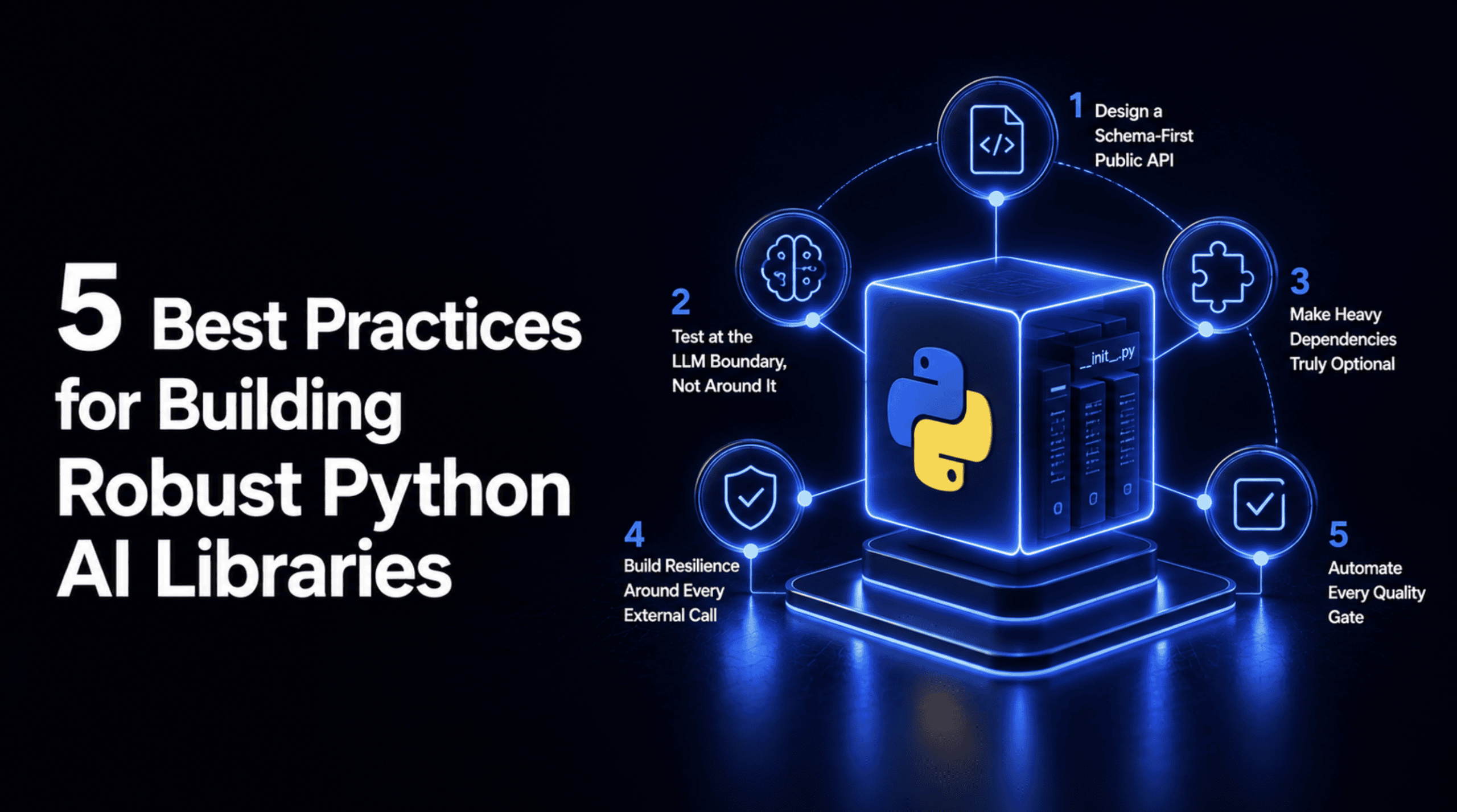
As AI technology evolves, best practices for building robust Python libraries are becoming vital. Developers are urged to consider factors like error handling and dependency management to ensure their AI tools remain reliable and user-friendly.
Meanwhile, telecom operators are increasingly adopting open models, balancing cost with customization and control—an essential strategy in today’s competitive AI landscape.
From Scan to Treatment Plan, AI Helps Close Breast Cancer’s Deadliest Gaps
AI is addressing significant challenges in breast cancer care by enhancing screening processes and speeding up treatment decisions. Startups are integrating AI to provide timely and accurate support at critical points in patient care.
Meta Muse Explained: What It Is, How It Works, and What It Can Do
Meta's Muse is a personal AI agent designed to manage user goals by taking actions autonomously. This new approach marks a significant shift from traditional AI chatbots, aiming for increased functionality and user support.
- How I Use AI to Learn New Topics FasterExplore an AI-assisted framework that enhances learning efficiency, helping users grasp new topics seamlessly. — Towards Data Science
- 5 Best Practices for Building Robust Python AI LibrariesThis article outlines essential practices for creating reliable Python libraries in AI development. — KDnuggets
- How Jump Trading is Scaling Quant Research with ChatGPTJump Trading leverages OpenAI's capabilities to enhance its quantitative research processes. — OpenAI
- Why Telecom Operators Are Building Their AI Strategy on Open ModelsTelecom companies are adopting open models to enhance AI strategies while managing costs. — NVIDIA Blog
- Advancing computer use with IroncladOpenAI and Ironclad are collaborating to improve AI agents in complex contracting workflows. — OpenAI
- Building a context-aware AI assistant on AgentCore and OpenClawLearn how to develop a memory-driven AI assistant that retains user context over time. — AWS Blog
이번 호가 도움이 되었나요?
클릭 한 번이면 다음 호에 반영됩니다.