 AI· · 3분
The Rise of Agentic AI: Beyond Automation.
In today's AI landscape, innovation is reaching new heights as companies grapple with the dual challenges of leveraging advanced technologies while ensuring security and compliance. From OpenAI's push into AI security with its acquisition of Promptfoo to Anthropic's ambitious developments in agentic coding, the race to create AI that can not only perform tasks but also understand and adapt is well underway. Meanwhile, the rise of new tools and methodologies, such as Google's Bayesian teaching method and Andrew Ng's Context Hub, highlights a shift towards more sophisticated interactions between humans and AI. As AI continues to weave itself into the fabric of various industries, understanding these trends is crucial for stakeholders looking to stay ahead of the curve.
The Rise of Agentic AI: Beyond Automation
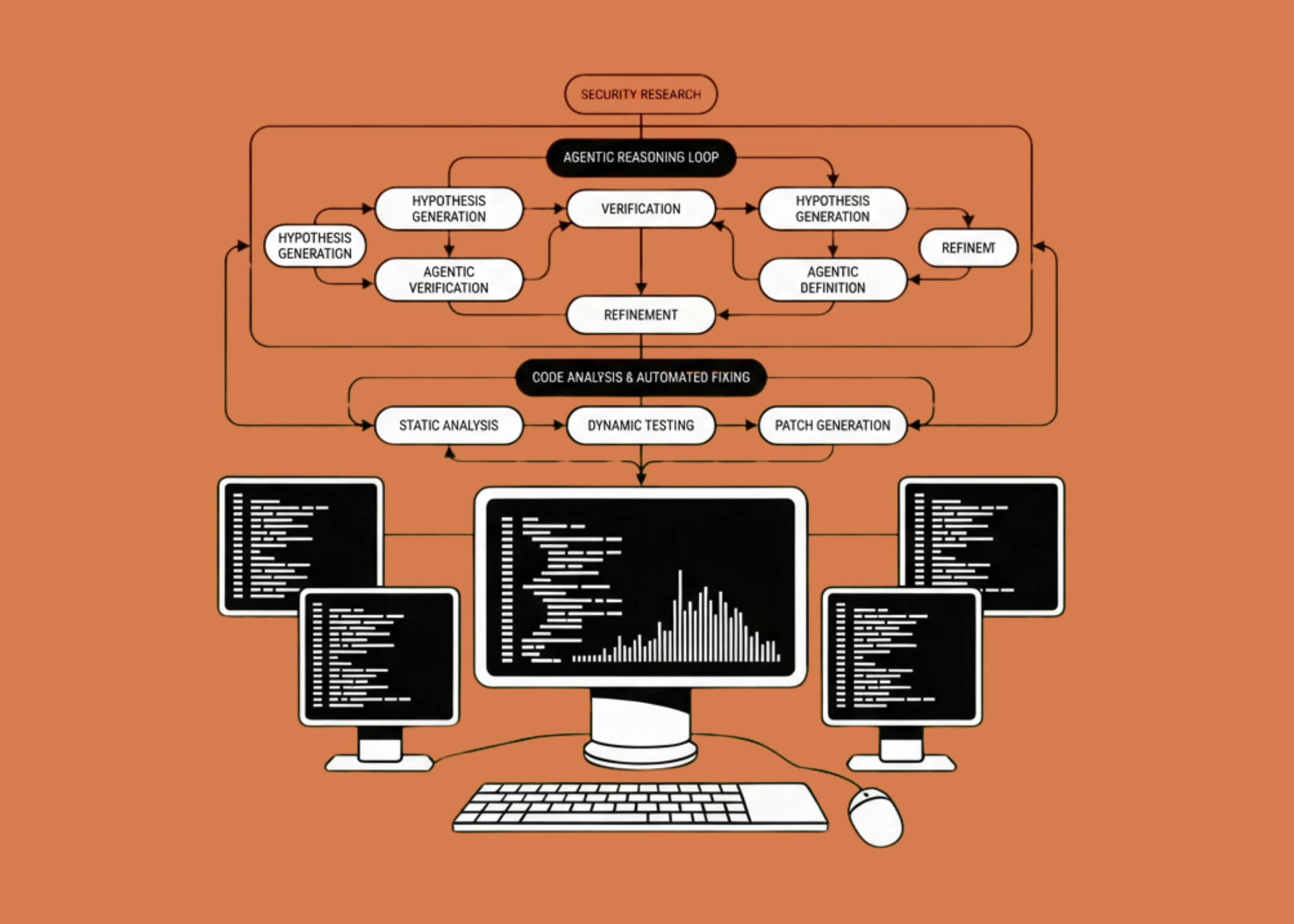
The concept of agentic AI is gaining traction, particularly as developers seek tools that not only automate tasks but also exhibit a deeper understanding of context and complexity. Anthropic's recent introduction of Claude Code’s advanced code review capabilities is a prime example. By utilizing multi-step reasoning loops, Claude Code is designed to go beyond mere syntax checking, allowing it to identify and mitigate potential issues in a more human-like manner. This shift signifies a departure from traditional static analysis tools, pushing the boundaries of what AI can achieve in the software development realm.
Moreover, OpenAI's acquisition of Promptfoo underscores the growing importance of security in AI applications. As businesses increasingly integrate AI into their workflows, the need for robust security measures becomes paramount. Promptfoo's technology aims to help enterprises navigate vulnerabilities during the development phase, ensuring that AI systems are both effective and secure. Together, these developments highlight a broader trend: the evolution of AI from simple task executors to intelligent collaborators capable of complex reasoning and adaptive learning.
Teaching AI to Think Like Humans: The Bayesian Approach
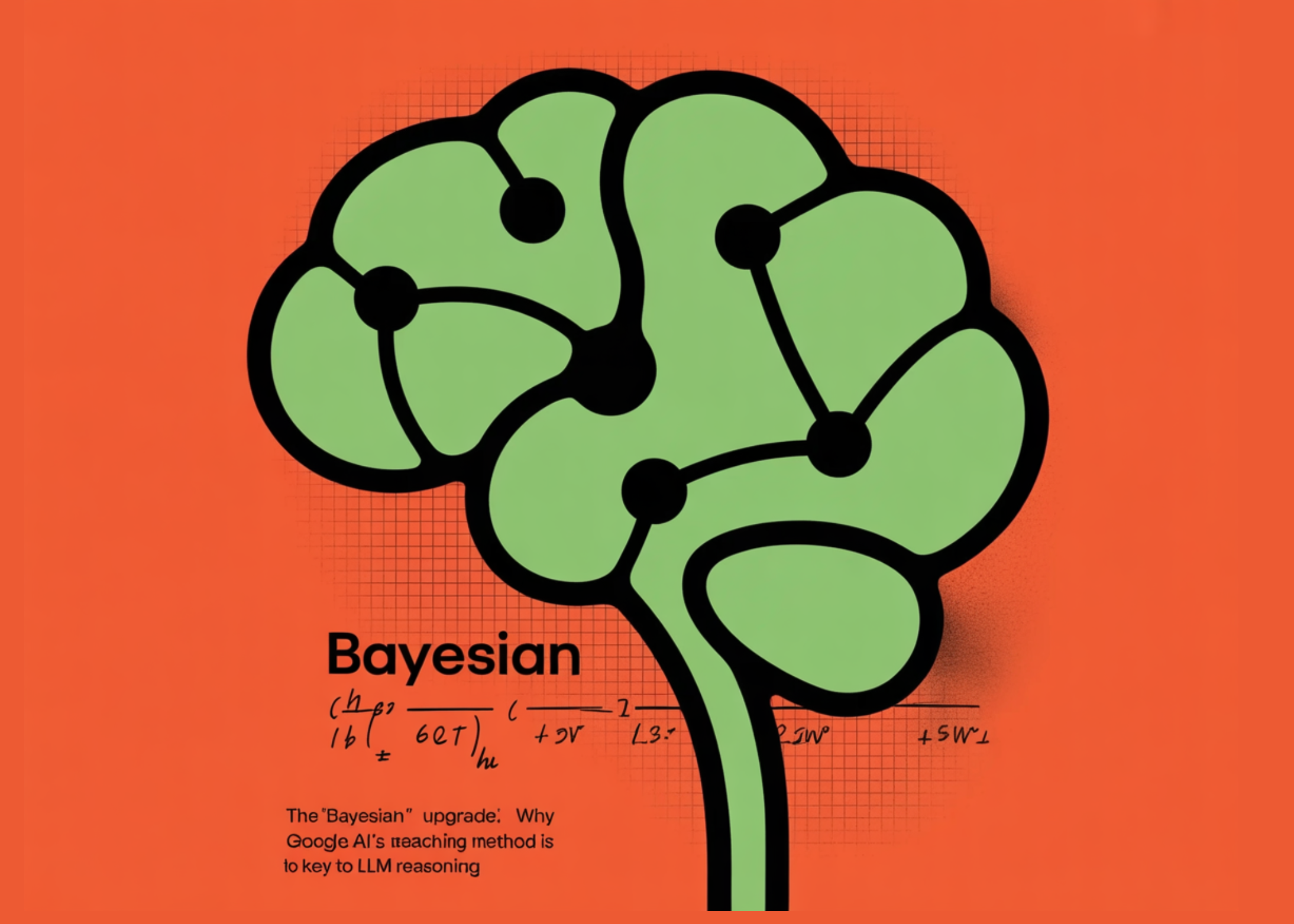
Google AI's new Bayesian teaching method represents a significant leap in the quest for better large language models (LLMs). Unlike traditional methods that focus on delivering answers, this approach encourages models to update their beliefs based on new evidence, mimicking human-like reasoning. This is particularly critical in interactive applications where understanding user preferences and adapting responses over time can dramatically enhance user experience.
The research indicates that while current models like GPT-4.1 Mini can perform tasks, they often plateau after initial interactions. By employing Bayesian reasoning, AI systems can continuously learn and improve, potentially transforming how we interact with technology. This approach not only addresses the limitations of existing models but also opens the door to more dynamic and responsive AI applications in fields ranging from customer service to healthcare.
AI in Industry: A Catalyst for Revenue and Efficiency

As we delve deeper into 2026, the impact of AI on various industries cannot be overstated. NVIDIA's latest reports highlight how AI adoption is driving revenue growth, cutting costs, and boosting productivity across sectors. From retail to healthcare, businesses are leveraging AI to streamline operations and enhance customer experiences, indicating that AI is becoming not just a tool, but a vital component of modern business strategy.
Furthermore, the integration of AI into manufacturing, exemplified by ABB Robotics' use of NVIDIA's Omniverse, showcases how digital twins and simulations can significantly reduce deployment costs and time to market. As AI continues to mature, its applications are expanding, proving that organizations willing to embrace these technologies are not only enhancing their operational capabilities but are also positioning themselves for sustained success in a competitive landscape.
The increase in autonomy of Claude Code's capabilities for code reviews, showcasing significant advancements in agentic AI.
출처The lead-to-qualified-opportunity conversion rate increase attributed to the implementation of LangChain’s GTM agent.
출처The reduction in deployment costs for ABB Robotics by integrating NVIDIA Omniverse, enhancing industrial AI applications.
출처OpenAI to Acquire Promptfoo
OpenAI's acquisition of Promptfoo signifies a strategic move towards enhancing AI security capabilities. As enterprises deploy AI more extensively, the need for security testing and vulnerability assessment becomes critical. Promptfoo's tools are already trusted by Fortune 500 companies, and integrating this technology into OpenAI Frontier could greatly improve how organizations manage AI projects, ensuring they are both effective and secure.
How AI Is Driving Revenue, Cutting Costs and Boosting Productivity for Every Industry in 2026
NVIDIA's annual State of AI report reveals that AI adoption is not only increasing but also becoming essential for business operations across various sectors. The report emphasizes the significant ROI companies are achieving through AI, highlighting its role in driving productivity gains while simultaneously reducing operational costs. As AI technologies continue to evolve, they are reshaping the future of industry.
- Write C Code Without Writing C: The Magic of PythoCPythoC allows developers to write C programs using Python syntax, merging ease of use with low-level control. — Towards Data Science
- Machine Learning at Scale: Managing More Than One Model in ProductionInsights on managing multiple machine learning models in production and the challenges involved. — Towards Data Science
- Granite 4.0 1B Speech: Compact, Multilingual, and Built for the EdgeIBM's Granite 4.0 model delivers efficient speech recognition and translation capabilities for resource-constrained devices. — Hugging Face
- Run NVIDIA Nemotron 3 Nano as a fully managed serverless model on Amazon BedrockNVIDIA's Nemotron 3 Nano is now available as a serverless model, enhancing generative AI applications through Amazon Bedrock. — AWS
- Perhaps not Boring Technology after allA look into the evolving impact of LLMs on technology choices and their effectiveness across different programming environments. — Simon Willison
이번 호가 도움이 되었나요?
클릭 한 번이면 다음 호에 반영됩니다.