 オープンソース· · 2分
Swift’s Networking Workgroup Launches.
Today's tech landscape is buzzing with exciting developments in open source and programming languages. From new group initiatives in Swift to the rise of open-source-first policies in the EU, there's a lot to unpack. Let's dive into the highlights that matter.
Swift’s Networking Workgroup Launches
The Swift Ecosystem Steering Group has kicked off a new Networking Workgroup. Their mission? To revolutionize networking libraries and APIs in Swift, making them safe, modular, and interoperable across platforms.
This initiative builds on existing libraries like SwiftNIO and AsyncHTTPClient. It's all about creating a unified networking stack that enhances developer experience and efficiency.
Canada’s National Open Source Library

The Linux Association of Canada has unveiled a national open-source library. This initiative aims to bolster digital sovereignty by promoting homegrown software alternatives.
With 25 projects already listed, the library encourages submissions from the community. It’s a significant move to reduce reliance on foreign tech and empower local developers.
Microsoft’s Open Source Push with WinUI
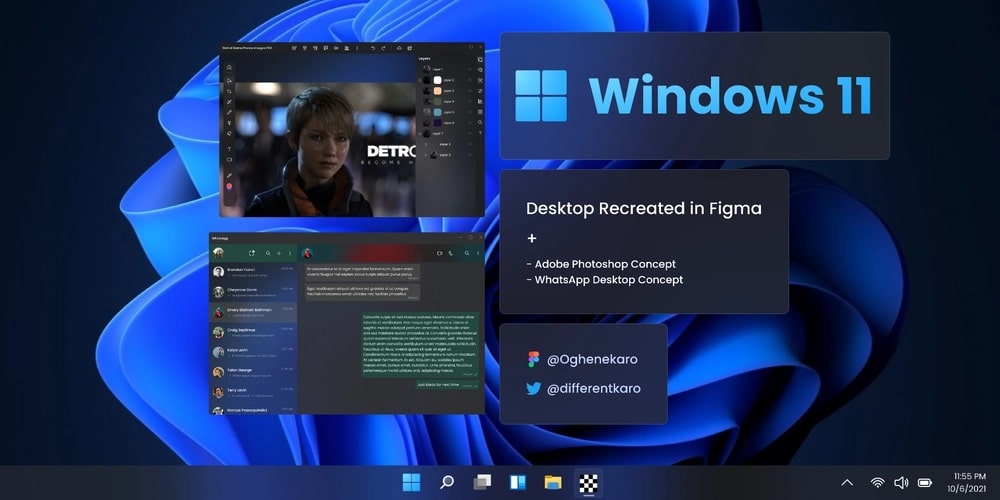
Microsoft is taking a big step by making WinUI more open source. This shift signals a commitment to community-driven development as they work towards a faster, more native Windows 11 experience.
The introduction of Microsoft UI Reactor will streamline app development, enabling a more modern approach without the complexities of XAML.
Pluto.jl Achieves 1.0 for Reproducible Research

Pluto.jl has hit version 1.0, marking a significant milestone for Julia users focused on reproducible research workflows. This release offers a stable API designed to tackle issues that plague traditional notebooks.
By employing a dependency-graph architecture, Pluto ensures that code execution is clean and predictable, enhancing research reliability.
Cloudflare Acquires VoidZero, Keeps Vite Open
Cloudflare's acquisition of VoidZero will keep the popular Vite ecosystem vendor-neutral. They're also launching a $1 million fund to support open-source maintainers and contributors.
Open-Weight LLM Enables Autonomous AI Worm
Researchers at the University of Toronto have created a self-replicating AI worm using an open-weight LLM. This malware adapts its attacks and operates without relying on commercial AI services.
- Fedora 43 Upgrade Reveals 20-Year-Old Outlook BugFedora 43 exposed a serious 20-year-old bug in Outlook that allowed unencrypted email connections. — Fedora Magazine
- Zig Isn’t 1.0 (Yet)Zig creator Andrew Kelley discusses the reasons behind the delay in the language's 1.0 release. — JetBrains
- SONiC: The Future of AI Networking, Says DellDell touts SONiC as the future of AI networking, comparing its potential to that of Linux in server environments. — Open Source for You
- Java Annotated Monthly – June 2026The latest edition of Java Annotated Monthly is out, featuring essential news and updates in Java and Kotlin. — JetBrains
- Akashdeep Dhar: Flock and Fedora CommunityAkashdeep Dhar shares insights on the importance of community at Flock and its impact on Fedora's development. — Fedora Magazine
この号は役に立ちましたか?
ワンクリックで次号の改善に役立ちます。