 オープンソース· · 2分
Cutting Costs with Open Source.
Today's tech buzz is all about the shift towards open-source solutions in AI, as companies scramble to cut costs and improve efficiency. From Netflix's latest tool to Volkswagen's API shake-up, innovation is buzzing in the open-source landscape. It's a pivotal moment for developers and enterprises alike.
Cutting Costs with Open Source

AI companies are ditching expensive third-party APIs for open-source alternatives. Cursor and Netflix lead the charge with tools designed to slash token costs and improve margins. Netflix's Project Headroom has already saved users $700,000 by optimizing LLM context usage.
The trend reflects a broader shift: as the 'token tax' burdens budgets, open-source models are positioned as viable solutions. Expect more firms to explore these options to stay competitive in the evolving AI landscape.
Open Source on the Rise

From NAVER Cloud's partnership with NVIDIA to Tether's implementation of Google's TurboQuant, open-source solutions are gaining traction. NAVER's use of Nemotron 3 Ultra is set to enhance AI infrastructure capabilities, while Tether's TurboQuant allows advanced models to run on local devices with reduced memory needs.
These developments underscore a growing recognition of the power of open source in driving AI innovation. Expect to see more companies embracing open-source models as they seek to optimize performance and reduce dependence on traditional cloud services.
Security Concerns in Open Source
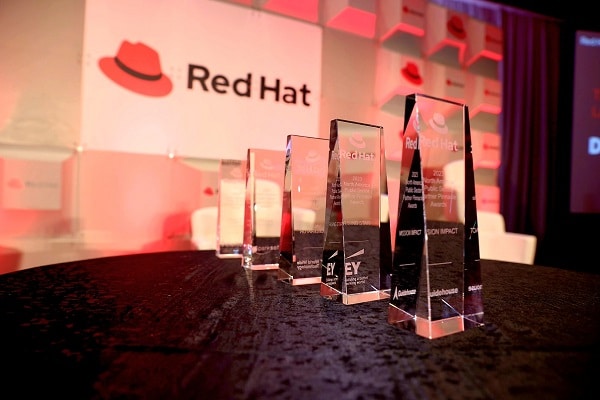
Recent attacks highlight the vulnerabilities in the open-source ecosystem. Over 30 Red Hat npm packages were compromised due to a hijacked developer account, revealing the risks of supply chain attacks. As open-source software continues to proliferate, security measures must evolve to keep pace with these threats.
Moreover, Anthropic's Project Glasswing has discovered over 10,000 critical vulnerabilities, emphasizing the urgent need for better patching strategies. The open-source community must prioritize security to maintain trust and reliability in its software solutions.
AI Companies Look To Open Source As Token Costs Climb
As the AI 'token tax' escalates, companies are pivoting to open-source models to cut costs. Cursor's use of Kimi and Netflix's Project Headroom exemplify this trend.
GitHub Trusted Publishing Bypassed In Red Hat npm Attack
A supply chain attack compromised 30 Red Hat npm packages, highlighting the risks facing open-source software. Attackers bypassed GitHub's trusted publishing mechanism using a stolen account.
IBM Joins Project Glasswing Amid 10,000+ Flaw Discovery
IBM joins Anthropic’s Project Glasswing, which revealed over 10,000 critical vulnerabilities across open-source software. The initiative seeks to bolster security measures in the community.
- Volkswagen API Shake-Up Triggers EU Data Act QuestionsVolkswagen's API changes disrupt open-source EV charging tools, raising data ownership and interoperability concerns. — Open Source For You
- Flathub Bans AI Submissions Across Flatpak ReposFlathub's ban on AI-assisted submissions sparks debate over its impact on open-source developers. — Open Source For You
- MiniMax Challenges AI Rivals With M3 But Stops Short Of Full Open Source CommitmentMiniMax has launched the M3 coding model, but key components remain unreleased, highlighting the rift in open-source commitments. — Open Source For You
- Launching the Rust Foundation Maintainers FundThe Rust Foundation announces a new fund to support maintainers and ensure the sustainability of the Rust project. — Rust Blog
- Visual Studio Code 1.123The latest update of Visual Studio Code introduces several new features and improvements. — Visual Studio Code
- Toolbox App 3.5: Better Remote Development ObservabilityJetBrains Toolbox App 3.5 enhances remote development experience with new observability features. — JetBrains Blog
- Stop Pasting Tokens: OAuth2 Login for JetBrains IDE PluginsNew OAuth2 login flow for JetBrains IDE plugins simplifies authentication and improves security. — JetBrains Blog
この号は役に立ちましたか?
ワンクリックで次号の改善に役立ちます。