 エンジニアリング· · 3分
The AI Industrial Revolution: Opportunities and Ethical Quagmires.
Today’s tech landscape is buzzing with innovation and controversy, straddling the fine line between advancements in AI and the ethical dilemmas they provoke. From the intriguing rise of edge AI applications to the complex discussions around software licensing and intellectual property, the news paints a picture of an industry in flux. As developers embrace new tools and methodologies, the conversation around the implications of AI on traditional practices has never been more relevant.
The AI Industrial Revolution: Opportunities and Ethical Quagmires

As AI continues to weave itself into the fabric of software development, its influence is both profound and unsettling. Articles like 'The L in "LLM" Stands for Lying' critique the overhyped claims surrounding AI's capabilities, emphasizing the growing skepticism among developers about the actual utility of AI in their daily workflows. Meanwhile, GitHub's data illustrates how AI tools are reshaping language choices, with TypeScript emerging as the most-used language due to the frictionless experience AI provides. This shift not only reflects changing preferences but also raises questions about the long-term implications for coding skills and software quality.
Furthermore, the edge AI revolution is heralded by Nvidia's PersonaPlex 7B, which promises lower latency and enhanced privacy for speech-to-speech applications. However, it also introduces a new set of reliability challenges that developers must navigate. As these technologies evolve, the industry must grapple with the ethical ramifications of deploying AI in production environments, particularly in terms of user privacy and data security.
Licensing and the AI Dilemma: The Legal Minefield
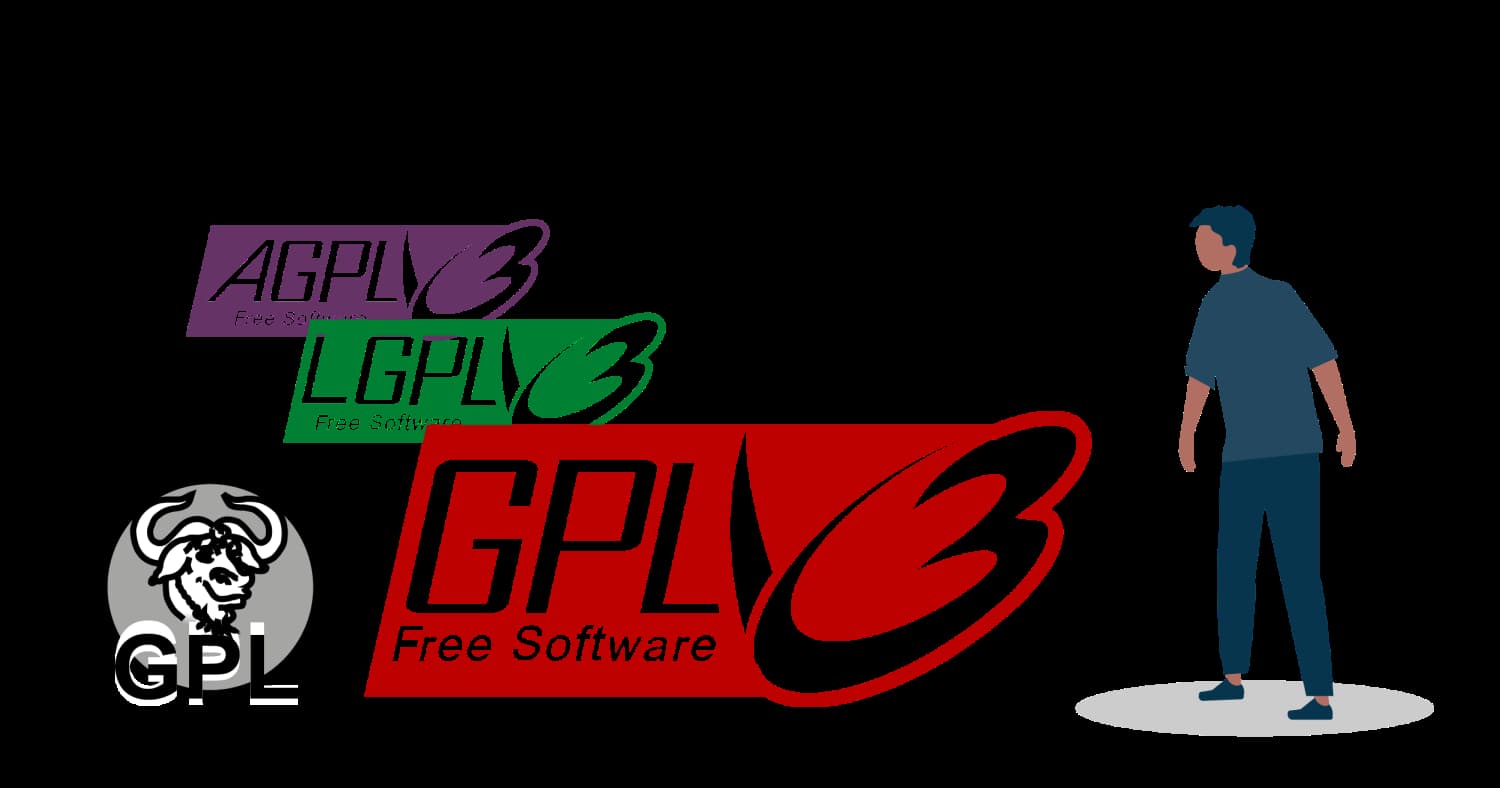
The recent case of chardet's relicensing from LGPL to MIT showcases the legal complexities that arise when AI-assisted rewrites blur the lines of intellectual property. As maintainers of the project utilized AI tools to rewrite the codebase, they faced backlash from the original author, highlighting the precarious balance between innovation and copyright law. This scenario underscores a larger trend where the very tools that drive progress may inadvertently lead to legal entanglements that could stifle creativity and collaboration in open source.
This legal quandary is further compounded by the ongoing debate on AI-generated content and copyright ownership. As AI tools proliferate, the industry must address how traditional licensing structures can adapt to accommodate these new technologies, ensuring that contributors are protected while fostering an environment of innovation and collaboration.
Navigating the Future of Software Development

In the realm of software engineering, articles discussing the importance of automated code reviews and proper validation in Terraform modules reveal a growing acknowledgment of the need for efficiency and reliability in code quality. With AI-assisted tools accelerating code generation, the bottleneck in code reviews is becoming a pressing issue. The implementation of automated reviews promises to alleviate this concern, enabling developers to focus on architectural decisions rather than getting bogged down in minutiae.
As we move forward, the rise of tools like Poppy, which helps maintain personal relationships through gentle reminders, reflects a broader trend towards integrating technology into everyday life in more meaningful ways. These tools not only enhance productivity but also encourage a more intentional approach to our interactions, whether in professional settings or personal relationships.
This figure represents the proportion of all code that is now AI-assisted, highlighting the significant shift towards AI in software development.
出典TypeScript's year-over-year growth indicates its increasing dominance as the most popular programming language on GitHub, driven by AI tools.
出典The estimated annual cost of poor software quality in the U.S., illustrating the urgent need for improved code review processes.
出典Automated Code Review: Benefits, Tools & Implementation (2026 Guide)
As AI coding tools proliferate, the paradox of increased individual developer speed versus organizational throughput emerges, with code reviews becoming the new bottleneck. This guide explores how automated reviews can transform the review process from a hindrance to a competitive advantage, potentially saving organizations billions in costs due to poor software quality.
GitHub Data Shows AI Tools Creating 'Convenience Loops' That Reshape Developer Language Choices
GitHub's latest data reveals that AI tools are not just speeding up the coding process but also influencing developers' language preferences, with TypeScript's usage soaring. This trend suggests that as AI makes certain technologies feel more accessible, developers are likely to gravitate towards them, creating feedback loops that shape the programming landscape.
- Nvidia PersonaPlex 7B on Apple Silicon: Full-Duplex Speech-to-Speech in SwiftNvidia's latest AI model runs full-duplex speech-to-speech applications on Apple Silicon, showcasing advanced capabilities in edge computing. — Ivan Digital
- Relicensing with AI-Assisted RewriteThe maintainers of the chardet project have restructured their licensing using AI tools, provoking debate over copyright implications. — Tuan Anh
- Smalltalk's Browser: Unbeatable, yet Not EnoughAn exploration of Smalltalk's enduring browser model and its implications for modern IDE design. — Lorenzano
- Is SaaS Dead?A critical look at the evolving landscape of SaaS, suggesting it's not dead but undergoing significant transformation. — Dev.to
- What if we extracted literally EVERY behavior of dev.to into Markdown?An experiment in using AI to document every behavior of a codebase in Markdown, aiming to improve clarity and traceability. — Dev.to
この号は役に立ちましたか?
ワンクリックで次号の改善に役立ちます。