 新興テック· · 2分
Biology Meets Society.
Today's tech news is buzzing with breakthroughs in biology, space exploration, and environmental science. From innovative pacemakers to ancient rock art, the intersection of technology and discovery is pushing boundaries and altering perceptions. Let's dive into the highlights!
Biology Meets Society

A Q&A reveals a gap in biology education: most guidelines overlook societal connections. Researchers argue for a curriculum that bridges biology concepts with real-world issues, enhancing student engagement and retention.
This approach could transform how future biologists view their roles in society, emphasizing the importance of context in scientific education.
Space Explorations and Innovations
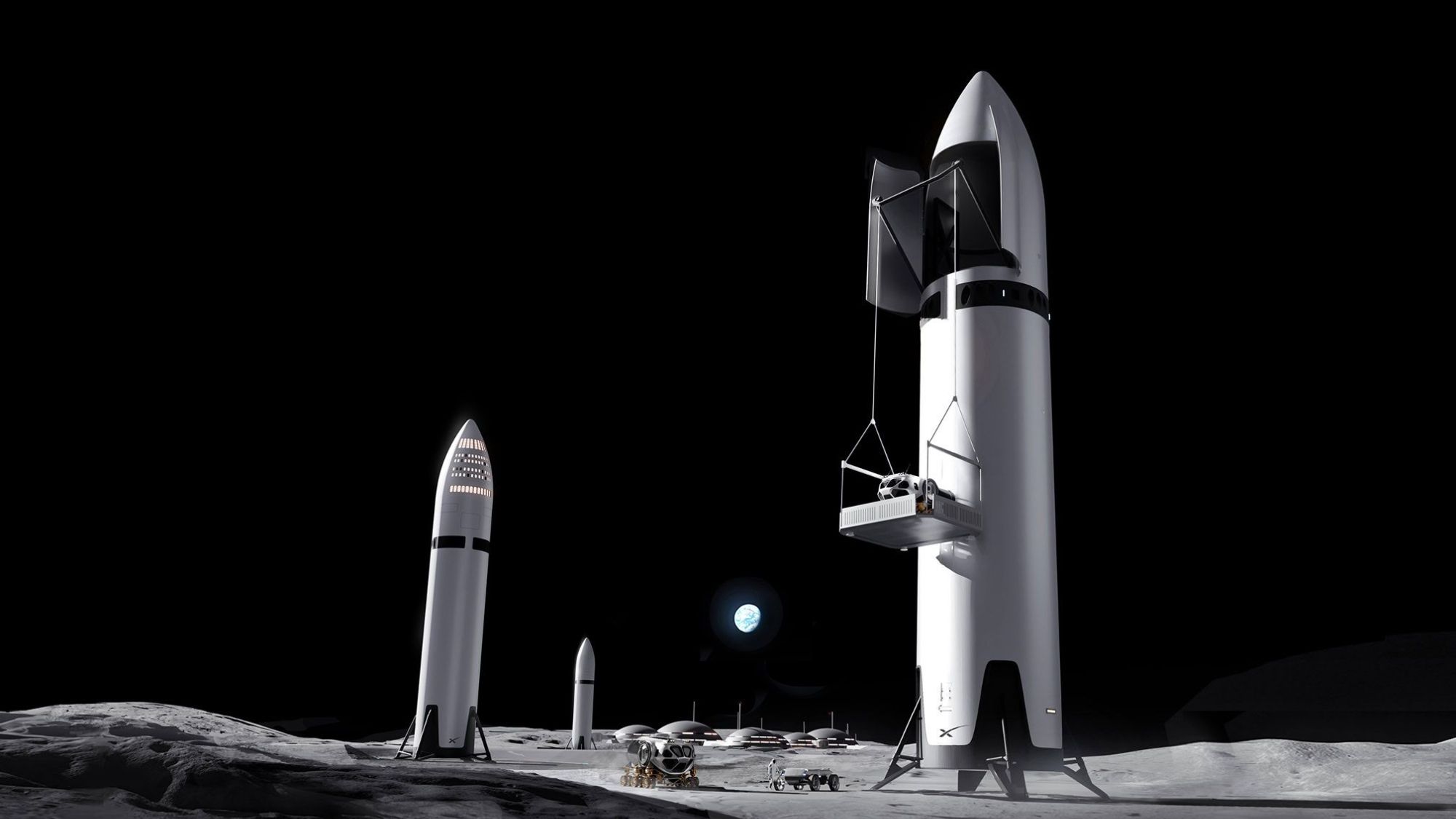
A new propulsion system could revolutionize tiny satellites, making them faster and more fuel-efficient. This is crucial as space missions become more frequent and ambitious.
Meanwhile, SpaceX is set for a historic IPO, potentially reshaping the future of space travel. Experts are weighing in on whether this will shift their focus from launching to broader space ventures.
Environmental Insights

New research shows that biodiversity offsetting can effectively support pollinators, highlighting the balance between development and conservation. Newly created grasslands are proving to be beneficial for wild bees.
Also, a study suggests that fine-tuning policies can preserve wetlands while allowing for economic growth, presenting a more nuanced approach to environmental protection.
Health Innovations
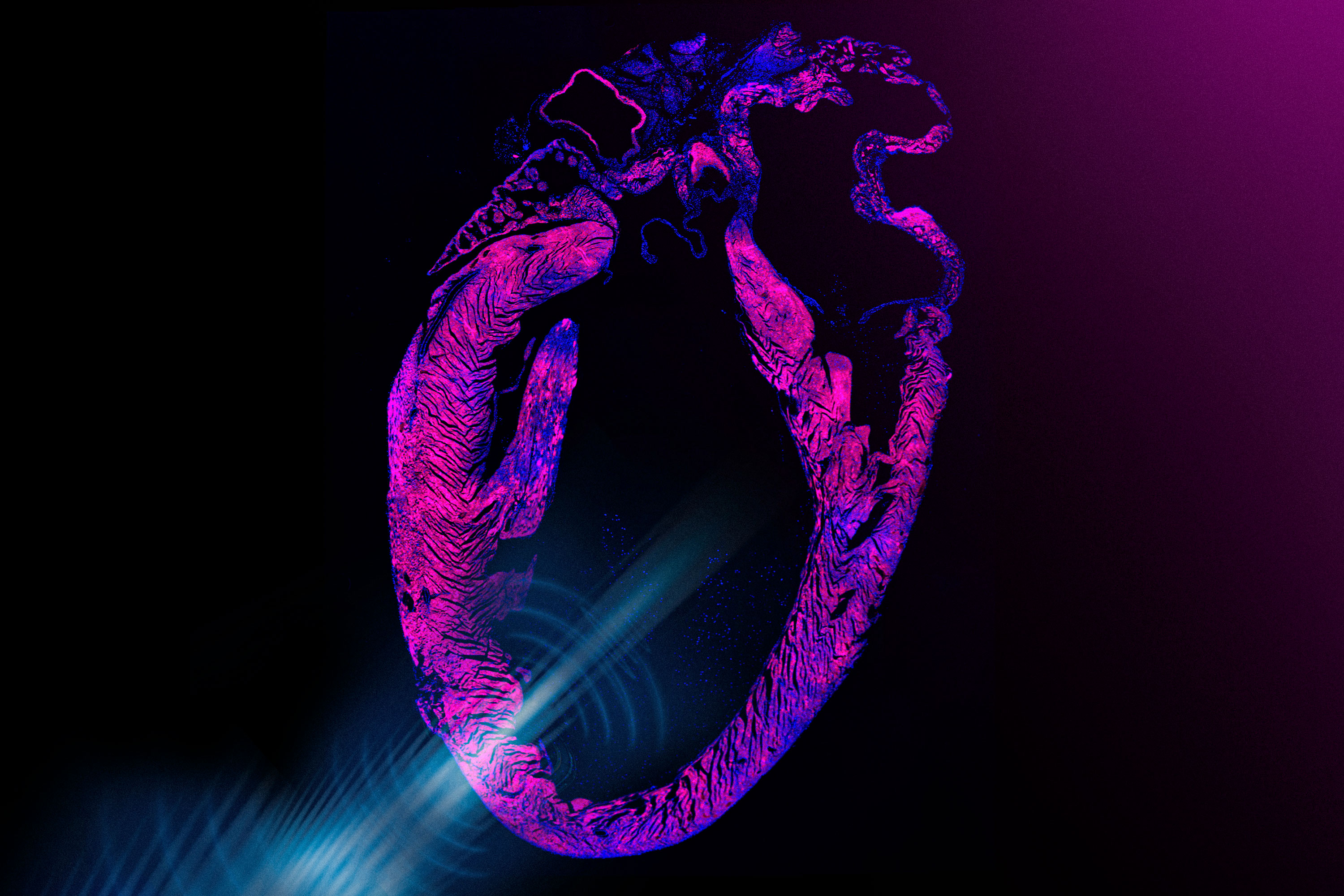
MIT engineers have developed a noninvasive ultrasound-based pacemaker, offering an exciting alternative to traditional cardiac implants. This could change how we approach heart health management.
In transplant news, the first successful transplant of pig kidneys and liver into a person raises hopes for addressing organ shortages, marking a significant milestone in xenotransplantation.
Survey shows little shift in Americans' views on political violence
A recent survey reveals that views on political violence in the U.S. remain largely unchanged despite rising tensions. This stability suggests a complex relationship between political context and public opinion.
First pig liver and kidneys transplanted into a person — strategy could ease organ shortages
A groundbreaking procedure has successfully transplanted pig organs into a human, marking a significant advance in xenotransplantation. This could provide new avenues for addressing organ shortages.
- Molecular glasses solve long-standing Arrhenius paradoxNew insights into molecular glasses provide clarity on the Arrhenius paradox, which could influence various fields including pharmaceuticals and electronics. — Phys.org
- Strange winds on seven hot Jupiters reveal strongest signs yet of exoplanet magnetic activityAstronomers have discovered significant magnetic activity on exoplanets, reshaping our understanding of planetary atmospheres. — ESO
- Making climate-neutral plastics and cosmetics using bacteriaResearchers are developing bacteria to create sustainable chemical materials, aiming to reduce reliance on fossil fuels. — Charité - Universitätsmedizin Berlin
- Power imbalances in adviser–student relationships need safeguardingCalls for better safeguarding in academic relationships to prevent exploitation and foster healthier environments. — Nature
- Daily briefing: What it will take to stop the spiralling Ebola outbreakExperts weigh in on measures needed to combat the latest Ebola outbreak, emphasizing the need for improved testing and community trust. — Nature
この号は役に立ちましたか?
ワンクリックで次号の改善に役立ちます。