 新興テック· · 2分
AI's Creative Boost.
Today’s tech highlights blend groundbreaking advancements in AI, space exploration, and health innovations. From turning plastic waste into Parkinson's drugs to the discovery of a bizarre magma planet, there's plenty to marvel at. Let’s dive in.
AI's Creative Boost

AI isn't just a threat to jobs; it's becoming a creative partner. A study from Swansea University shows AI can enhance human creativity during design tasks, making collaboration more engaging and fruitful.
This twist on AI's role might change how we think about human-machine interaction. Instead of automation, we’re looking at inspiration and deeper exploration of ideas.
Turning Waste into Medicine
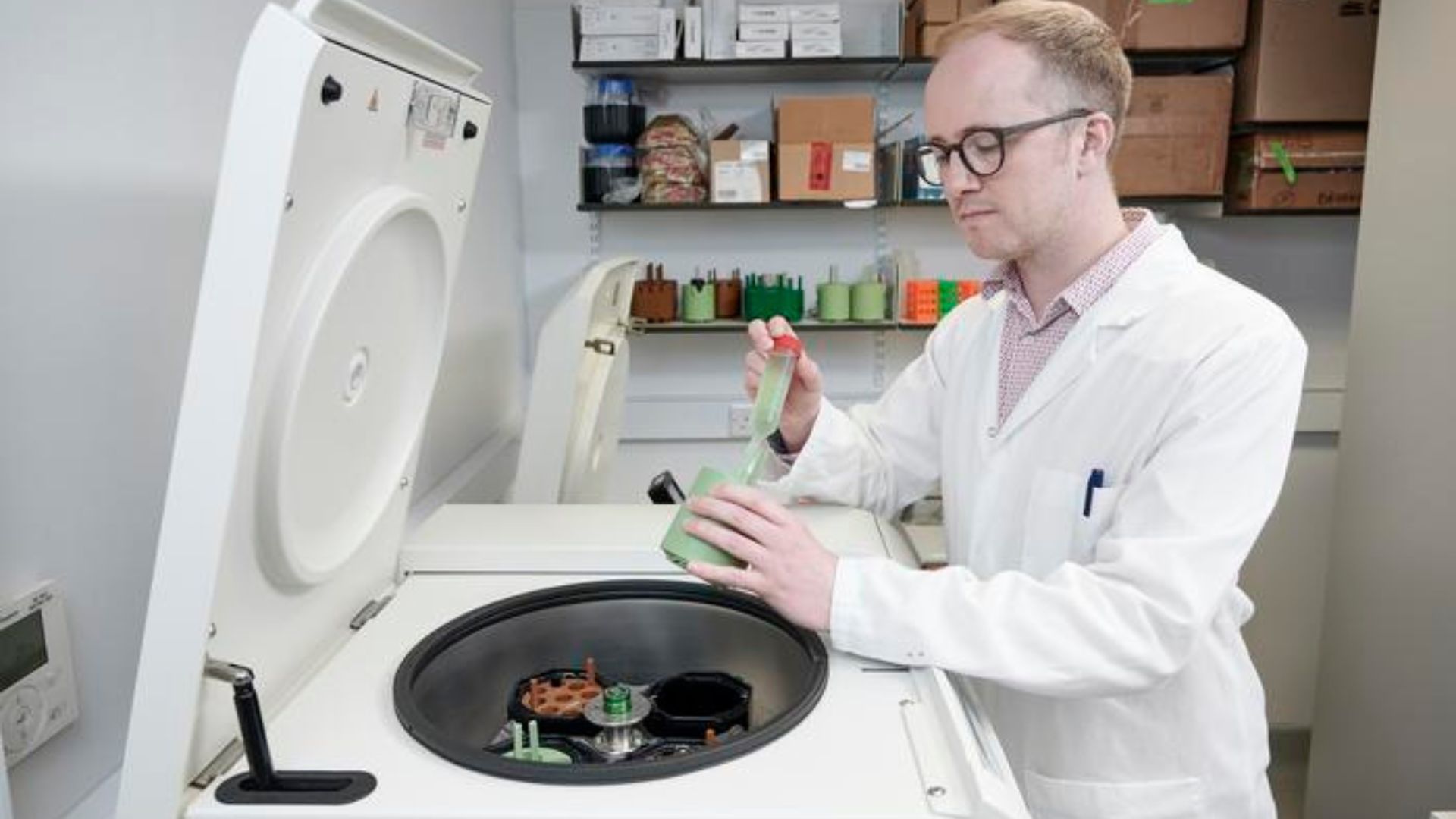
Researchers have found a way to convert plastic waste into L-DOPA, a drug for Parkinson's disease, using engineered bacteria. This breakthrough could help tackle two major issues: plastic waste and neurological disorders.
It’s a first-of-its-kind approach that showcases the potential of bioengineering in addressing pressing health challenges while promoting sustainability.
Discovering New Worlds

Astronomers have identified a new class of exoplanet with a permanent ocean of magma, rich in sulfur. The planet, L 98-59 d, is a mere 35 light-years away and challenges our understanding of planetary formation.
This discovery, aided by the Webb Telescope, could redefine how we categorize planets beyond our solar system. It’s a fresh reminder of the endless mysteries in our universe.
Revolutionizing Medical Manufacturing

Kistler and ATS have launched a high-speed medical device assembly line that offers real-time quality monitoring. This innovation aims to enhance scalability in production while ensuring compliance and minimizing waste.
As the demand for medical devices grows, such technological advancements could set new standards in manufacturing efficiency and reliability.
Teleoperation Breakthroughs
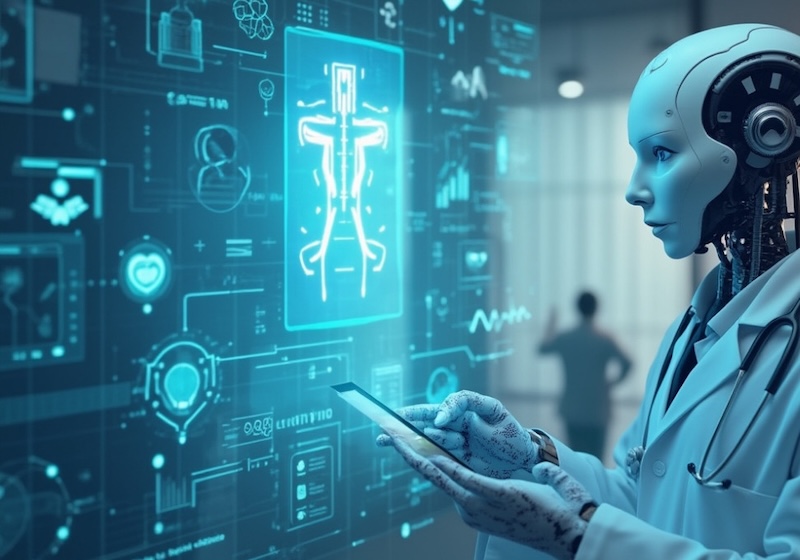
NTT DoCoMo and Keio University have achieved the first stable robot teleoperation via commercial 5G. This technology enables precise remote control of robots, crucial for applications in healthcare and disaster response.
Lower latency and enhanced feedback could make teleoperated robots more effective in sensitive tasks, paving the way for their broader use in various sectors.
AI Solves a 100-Year-Old Physics Problem
THOR AI framework solves complex physics calculations in seconds instead of weeks. This could accelerate breakthroughs in materials science and chemistry.
New Sensor Detects Pneumonia from Breath
MIT's new sensor could lead to rapid diagnoses of pneumonia through breath analysis. It's a game-changer for point-of-care testing in respiratory diseases.
- China's Robot Schools Train HumanoidsChina opens schools to train humanoid robots for factory work. — Interesting Engineering
- Google Maps Introduces 3D RoutesGoogle Maps enhances navigation with 3D routes and clearer directions. — Extreme Tech
- UK Considers Minesweeping DronesThe UK is looking into deploying drones for minesweeping in strategic waters. — Interesting Engineering
- Missile Facility Expansion for ProductionA US missile integration facility expands to boost production capabilities. — Interesting Engineering
- New Deep Learning Framework for Recommender SystemsA novel framework addresses the cold-start problem in recommender systems. — Tech Xplore
この号は役に立ちましたか?
ワンクリックで次号の改善に役立ちます。