 新興テック· · 4分
Unlocking the Past: Insights from Ancient Ecosystems.
Today’s tech news showcases a fascinating intersection of biology, astronomy, and engineering, with breakthroughs that could redefine our understanding of the universe and our own bodies. From the exploration of ancient ecosystems preserved in amber to the development of innovative materials for energy and medicine, these stories highlight the relentless pursuit of knowledge and the creative strides being made across diverse scientific fields. As we delve into these advancements, the implications for the future of technology and sustainability become increasingly clear.
Unlocking the Past: Insights from Ancient Ecosystems

Fossilized amber is providing a window into the lives of Cretaceous ants, revealing their roles as pollinators, predators, and prey. This study illuminates the complexity of ancient ecosystems and raises questions about the interactions of species over time. The meticulous preservation of these tiny insects allows scientists to piece together a narrative of life that existed millions of years ago, reminding us that the past is often more intricate than we might assume.
Meanwhile, the discovery of 'selfish genes' potentially skewing the sex ratio in a Utah family highlights how genetic factors can influence human reproductive outcomes. This insight into human genetics not only adds a layer of complexity to our understanding of inheritance but also hints at the broader implications of genetic research in shaping future generations. The interplay between these stories reflects a growing trend in science towards uncovering hidden connections between genetics and ecological history.
Solar Innovations and Resilient Technologies
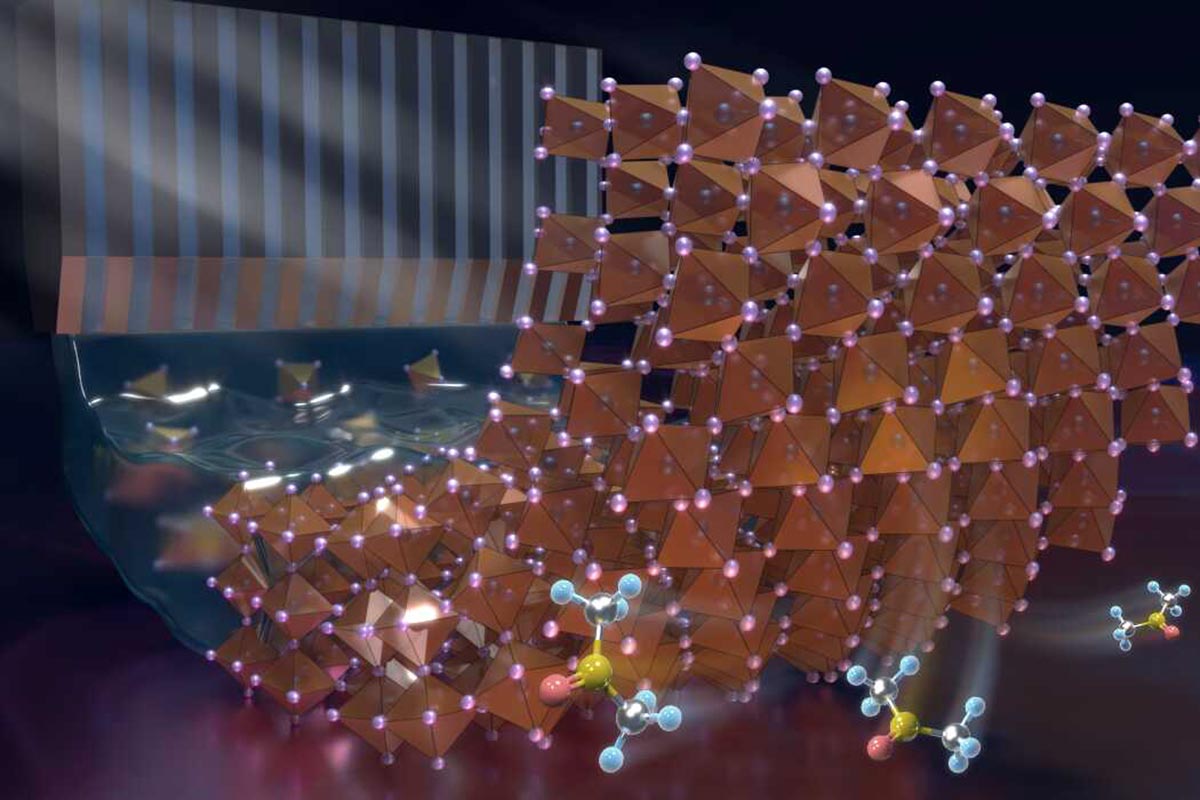
This week, researchers announced a pre-seeding strategy for improving inverted perovskite solar cells, a development that could enhance the efficiency and scalability of solar energy solutions. As the world grapples with climate change, advancements in solar technology are crucial for transitioning to renewable energy sources. The integration of new materials and processes may pave the way for more robust solar installations, providing a sustainable alternative to traditional energy systems.
In a related vein, scientists have made strides in addressing flaws in perovskite solar cells with tiny crystal seeds, indicating that the path toward high-efficiency solar technology is becoming clearer. These breakthroughs not only hold promise for cleaner energy but also showcase the innovative spirit driving material science forward, emphasizing the importance of ongoing research and collaboration in tackling global energy challenges.
Advancements in Medicine and Health

As we continue to understand the complexities of the human brain, recent findings reveal that prematurely aged astrocytes contribute significantly to the progression of Alzheimer’s disease. This new perspective offers hope for targeted therapies that could mitigate neurodegeneration by addressing the aging of these essential brain cells. The implications of this research could reshape treatment approaches for Alzheimer’s, signifying a pivotal moment in neurological health.
Additionally, a large-scale study of over a million infants has determined that vegan diets can support normal growth during early childhood, alleviating concerns for parents opting for plant-based nutrition. This research not only provides clarity for health-conscious families but also reflects a broader societal shift towards sustainable and ethical eating practices, further emphasizing the critical intersection of nutrition and child development.
Space Exploration and Earth Observation

NASA's Artemis 2 mission is projected to be delayed until late 2026 due to new analyses of solar superflares, which pose risks to astronauts and mission integrity. This delay underscores the importance of safety and preparedness in space exploration, particularly as we aim to establish a sustainable human presence on the Moon. Understanding solar activity is essential for planning future missions, highlighting the interplay between space science and mission success.
Simultaneously, the observation of Chesapeake Bay locked in ice due to extreme weather conditions offers a stark reminder of climate change's impact on our environment. As we witness more anomalies in weather patterns, the need for robust climate research and increased awareness of ecological changes grows ever more urgent. These narratives intertwine to emphasize how our exploration of space and our understanding of Earth are inextricably linked.
A recent study examined health records of over 1.2 million infants, finding that vegan diets can support normal growth.
出典NASA's Artemis 2 mission is now projected to launch no earlier than late 2026 due to safety concerns regarding solar activity.
出典The sex ratio in a Utah family has been skewed to twice as many boys as girls, potentially due to genetic factors, suggesting a 50% bias.
出典New Cellular Target Could Transform How We Treat Alzheimer’s Disease
Researchers have identified a new cellular target in astrocytes, which may play a significant role in the progression of Alzheimer's disease. This finding suggests that treatments targeting aging astrocytes could mitigate neurodegeneration, offering a promising avenue for future Alzheimer's therapies. Given the prevalence of Alzheimer’s, this could have a substantial impact on patient care and quality of life.
Scientists Fix a Hidden Flaw in Perovskite Solar Cells With Tiny Crystal Seeds
A new strategy using tiny crystal seeds has been developed to address defects in perovskite solar cells, which could enhance their efficiency and long-term stability. This breakthrough is crucial for making solar technology more viable for mass production, potentially accelerating the transition to renewable energy sources. As the world seeks sustainable solutions, such innovations are key.
Study of 1.2 Million Infants Reveals the Truth About Vegan Baby Diets
A comprehensive study involving 1.2 million infants indicates that vegan and vegetarian diets can support healthy growth in early childhood. This research provides reassurance to parents considering plant-based diets for their children and contributes to the broader discourse on nutrition and sustainability in modern diets. The results could influence dietary guidelines and parental choices globally.
- Fossil amber reveals the secret lives of Cretaceous antsTiny insects trapped in amber provide insights into their roles in ancient ecosystems. — Phys.org
- Chesapeake Bay Locked in IceNASA observes significant ice coverage in Chesapeake Bay due to extreme winter conditions. — NASA
- Designing a more resilient future for plants, from the cell upForay Bioscience is engineering plants to create new materials and protect endangered species. — MIT News
- Ultra-thin electronics to become more efficient with new defect detection techniqueA new technique improves the efficiency of ultra-thin electronics by identifying defects. — Interesting Engineering
- China’s lithium battery chemistry with fluorinated electrolyte can help make longer-range EVsChinese scientists have developed a new battery chemistry that promises to extend the range of electric vehicles. — Interesting Engineering
- New US truck patches up to 146 potholes per day using heated asphalt sprayA one-person truck can now patch potholes more efficiently, improving road maintenance. — Interesting Engineering
- Scientists develop new heat-resistant steel for next-gen nuclear reactorsRussian scientists have created a new type of steel designed for high-temperature environments in nuclear reactors. — Interesting Engineering
この号は役に立ちましたか?
ワンクリックで次号の改善に役立ちます。