 AI· · 2分
Nvidia's Bold Move with DLSS 5.
AI is evolving rapidly, with a focus on practical applications and security. From generative models to autonomous agents, there's a lot happening. Today matters because these innovations could reshape industries and enhance productivity.
Nvidia's Bold Move with DLSS 5

Nvidia just rolled out DLSS 5, a generative AI tool for enhancing graphics in real-time. This isn't just an upgrade; it's a potential game-changer for game developers looking to elevate photorealism. However, some developers are concerned about losing artistic control as the AI alters character designs and environments.
Early demos from major games showcase sharper visuals but also raise questions about maintaining artistic intent. It’s a fine balance between innovation and creativity.
AI Safety Takes Center Stage
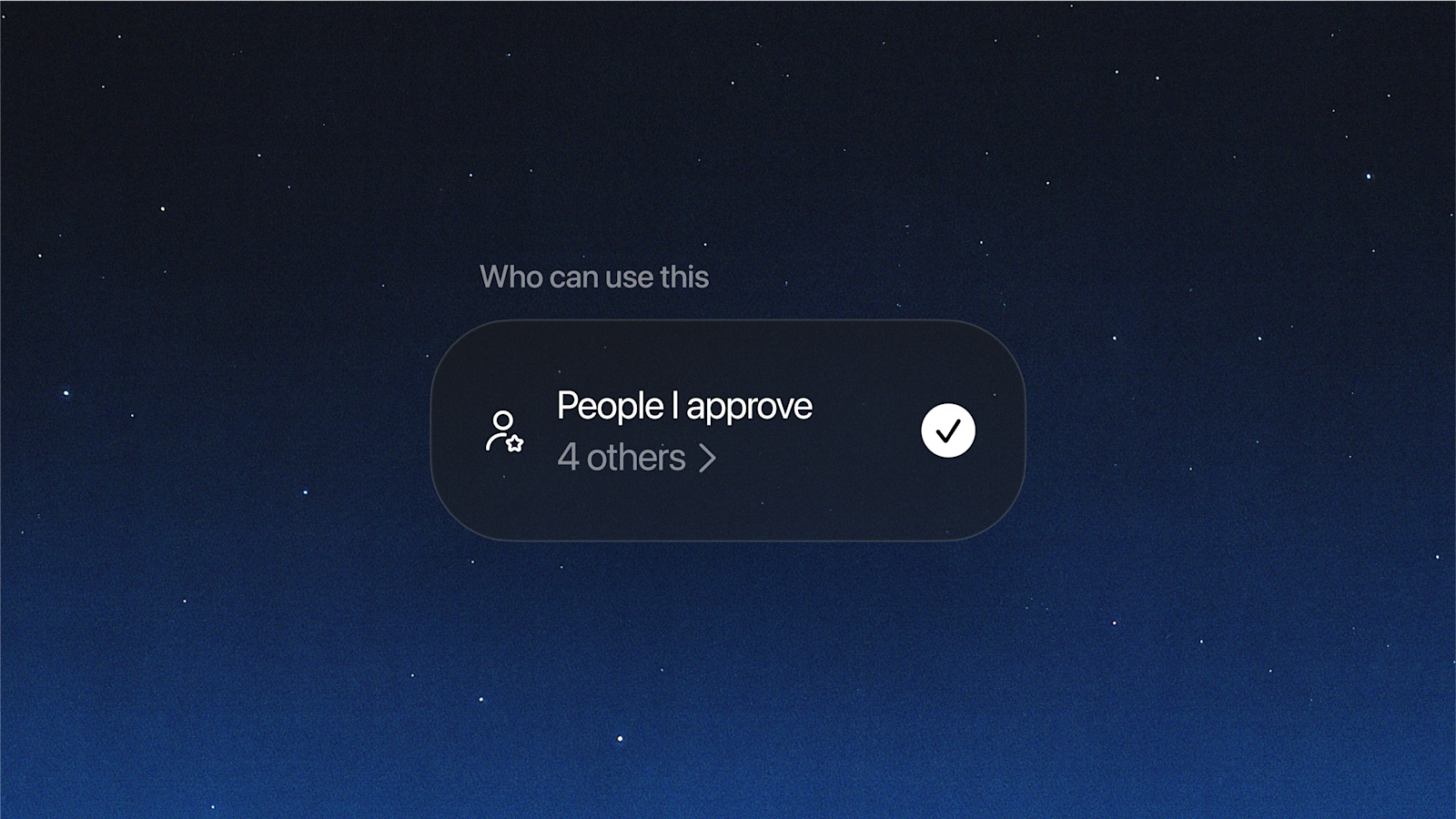
OpenAI's Sora platform is reinforcing safety measures in video generation. With features like provenance signals and strict moderation, it aims to protect users and their content.
As AI-generated content becomes more prevalent, ensuring ethical use is crucial. Sora's approach could set a standard for future AI applications.
Causal Inference: The New Frontier

Machine learning is embracing causal inference to avoid pitfalls in real-world applications. A recent case study showed that a model could predict readmissions accurately but failed because it missed key causal relationships.
Understanding causality could enhance the effectiveness of AI models in healthcare and beyond. It’s a shift from correlation to comprehension.
AI Agents and Security

NVIDIA's OpenShell is introducing a new level of security for autonomous AI agents. By isolating agents in a secure environment, it aims to prevent unauthorized access and data breaches.
As AI agents become more integrated into business operations, robust security measures will be essential to maintain trust and compliance.
A readmission-prediction model performed with high accuracy but failed in real-world application due to misunderstanding causal relationships.
出典The time it took to build PodClip, a podcast clipping app using vibe coding, demonstrating the power of modern coding tools.
出典The minimum prefix length required for activating prompt caching in the OpenAI API to save on costs.
出典How Reco Transforms Security Alerts Using Amazon Bedrock
Reco leverages Amazon Bedrock to turn raw security alerts into actionable insights. This integration streamlines security operations and enhances threat detection.
Meta AI’s New Hyperagents
Meta AI introduces Hyperagents, which enhance self-improvement through editable meta-level modifications. This could redefine AI learning paradigms.
- How to Speed Up Slow Python Code Even If You’re a BeginnerSimple techniques to optimize Python code performance, making your programs run faster with minimal effort. — KDnuggets
- 10 Best X (Twitter) Accounts to Follow for LLM UpdatesA curated list of essential X accounts for keeping up with the latest in LLM research and developments. — KDnuggets
- Implementing Deep Q-Learning (DQN) from Scratch Using RLax JAX HaikuA tutorial on building a DQN agent for reinforcement learning using modern libraries. — MarkTechPost
- Prompt Caching with the OpenAI API: A Full Hands-On Python tutorialLearn how to implement prompt caching with OpenAI's API for efficient AI app performance. — Towards Data Science
- How Autonomous AI Agents Become Secure by Design With NVIDIA OpenShellNVIDIA's OpenShell framework enhances security for autonomous AI agents by sandboxing their operations. — NVIDIA Blog
この号は役に立ちましたか?
ワンクリックで次号の改善に役立ちます。