 Sicurezza· · 2 min
Loblaw's Data Breach: What We Know.
Today’s cybersecurity world is buzzing with breaches, new tools, and critical vulnerabilities. From Loblaw’s customer data breach to Betterleaks stepping up as the new go-to secrets scanner, there’s a lot to unpack. It’s a reminder that in a digital age, security is more crucial than ever.
Loblaw's Data Breach: What We Know
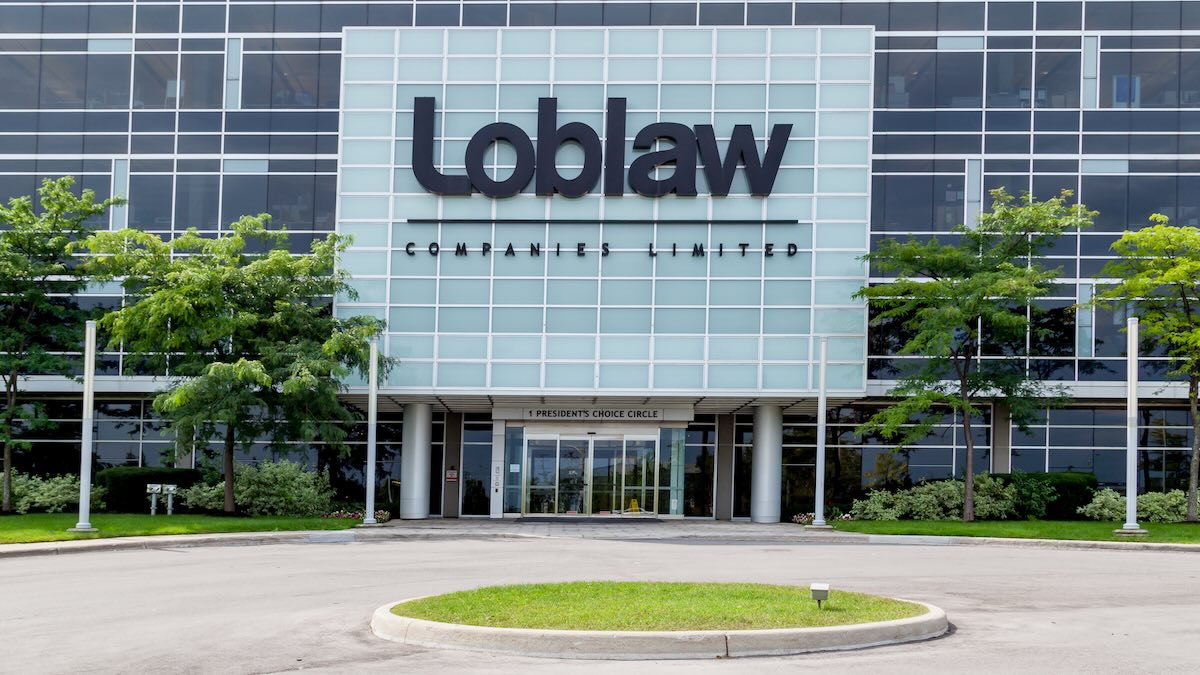
Loblaw, one of Canada’s biggest retailers, has confirmed a data breach affecting customer information. While sensitive data like passwords and credit card info remain safe, names and email addresses are out in the wild.
This comes at a time when trust in digital retailers is shaky. With no ransomware group claiming responsibility yet, the investigation continues. Keep an eye on this; customer trust is on the line.
Betterleaks: The Next-Gen Secrets Scanner

Enter Betterleaks, an open-source tool designed to replace Gitleaks. It scans directories and repositories for sensitive information that developers might accidentally expose.
With features fine-tuned for speed and accuracy, it’s a timely upgrade, especially as cyber threats evolve. If you’re into development, this tool is a must-try to secure your secrets.
Exploits on the Rise: OpenClaw and HPE Vulnerabilities
OpenClaw AI agents have been found with flaws that could lead to prompt injections and potential data exfiltration. It’s a wake-up call for developers using AI in sensitive areas.
On the enterprise side, HPE has a serious vulnerability that allows admin password resets on its AOS-CX switches. With a CVSS score of 9.8, this needs immediate attention from affected organizations.
Supply Chain Attacks: The AppsFlyer Incident

The AppsFlyer Web SDK was hijacked to spread crypto-stealing JavaScript, showcasing the dangers of supply-chain vulnerabilities. Thousands of apps using AppsFlyer are now at risk.
As more companies rely on SDKs for tracking, this incident highlights the need for tighter security measures. Always vet third-party services before integrating them.
Critical HPE AOS-CX Vulnerability Allows Admin Password Resets
HPE announced a critical vulnerability in its AOS-CX switches that allows remote password resets. This flaw could lead to serious security breaches if exploited, impacting numerous organizations.
AppsFlyer Web SDK hijacked to spread crypto-stealing JavaScript code
A hijack of the AppsFlyer Web SDK has introduced malicious code aimed at stealing cryptocurrency. The attack affects a multitude of applications, raising concerns over supply-chain security.
- Betterleaks, a new open-source secrets scanner to replace GitleaksBetterleaks is a new tool that scans for sensitive information in code, designed to enhance security for developers. — BleepingComputer
- OpenAI says ChatGPT ads are not rolling out globally for nowOpenAI clarifies that ChatGPT ads are still limited to the US, contrary to user speculation. — BleepingComputer
- Microsoft releases Windows 11 OOB hotpatch to fix RRAS RCE flawMicrosoft has released an urgent hotpatch for Windows 11 to fix a critical remote code execution flaw. — BleepingComputer
- GlassWorm Supply-Chain Attack Abuses 72 Open VSX Extensions to Target DevelopersA supply-chain attack has exploited multiple open-source extensions, putting developers at risk. — The Hacker News
Questa edizione ti è stata utile?
Basta un clic: orienta la prossima.