 Sicurezza· · 3 min
European Union Takes a Stand Against Phishing.
In today's cybersecurity landscape, the balance between user protection and the evolving tactics of cybercriminals is increasingly precarious. With the EU advocating for immediate refunds to phishing victims and hackers exploiting innovative technologies to bypass defenses, the stakes have never been higher. Meanwhile, the rise of AI assistants is both a boon for productivity and a potential minefield for security vulnerabilities. As we navigate these developments, it's clear that cybersecurity must adapt to keep pace with both threats and advancements.
European Union Takes a Stand Against Phishing

In a significant move for consumer protection, the Advocate General of the Court of Justice of the EU has recommended that banks must provide immediate refunds to phishing victims, regardless of the customer's negligence. This opinion stems from a case in Poland where a customer's encounter with a phishing scam led to unauthorized transactions. The ruling aligns with the EU Payment Services Directive, insisting that banks shoulder the responsibility of protecting customers against fraud, thus reinforcing the notion that financial institutions must prioritize user security over profit.
This decision could set a precedent not just within the EU, but globally, as it emphasizes the legal and moral obligation of banks to safeguard their clients. The implications are substantial: banks may need to enhance their security measures and invest in better fraud detection technologies to comply with this potential ruling, while also reevaluating their customer service protocols to handle such incidents more effectively.
Phishing Evolved: New Tactics from the Dark Side
Cybercriminals are continuously adapting their strategies to exploit vulnerabilities, and recent reports reveal a disturbing trend. Hackers are now leveraging the .arpa domain and IPv6 reverse DNS in phishing campaigns, effectively evading traditional email security measures. This shift not only complicates the detection of phishing attempts but also underscores the need for improved security protocols that can keep pace with such evolving tactics.
As organizations grapple with these sophisticated phishing methods, the urgency for robust cybersecurity solutions has never been clearer. The fact that threat actors are using infrastructure domains, which are not typically monitored for suspicious activity, challenges the existing paradigms of network security and demands a reevaluation of how organizations approach their defenses.
Exploited Vulnerabilities: Cisco's SD-WAN Under Fire

A recently identified vulnerability in Cisco's Catalyst SD-WAN has been exploited extensively, marking a worrying trend for organizations relying on this technology. Initially discovered as a zero-day, the vulnerability has now been linked to a wave of attacks that leverage previously known exploits to gain access to sensitive systems. WatchTowr's insights indicate a sharp increase in exploitation attempts, suggesting that threat actors are not just targeting specific organizations but are conducting widespread attacks.
This scenario highlights a critical need for businesses to adopt proactive vulnerability management strategies. With cybercriminals constantly seeking to exploit known weaknesses, organizations must remain vigilant, ensuring that they apply timely patches and updates to their systems to mitigate risks effectively.
AI Assistants: A Double-Edged Sword for Security
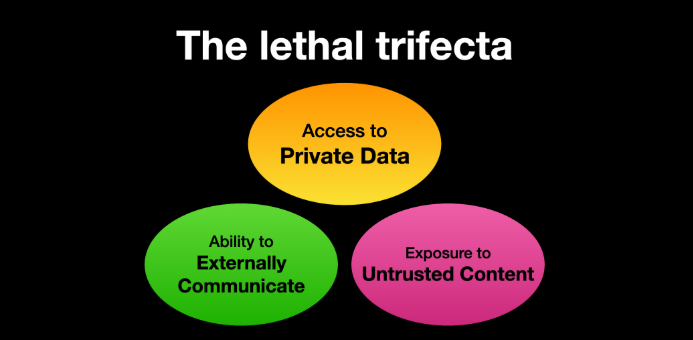
The rise of AI-based assistants is transforming how we interact with technology, but it's also shifting security paradigms in unforeseen ways. Autonomous agents like OpenClaw are revolutionizing productivity by automating tasks, yet they also pose new risks as they often require extensive access to personal data and systems. This growing reliance on AI tools challenges traditional security measures, blurring the lines between trusted applications and potential insider threats.
Organizations must navigate this delicate balance, leveraging the benefits of AI while implementing stringent security protocols to mitigate associated risks. As these technologies continue to evolve, businesses must prioritize education and awareness to ensure that both employees and systems are safeguarded against potential misuse.
The number of recently exploited vulnerabilities in Cisco's Catalyst SD-WAN, highlighting the breadth of potential attack vectors for cybercriminals.
FonteThe time since smart doorbells like Ring have become ubiquitous in American neighborhoods, underscoring the rapid evolution of smart home technology and its implications for privacy.
FonteThe number of prominent AI-based assistants that are increasingly integrated into users' digital workflows, raising new security dilemmas as these tools gain autonomy.
FonteEU Court's Landmark Opinion on Phishing Refunds
The Advocate General of the CJEU has proposed that banks should be mandated to refund phishing victims immediately, challenging existing norms around consumer responsibility. This ruling could redefine the landscape of consumer protection in financial services within the EU, compelling banks to adopt stricter security measures and prioritize customer safety. As this opinion moves through the legal system, its outcome will likely influence global banking practices regarding fraud response.
Phishing Tactics: The Dark Side of .arpa and IPv6
Hackers are now using the .arpa domain and IPv6 reverse DNS lookups to conduct phishing attacks that can circumvent traditional security mechanisms. This new tactic poses a significant threat to organizations as it complicates detection and response efforts. The need for advanced security strategies to combat such innovative cyber threats has never been more urgent.
- Hackers exploit vulnerabilities in Cisco's SD-WANCisco's Catalyst SD-WAN is facing widespread exploitation due to several vulnerabilities, prompting urgent calls for better security measures. — SecurityWeek
- AI Assistants: The New Security FrontierThe rise of AI assistants is altering security priorities, as these tools can blur the lines between user and threat. — Krebs on Security
- Ring doorbells and privacy concernsA podcast episode discussing the privacy implications of Ring doorbells following a controversial advertisement. — Malwarebytes
Questa edizione ti è stata utile?
Basta un clic: orienta la prossima.