 Open Source· · 2 min
AI Tools Take Center Stage.
Today in open source and programming languages, AI tools are making waves. From browser automation to security vulnerabilities, the landscape is shifting rapidly. Developers need to stay sharp and informed—let's dive in.
AI Tools Take Center Stage
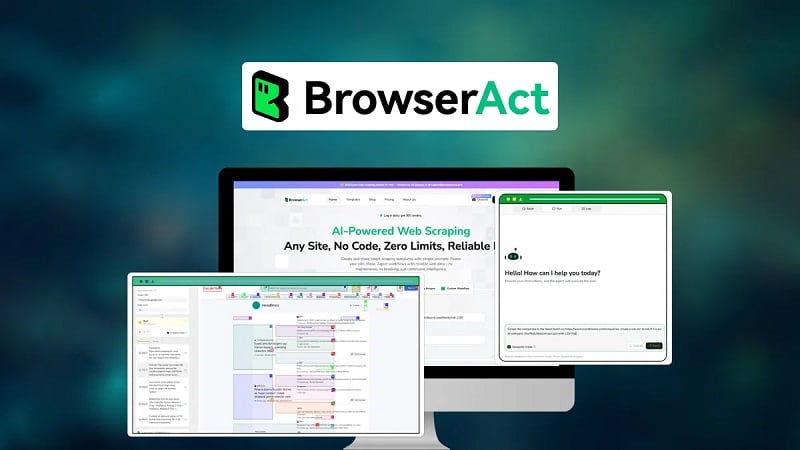
BrowserAct and Kimi WebBridge are redefining web automation with open-source AI agents. These tools aim to streamline tasks and bypass common barriers, making web interactions smoother for developers.
With AI increasingly taking the reins, it’s a game of adaptation. Tools like OpenSquilla are claiming significant reductions in token costs, offering a cost-effective AI solution for enterprises. This shift could change the economics of AI development.
Security Vulnerabilities on the Rise

Recent reports highlight the emergence of AI-assisted exploits, posing new challenges for security. Google's Threat Intelligence Group confirmed the first AI-assisted zero-day exploit, raising alarms about the future of vulnerability detection.
Fedora and Canonical are responding to these threats by enhancing their security measures. With AI now being used to discover and exploit vulnerabilities, the race is on to keep systems secure.
Updates from the Development Front
Visual Studio Code and IntelliJ IDEA both dropped updates packed with fixes and new features. VS Code 1.121 enhances agent host sessions and tool displays, while IntelliJ IDEA 2026.1.2 resolves several user issues.
Kotlin's Multiplatform is also evolving with a new project structure, making it easier for developers to manage their codebases. These updates reflect a commitment to improving developer experience and efficiency.
OpenSquilla claims this percentage reduction in token costs compared to traditional AI agent stacks.
FonteKimi's K2 model boasts this staggering parameter count, leading the open-source AI landscape.
FonteThree critical logic vulnerabilities were uncovered by Canonical's AI-powered auditing agent, Redhound.
FonteAI Exploits: A New Era of Threats
Google's Threat Intelligence Group reports the first AI-assisted zero-day exploit, highlighting how AI can significantly enhance vulnerability discovery. This development poses new risks for open-source software security.
Colorado's Age-Verification Proposal Faces Backlash
Linux developers are rallying against Colorado’s age-verification law, arguing it threatens user freedom and could impose burdens on small OS vendors. The proposed bill raises significant concerns for open-source communities.
- This Week in Rails: May 16, 2026Rails World 2026 is gearing up with ticket sales and new e-commerce tutorial updates. — Ruby on Rails
- Visual Studio Code 1.121 ReleasedThe latest update improves tool displays and integrates new features for agent hosts. — Visual Studio Code
- Pyrefly LSP Integration in PyCharm 2026.1.2PyCharm 2026.1.2 integrates the Pyrefly LSP, enhancing code insights for Python developers. — JetBrains
- New Default Project Structure for Kotlin MultiplatformKotlin Multiplatform projects now have a clearer structure to align with modern conventions. — JetBrains
- Compose Multiplatform 1.11.0 ReleasedThe latest Compose Multiplatform release enhances iOS and web experiences with new features. — JetBrains
Questa edizione ti è stata utile?
Basta un clic: orienta la prossima.