 Open Source· · 2 min
AI Agents Heat Up.
Today’s tech landscape is buzzing with innovations in AI, security vulnerabilities, and open-source tools. From Google’s AI agent testing to the latest security fixes for Linux, there’s a lot to unpack. Let’s dive into what’s making waves in the world of programming and open-source.
AI Agents Heat Up
AI is on the march, with new platforms emerging almost daily. Google is testing its Gemini-powered AI agent, 'Remy', targeting the open-source leader OpenClaw. Meanwhile, Perplexity is entering the fray with a multi-model orchestration platform, looking to revolutionize how AI agents operate in enterprises.
Testkube is also making a splash with its AI-native testing capabilities. This open-source platform is taking testing visibility to the next level, allowing AI agents to run tests and analyze results in real-time. Expect this space to get even more competitive as big names pile in.
Security Vulnerabilities in Focus

Security is a hot topic with the discovery of two local privilege escalation vulnerabilities in the Linux kernel, dubbed 'Dirty Frag'. These vulnerabilities could allow local users to elevate their privileges, affecting multiple Linux distributions, including Ubuntu.
In related news, Russell Coker has tested these vulnerabilities on Debian with SE Linux, providing insights on how the strict policy can mitigate potential risks. It’s a reminder that even established systems aren't immune to security flaws.
Open Source Innovations
The open-source community is buzzing with new tools. Scissero launched 'Suzie Law', a customizable legal AI platform that empowers lawyers to create tailored AI tools. This could significantly streamline legal workflows and reduce reliance on traditional, rigid systems.
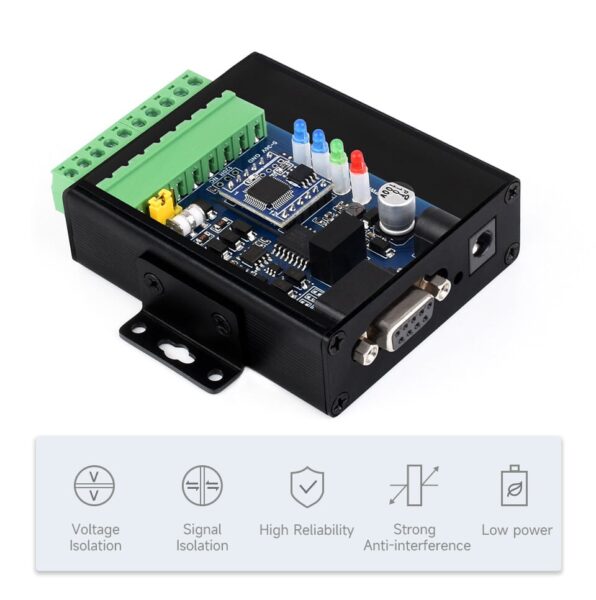
Meanwhile, Anders B. Nielsen introduced the FalCAN Probe, an open-source industrial adapter that supports multiple communication protocols. This versatile tool is set to enhance embedded development projects, showcasing the power of open-source hardware.
Debian and Packaging Updates

Russell Coker continues to share insights into the Debian packaging process. He’s been working on packaging Amazfish for Debian, tackling issues related to Bluetooth connectivity and compatibility with QT6. It's a reminder that software packaging is a complex but crucial aspect of open-source development.
Additionally, Jelmer Vernooij introduced 'remove-after' annotations for Debian files, simplifying the maintenance of package files. This could save developers time and effort when dealing with obsolete code.
The CVSS score for the newly disclosed Dirty Frag vulnerabilities, indicating high severity.
FonteGoogle’s Gemini-Powered ‘Remy’ Targets Open Source AI Agent Leader OpenClaw
Google is testing a Gemini-powered AI agent named 'Remy' aimed at automating tasks across various services, directly competing with the open-source platform OpenClaw. This step highlights Big Tech's push into autonomous AI agents.
Testkube Adds AI Agents, MCP Support, And Free Open Source Execution Viewer
Testkube has launched AI-native testing features and a free execution viewer, enhancing open-source testing capabilities. This integration allows real-time visibility and execution analysis for AI agents.
- Visual Studio Code 1.120The latest release of Visual Studio Code introduces new features aimed at improving user experience and functionality. — Visual Studio Code
- RcppSpdlog 0.0.29 on CRAN: Small EnhancementA minor update to RcppSpdlog has been released, enhancing documentation and support for C++20 features. — Dirk Eddelbuettel
- Packaging Amazfish for DebianRussell Coker shares his experiences with packaging Amazfish for Debian amid challenges with QT compatibility. — Russell Coker
- Remove-after Annotations for Debian FilesJelmer Vernooij introduces a new tool that helps maintain Debian files by automatically removing obsolete code. — Jelmer Vernooij
- Dirty Frag on Debian and SE LinuxRussell Coker tests the Dirty Frag vulnerability on Debian with SE Linux, providing insights on its implications. — Russell Coker
Questa edizione ti è stata utile?
Basta un clic: orienta la prossima.