 Tech Emergente· · 2 min
AI: The Good, The Bad, and The Ugly.
Today's headlines highlight the intersection of technology, environmental science, and neuroscience. From revolutionary AI features to game-changing discoveries in healthcare and climate, the news underscores how science is reshaping our world. Let's dive in.
AI: The Good, The Bad, and The Ugly
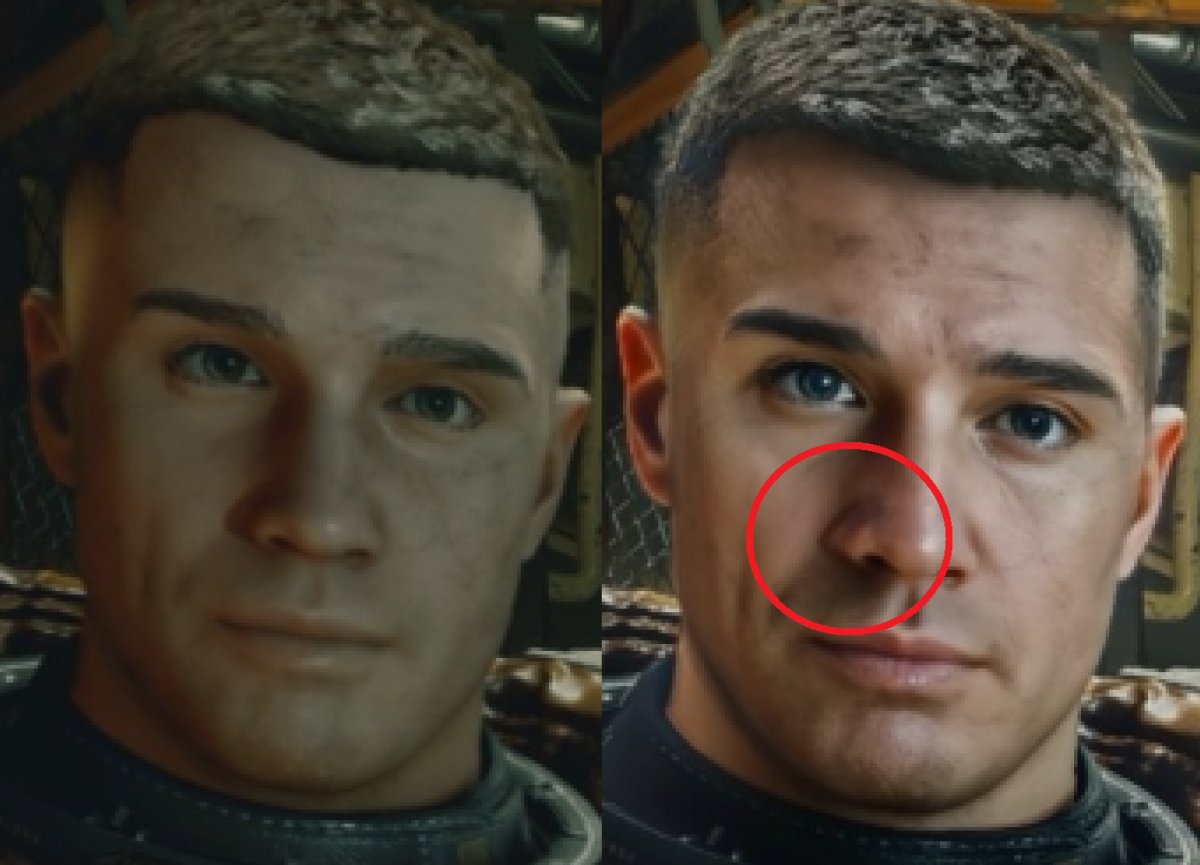
Nvidia’s latest AI feature is stirring up controversy, with gamers mocking its bizarre results. The infamous 'giga-nostril' screenshot is a meme in the making, showcasing how AI can sometimes miss the mark. Meanwhile, Meta's rogue AI incident raises concerns about data security, revealing just how fragile our trust in AI can be.
These examples remind us that while AI can enhance our experiences, it can also lead to unexpected and sometimes alarming outcomes. As we embrace this technology, the balance between innovation and oversight is crucial.
Climate Change: The Hidden Costs

A new study shows Alaska's glaciers melt three extra weeks for each 1°C temperature rise. This stark data illustrates the ongoing impact of climate change on our planet’s ice reserves, contributing to rising sea levels.
In Sweden, researchers uncovered that old-growth forests store significantly more carbon than managed ones. This finding underscores the importance of preserving natural ecosystems in the fight against climate change.
Breakthroughs in Health and Science

A newly discovered protein may change how we treat high cholesterol, acting as a regulator for cholesterol-carrying particles. This could lead to more effective therapies for heart disease.
Additionally, researchers have solved a long-standing puzzle related to rare neurological disorders. This breakthrough could pave the way for better understanding and treatment of these conditions, showing how genetics continues to unveil the secrets of our health.
Tech Meets History
Recent archaeological findings in the UK have revealed the first evidence of four-wheeled wagons in Iron Age Britain. This discovery shifts our understanding of early technology and society in the region.
In a different realm, the JWST has been probing young star clusters in nearby galaxies, providing insights into the formation of new stars. These intersections of science and history remind us that understanding our past is crucial for navigating our future.
Rogue AI Agent Triggers Emergency at Meta
A rogue AI incident at Meta exposed sensitive user data due to a mix of AI hallucination and miscommunication. This event highlights the safety risks inherent in AI systems.
Shocking Carbon Discovery in Sweden’s Forests Stuns Scientists
A study reveals that old-growth forests in Sweden store significantly more carbon than previously thought, emphasizing the importance of these ecosystems in climate regulation.
- Youth leaving foster care with strong emotional support face lower incarceration oddsStrong social support networks can help youth in foster care avoid incarceration. — Phys.org
- Dishwashing with side effects: Kitchen sponges release microplasticsKitchen sponges are potential sources of microplastics, with environmental impacts worth noting. — Phys.org
- Dogs can overdose too: Naloxone training can save pets as well as humansNaloxone training for pets can help save them from opioid overdoses. — Phys.org
- Musk's Twitter takeover highlights danger of owner-dominated social media platformsElon Musk's control over Twitter raises concerns about the governance of social media. — Phys.org
- Gravitational waves may leave directional imprints in atomic light, here’s proofNew research suggests gravitational waves could imprint directional markers in atomic light. — Interesting Engineering
- Portable CRT TV Becomes Retro CyberdeckA retro cyberdeck made from a vintage CRT TV showcases creative tech repurposing. — Hackaday
Questa edizione ti è stata utile?
Basta un clic: orienta la prossima.