 Business· · 4 min
The Rise of AI Infrastructure: From Tools to Talent.
Today's tech news spotlight shines on the intersection of artificial intelligence and the evolving landscape of startup innovation. From the launch of new AI tools and SDKs aimed at developers to a fascinating exploration of the implications of AI agents in the workplace, the narratives reveal a sector in rapid transformation. As companies navigate the complexities of AI integration, consumer expectations, and market competition, the stakes are higher than ever. Plus, the unexpected rise of 'man camps' for data center construction reflects the urgency of infrastructure demands in our tech-driven society.
The Rise of AI Infrastructure: From Tools to Talent
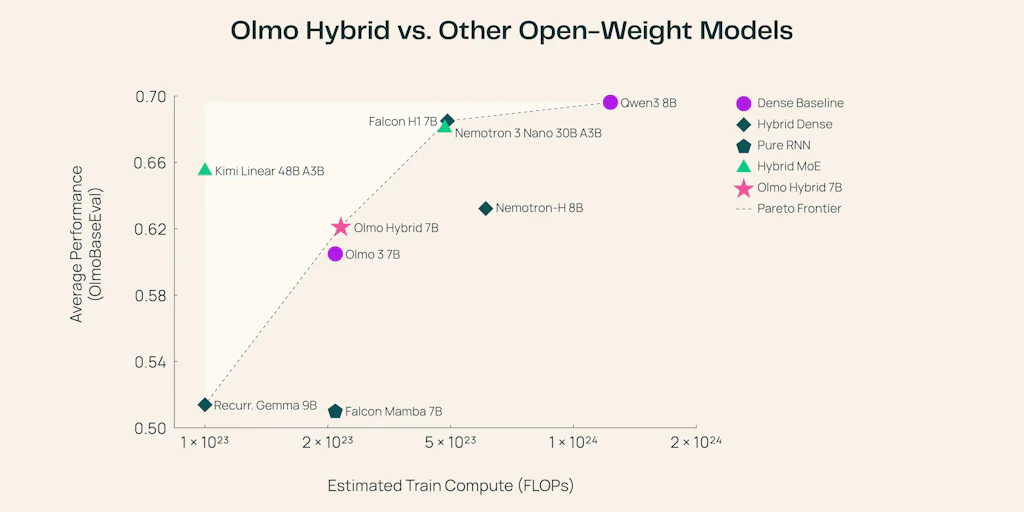
In the evolving digital landscape, AI infrastructure is becoming a cornerstone for innovation. Tools like the Olmo Hybrid model from the Allen Institute and the 21st Agents SDK are paving the way for developers to create more sophisticated applications with AI capabilities. The Olmo Hybrid, a blend of transformer and RNN architectures, demonstrates how open-source models can lead to significant advancements while reducing resource consumption by nearly half. Meanwhile, the 21st Agents SDK is making it easier than ever for developers to integrate AI agents into their applications, streamlining the process and promoting broader adoption.
However, this surge in AI capabilities does not come without challenges. As these tools become more accessible, the demand for skilled talent is skyrocketing. The construction of data centers to support AI workloads is in full swing, leading to a burgeoning need for skilled workers. Companies are turning to 'man camps'—temporary housing solutions designed to attract talent to remote data center sites—illustrating the lengths to which businesses will go to meet their operational needs.
Navigating the AI Work Landscape: More Work or More Efficiency?

As AI tools proliferate, a paradox is emerging in the workforce: while these technologies promise to make our jobs easier, they often lead to increased workloads. This phenomenon, dubbed the Cowan Paradox, suggests that instead of reducing the burden of work, AI agents may actually compel employees to do more to keep pace with expectations. Companies leveraging AI report greater productivity, but this often translates to heightened demands on workers, who must now navigate a landscape that is both more efficient and more competitive.
This paradox is further emphasized by industry insights, such as those shared by David Barnett, founder of PopSockets. His experience highlights the iterative nature of product development and the constant need for adaptation in a rapidly changing market. As startups and established companies alike grapple with these dynamics, the emphasis on agility and continuous improvement becomes paramount. The introduction of AI into workflows may promise efficiency, but it also requires a cultural shift within organizations to manage the rising demands effectively.
Funding and Fortunes: A Snapshot of Tech's Financial Landscape

In the world of venture capital, today's headlines highlight significant financial movements that shape the tech ecosystem. Google CEO Sundar Pichai's staggering $692 million pay package underscores the high-stakes game of leadership in tech giants, where performance incentives are tied to ambitious projects like Waymo and drone delivery initiatives. This lucrative compensation structure reflects the broader trend of aligning executive pay with innovation outcomes, pushing leaders to drive growth in a competitive market.
On the startup front, the recent launch of Codex Security, an AI-driven application security tool from OpenAI, reflects the increasing importance of cybersecurity in tech development. As companies rush to integrate AI into their products, ensuring security against vulnerabilities is critical. The tech industry is not only about creating innovative solutions but also safeguarding them, marking a dual focus that investors and entrepreneurs must embrace to thrive.
The projected value of mobile housing projects for data center workers highlights the urgent need for infrastructure to support AI-driven technology.
FonteThe 21st.dev SDK's reach indicates a growing demand for AI development tools among the programming community.
FonteSundar Pichai's new pay package positions him among the highest-paid executives, reflecting the high stakes of tech leadership.
FonteOpenAI Delays ChatGPT’s ‘Adult Mode’ Again
OpenAI's repeated delays in launching the 'adult mode' for ChatGPT raise questions about prioritization and user expectations. Initially set for December, the launch has been postponed to focus on enhancing the core ChatGPT experience. This decision highlights the tension between expanding features and ensuring quality, as OpenAI attempts to balance adult content with broader usability. As delays continue, users are left wondering whether the feature will ultimately meet their needs or remain an elusive promise.
OpenAI Robotics Lead Caitlin Kalinowski Quits in Response to Pentagon Deal
Caitlin Kalinowski's resignation from OpenAI following the controversial Pentagon deal underscores a significant ethical debate in the AI community. Her departure highlights concerns over governance and the implications of AI in national security, raising questions about the stewardship of AI technologies. Kalinowski's principled stance reflects broader anxieties surrounding the militarization of AI and the moral responsibilities of tech companies in shaping the future of these powerful tools.
- LTX Desktop: Open-Source Video Editing Made EasyLTX Desktop offers a local, open-source video editing solution optimized for GPUs, combining traditional editing with AI capabilities. — Product Hunt
- Thinking Line: AI Doodle Video and Vector GeneratorThinking Line enables users to create editable SVGs and engaging videos from prompts using AI technology. — Product Hunt
- Grammarly’s ‘Expert Review’ Lacks Genuine ExpertsGrammarly's new feature promises expert feedback but falls short by not involving actual experts in the review process. — TechCrunch
- Karpathy’s March of Nines: Rethinking AI ReliabilityAndrej Karpathy's insights into AI reliability emphasize the challenges of achieving consistent performance in complex workflows. — VentureBeat
- The Sword of Damocles in Software: NDR DeclineThe analysis of net dollar retention across software companies reveals a worrying trend for the bottom quartile amid escalating competition. — Tunguz
- PopSockets Founder Talks Viral Business SuccessDavid Barnett shares his journey of building PopSockets, highlighting the importance of adaptability in entrepreneurship. — TechCrunch
Questa edizione ti è stata utile?
Basta un clic: orienta la prossima.