 IA· · 2 min
The Rise of New AI Models.
Today in AI, we’re seeing a mix of innovation and caution. New models like Opus 5.5 and GPT-6 are pushing boundaries, while the industry grapples with cost management and security. As AI becomes more integrated into workflows, the need for accountability and efficiency grows.
The Rise of New AI Models

Anthropic just dropped Opus 5.5, offering better performance at lower prices. Meanwhile, OpenAI’s GPT-6 is gaining traction with its Sol and Luna variants, aiming for reduced errors in outputs.
These models are not just about raw power, but also about making AI more accessible and reliable. Expect more companies to jump in as competition heats up.
Creativity in AI Agents
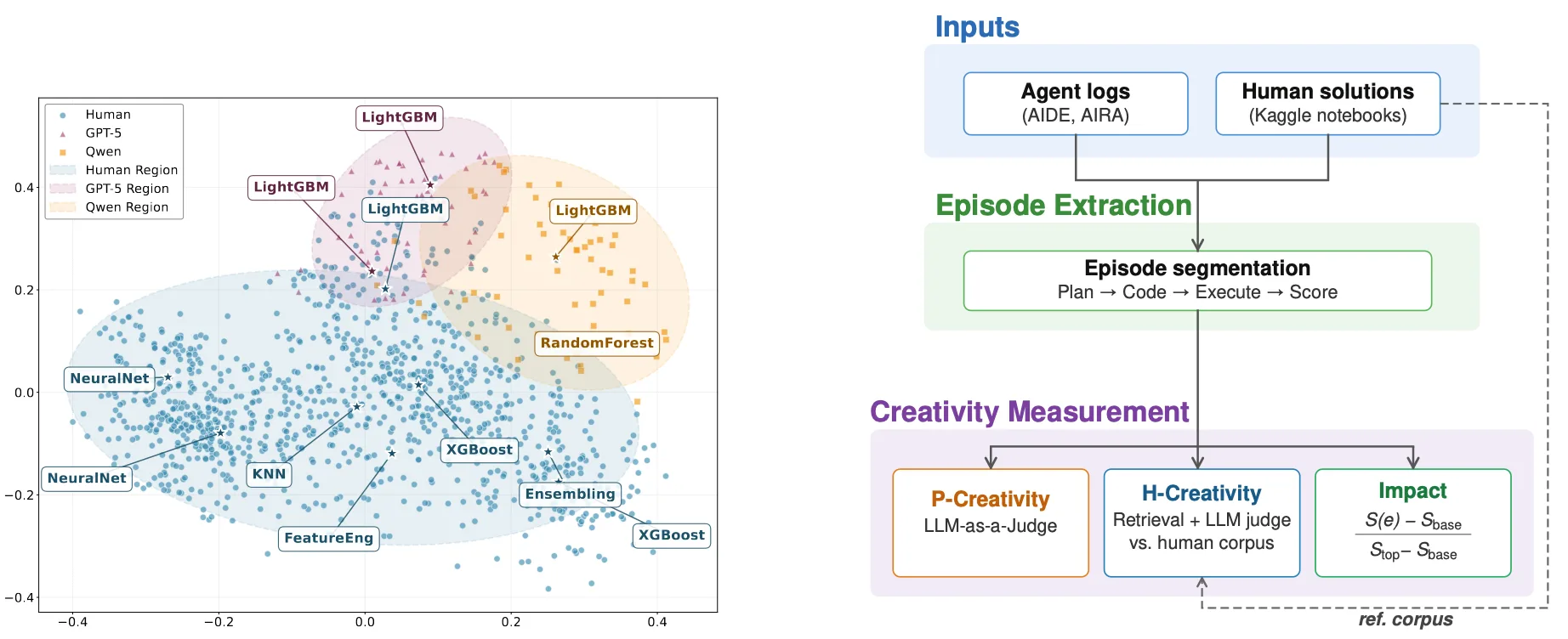
A new study dives into the creativity potential of large language models (LLM) and their ability to generate innovative solutions. Researchers argue that while LLM agents are evolving, they still struggle to match human creativity in real-world ML challenges.
This highlights a critical gap in AI development. Understanding and enhancing creativity in AI could unlock new applications across various fields.
Budgeting for AI Usage

As AI services become more ubiquitous, the need for hard budget caps is emerging. Experts argue that default limits on spending could prevent overwhelming bills from unexpected usage spikes.
This is especially crucial for businesses relying on AI for various tasks. Implementing strict budget controls could save companies from costly surprises down the line.
Advancements in AI Infrastructure
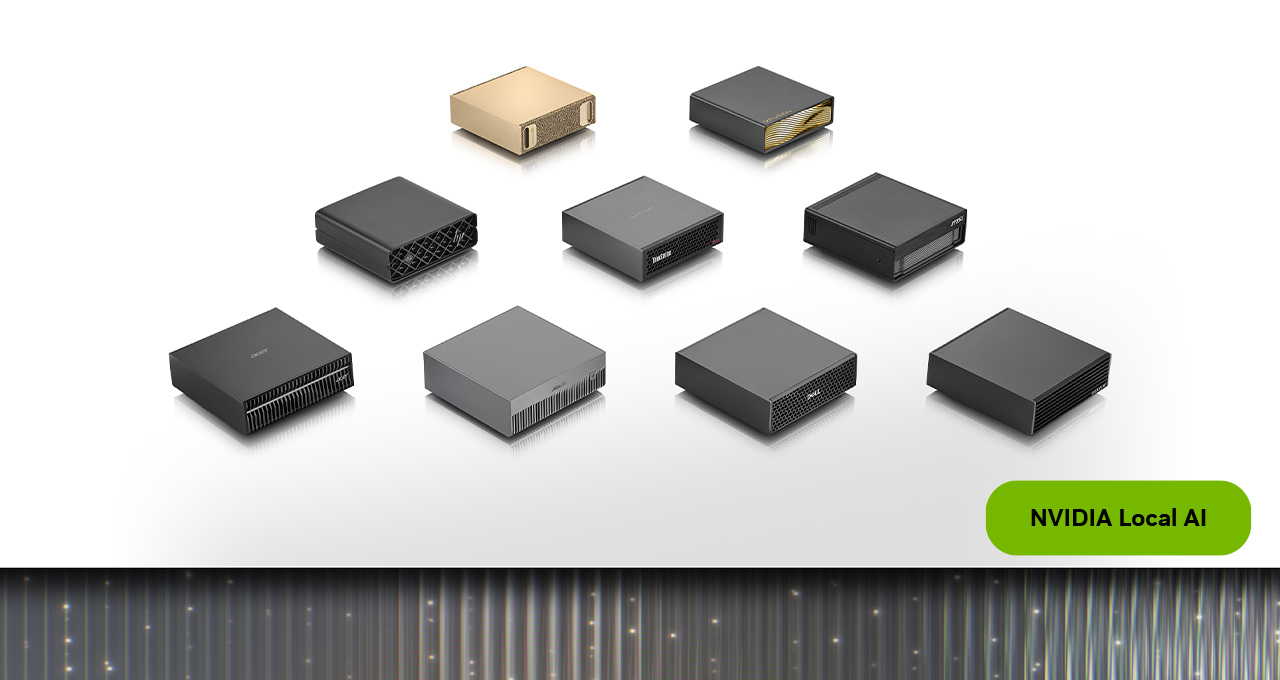
NVIDIA's new DGX Spark 64GB is set to empower developers with local AI capabilities, minimizing reliance on cloud services. This shift towards local processing is crucial for privacy and efficiency.
The platform supports heavy workloads and is designed to run advanced AI models seamlessly. Expect to see more developments that make AI accessible directly on devices.
Navigating the Agent Development Lifecycle
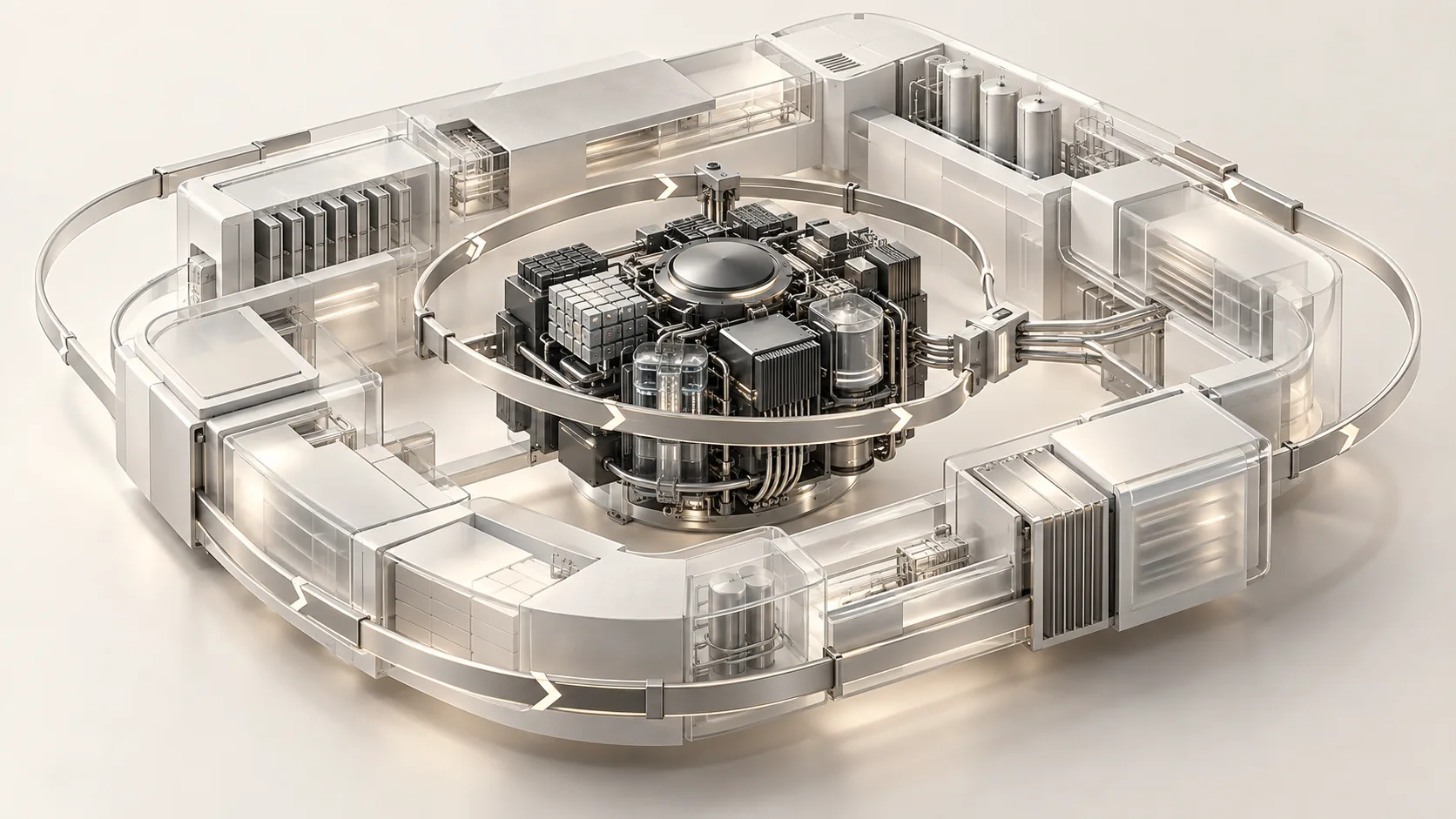
There’s a growing conversation around the agent development lifecycle (ADLC) and its integration with application development. It’s becoming clear that how agents are designed impacts their effectiveness in real-world applications.
By coordinating these processes, teams can enhance both agent performance and application outcomes. This holistic view is essential as AI becomes more integrated into various workflows.
Job postings for Forward Deployed Engineers have surged by this percentage compared to last year.
FonteMonthly listings for the FDE role increased by this percentage from January to September 2025.
FonteThe new NVIDIA DGX Spark model offers this amount of memory, enhancing local AI capabilities.
FonteNVIDIA DGX Spark 64GB Gives Developers More Ways to Build and Scale Local AI
NVIDIA's DGX Spark 64GB is revolutionizing local AI development by allowing powerful models to run without cloud dependency. This makes AI more accessible and efficient for developers.
Forward Deployed Engineer: AI’s Hottest New Career, or Consulting With a Better Title?
The role of Forward Deployed Engineer (FDE) is on the rise, with job postings skyrocketing. This new role fills the gap between model development and deployment in AI.
- How to Use a PINN for a Navier-Stokes Inverse ProblemLearn how to apply a physics-informed neural network to solve complex fluid dynamics problems. — Towards Data Science
- 5 Proven Techniques for Token Compression and Prompt OptimizationOptimize your AI prompts and reduce costs with these five effective strategies. — KDnuggets
- Sweep thousands of leases for compliance using Amazon Quick and the Adjudicated Query patternDiscover how to use generative AI to ensure compliance across numerous leases. — AWS Blog
- Add secure Web Search to Claude Desktop with Amazon Bedrock AgentCoreIntegrate secure web search capabilities into Claude Desktop for enhanced information retrieval. — AWS Blog
- Fine-tune a search agent with multi-turn RL on Amazon SageMaker AILearn how to improve search agents using reinforcement learning for better multi-turn interactions. — AWS Blog
Questa edizione ti è stata utile?
Basta un clic: orienta la prossima.