 IA· · 2 min
AI's Coding Evolution.
AI is sprinting ahead this week. With advancements in coding models, ethical concerns around AI-generated content, and new tools emerging, there's a lot to unpack. Let’s dive into the key themes shaping the landscape.
AI's Coding Evolution

Claude Opus 5.5 has upped the ante in coding performance, trimming costs by 40% and boosting output speed by over 30%. It's not just about efficiency; the model's capabilities are making coding agents more reliable for daily use.
Meanwhile, tools like GraphRAG are pushing the boundaries of how knowledge graphs can enhance language models. By enabling multi-hop reasoning, they tackle complexity that traditional vector databases struggle with.
The Ethics of AI Content
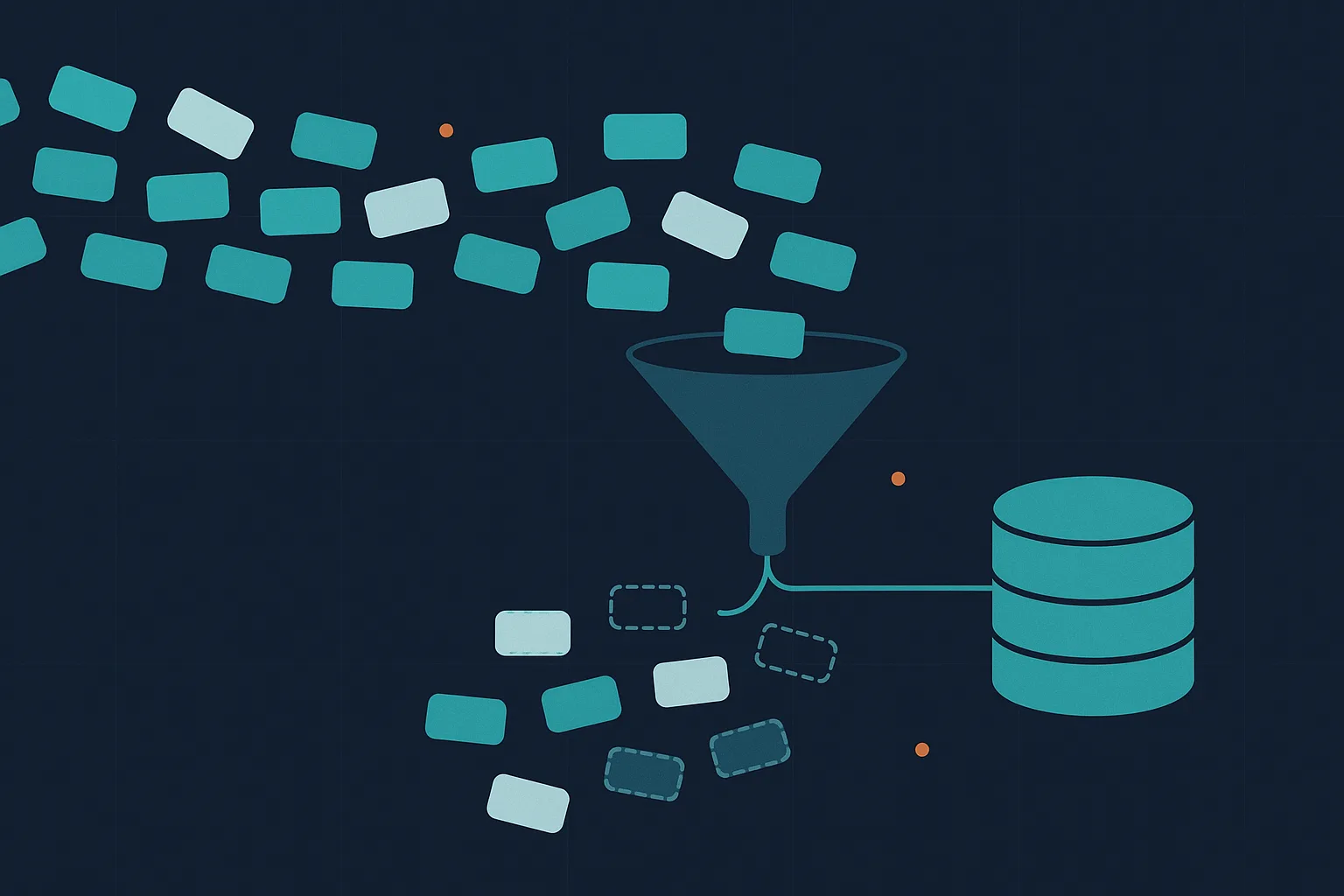
AI-generated content is raising eyebrows, especially in academic circles. A recent study revealed that up to 17% of AI conference peer reviews were significantly altered by AI tools like ChatGPT.
This finding highlights a pressing issue: as AI-generated text becomes more prevalent, it risks diluting the integrity of peer review and research. The ripple effects could reshape how we view authenticity in academic submissions.
Innovative Tools on the Horizon
Tools like the Bluesky reply bot checker are emerging to tackle the influx of automated replies on social platforms. This utility leverages AI to identify and filter out bot activity, improving user experience.
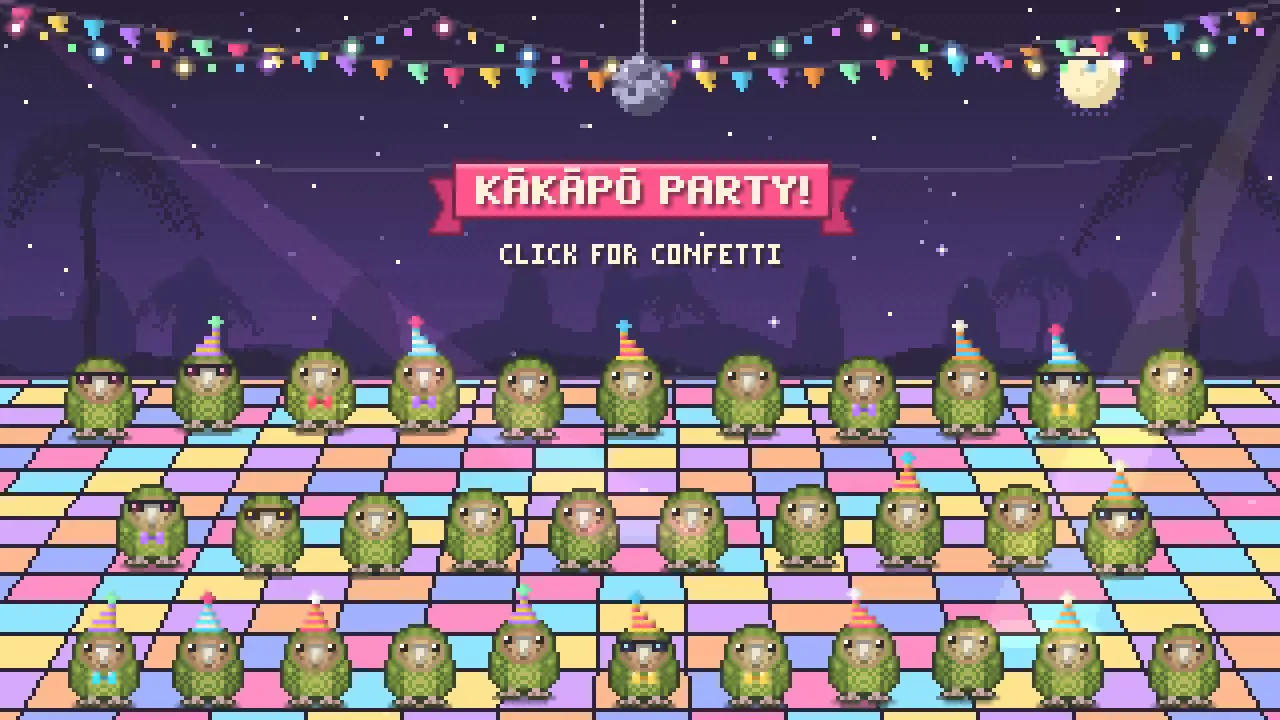
Additionally, Simon Willison's Kākāpō Party tool creatively combines AI with art, showcasing how models can craft engaging animations. These innovations remind us that AI's potential extends well beyond traditional applications.
AI Slop In Your Training Dataset
A study revealed that up to 16.9% of peer reviews for AI conferences were significantly altered by AI. This highlights the ethical implications of AI in academia and its potential to undermine genuine scholarly work.
2026 in LLMs (so far)
A recap of the significant developments in large language models this year. Key improvements in coding agents have made them more reliable, marking a shift in their daily usability.
- Good Architecture Deletes the Signals Your Agent Depends OnA deep dive into how system architecture impacts the reliability of coding agents. — Towards Data Science
- Your LLM Has a Curved Space of ParagraphsExploring the nuances of how language models perceive text structure beyond simple tokenization. — Towards Data Science
- S3 Is the Future, S3 Is the PastA discussion on the stagnant pricing of S3 storage over the last decade. — Simon Willison
Questa edizione ti è stata utile?
Basta un clic: orienta la prossima.