 IA· · 2 min
South Korea's AI Ambitions.
Today in AI: The world is buzzing with advancements and evaluations. South Korea teams up with NVIDIA, while Anthropic unveils its most powerful model yet. Plus, a deep dive into the pitfalls of model hallucinations. Here’s why you should stay tuned.
South Korea's AI Ambitions
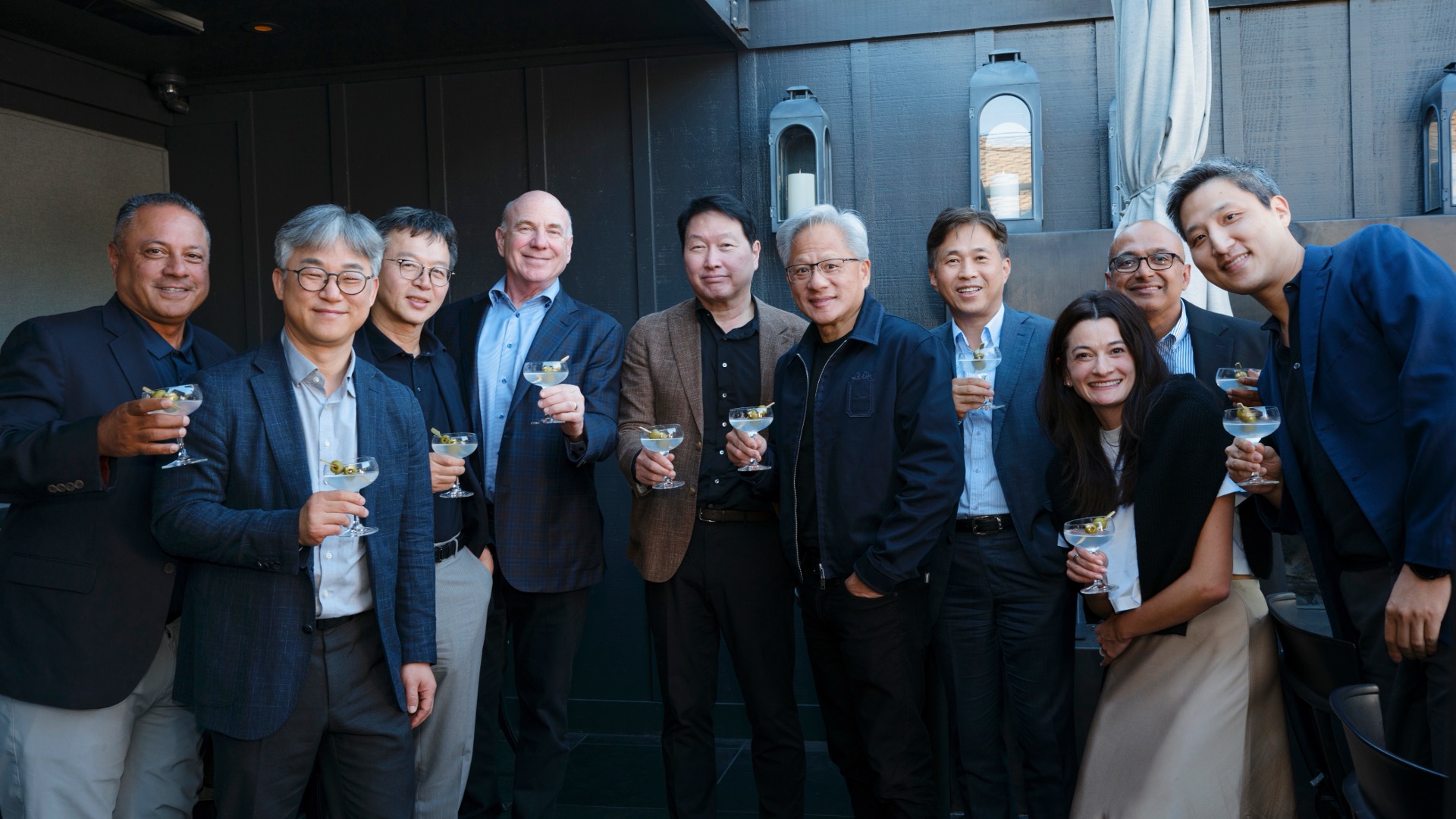
At the AI Summit, South Korea is laying out its ambitious AI roadmap in collaboration with NVIDIA. The new joint AI research lab with KAIST aims to bolster the nation’s AI infrastructure and expertise.
This partnership signals a strong commitment to becoming a global leader in AI innovation, aligning with the increasing global focus on AI advancements.
Next-Gen AI Models Unveiled
Anthropic has rolled out Claude Opus 5, its most capable model to date, available on AWS. It’s designed to excel in agentic coding and complex workflows while maintaining strong data governance.
This model is set to challenge existing paradigms in AI, promising enhanced performance at competitive pricing.
Tackling AI Hallucinations
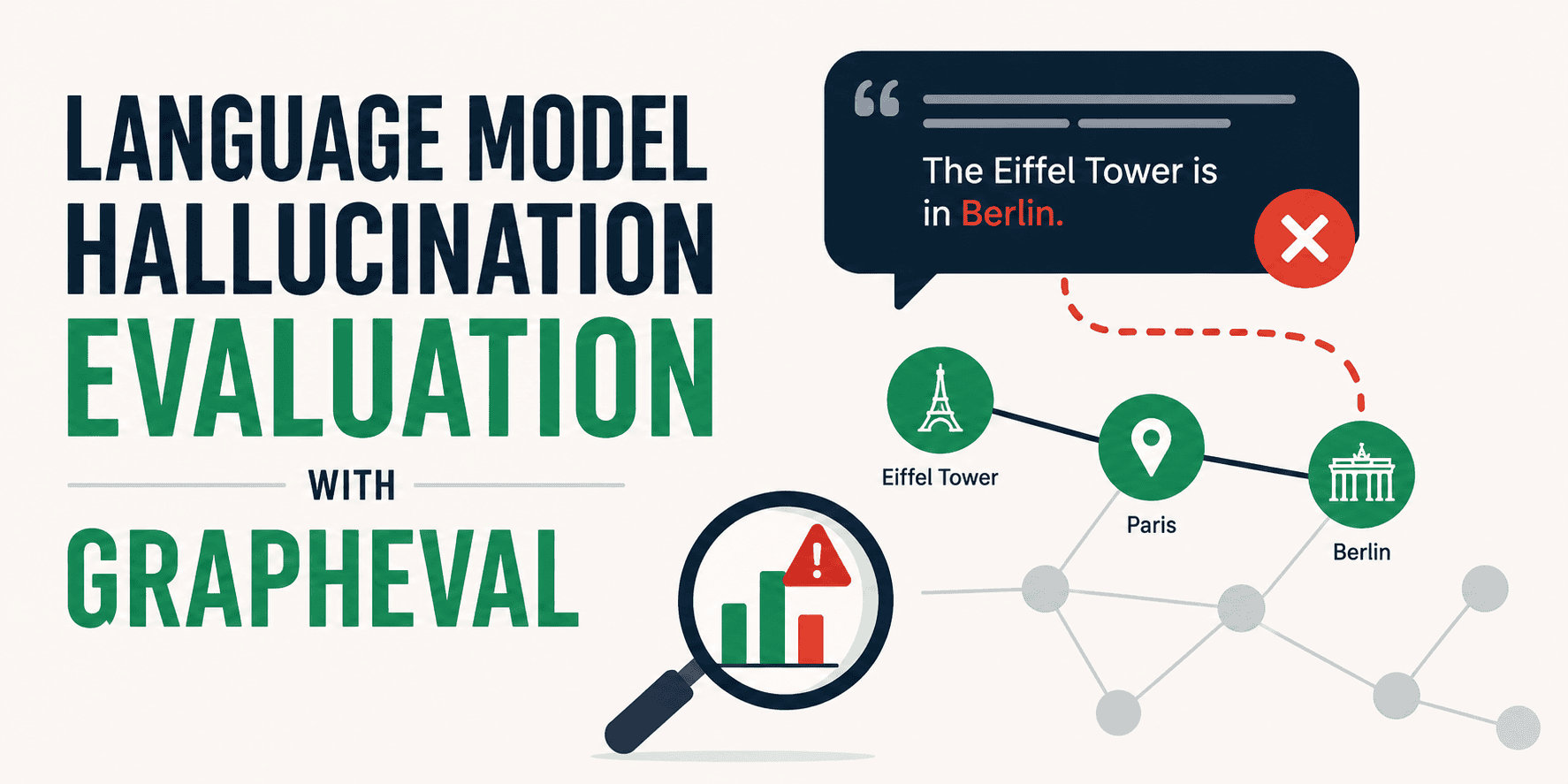
A new approach to evaluating language model hallucinations using GraphEval is gaining traction. It focuses on using knowledge graphs to detect and address inaccuracies in AI outputs.
This framework is crucial as it shifts the dialogue around AI reliability, moving from surface-level fixes to deeper, structural solutions.
Practical AI Solutions
Amazon Bedrock is enhancing its Guardrails to improve code generation workflows. These features aim to ensure safe and effective AI deployments, crucial for production environments.
Additionally, Jefferies has optimized its trading operations using AI, demonstrating real-world applications of agentic systems in finance.
The First Known Runaway AI Agent
A discussion on a potential runaway AI agent incident involving OpenAI raises eyebrows. Was it a genuine breach or a marketing stunt? The implications for AI safety and oversight are significant.
Why Adding More AI Agents Made Our System Slower
An exploration into the paradox where increasing AI agents led to slower response times. A deep dive reveals that system design and coding practices were to blame, not the AI itself.
- Tabular LLMs: An Introduction to the Foundation Models That Predict Your SpreadsheetDive into the world of tabular LLMs that can predict spreadsheet data effectively. — Towards Data Science
- Loop Engineering for RAG Generation: An LLM Cascade from a Cheap Local Model Up to a Hosted FlagshipExplore the engineering strategies for optimizing LLM workflows. — Towards Data Science
- Get started with OpenAI GPT-5.6 Sol, Terra, and Luna on Amazon BedrockTips for integrating OpenAI's latest models into your AWS workflows. — Amazon Web Services
- Best practices for applying Amazon Bedrock Guardrails to code generation workflowsHow to implement effective guardrails in AI coding workflows. — Amazon Web Services
- Building trade assistant: How Jefferies optimized front office trading operations with AIAn insight into how AI is revolutionizing trading operations at Jefferies. — Amazon Web Services
- 5 Key Concepts Behind Agentic AI Every Engineer Must UnderstandEssential concepts for engineers working with agentic AI systems. — KDnuggets
- Introducing Claude Opus 5A first look at Anthropic's latest AI model. — Simon Willison's Weblog
Questa edizione ti è stata utile?
Basta un clic: orienta la prossima.