 Seguridad· · 2 min
Phishing Attacks on the Rise.
Today, the cybersecurity landscape is buzzing with alarming data breaches and innovative phishing attacks. Major threats like the Kali365 phishing kit and the Ghost CMS vulnerabilities are making headlines. It's a reminder that staying secure requires vigilance as attackers get more creative.
Phishing Attacks on the Rise
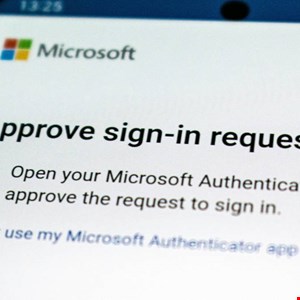
The FBI is sounding the alarm on a new phishing-as-a-service platform called Kali365. This tool allows hackers to bypass multi-factor authentication using OAuth tokens, making it easier for them to infiltrate Microsoft 365 accounts.
With features like AI-generated phishing lures and real-time tracking, Kali365 is making it simpler for even novice cybercriminals to launch sophisticated attacks. It's a stark reminder that phishing is evolving, and organizations need robust defenses in place.
Supply Chain Security at Risk

Two significant supply chain attacks have emerged recently. The TrapDoor attack is spreading malware via npm, PyPI, and CratesIO, while the Laravel-Lang packages were poisoned to deliver malware across numerous Laravel applications.
These incidents highlight the vulnerabilities in software supply chains, where trusted repositories are exploited to distribute malicious code. Developers need to be cautious about dependencies and the integrity of their packages.
Data Breaches Affecting Thousands

Radiology Associates of Richmond and DocketWise have both disclosed significant data breaches, exposing sensitive information for over 400,000 individuals combined. Names, Social Security numbers, and other personal data were compromised, raising serious concerns about data security in healthcare.
These incidents serve as a chilling reminder of the ongoing risks faced by organizations dealing with sensitive information. Companies must bolster their security measures to protect against such breaches.
Vulnerabilities in Open Source Software

Anthropic's Claude Mythos model has detected over 23,000 potential vulnerabilities across 1,000 open-source projects. This highlights the urgent need for better security practices within the open-source community.
As developers increasingly rely on open-source software, the responsibility to secure these projects becomes critical. Vulnerabilities can lead to widespread exploitation if not addressed promptly.
Kali365 Phishing Kit Hijacking Microsoft Accounts
The FBI has issued a warning about the Kali365 phishing kit, which allows attackers to hijack Microsoft 365 accounts by capturing OAuth tokens. This new platform, distributed via Telegram, enables easy access for cybercriminals.
Ghost CMS Vulnerability Exploited in ClickFix Campaign
A critical SQL injection vulnerability in Ghost CMS has been exploited in a large-scale campaign affecting over 700 websites. Attackers are injecting malicious code, leading to serious security incidents.
Data Breach at Radiology Associates of Richmond
Radiology Associates of Richmond reported a data breach affecting 266,000 individuals, with critical personal information compromised. This incident underscores the vulnerabilities in healthcare data security.
- Lazarus Group Targets Financial Firms with RATThe Lazarus Group is deploying a new memory-only RAT targeting financial and crypto firms. — The Hacker News
- Megalodon Supply Chain Attack Infects GitHub RepositoriesA massive supply chain attack, dubbed Megalodon, has infected over 5,500 GitHub repositories with malware. — SecurityWeek
- Oncology Institute Confirms Data BreachThe Oncology Institute has confirmed a data breach affecting patient information through a third-party provider. — SecurityWeek
- Laravel-Lang Packages Targeted for Malware DeliveryFour Laravel-Lang packages have been compromised to deliver malware to unsuspecting developers. — SecurityWeek
- FBI Warns of New Phishing Service Targeting UsersThe FBI warns about the Kali365 phishing service, which allows attackers to easily compromise Microsoft 365 accounts. — Bleeping Computer
- Weekly Recap: Major Cybersecurity EventsA recap of significant cybersecurity events from the past week, including vulnerability disclosures and ongoing threats. — The Hacker News
¿Te resultó útil esta edición?
Un clic basta: nos ayuda a mejorar la próxima.