 Seguridad· · 2 min
Exploited Vulnerabilities on the Rise.
Today in cybersecurity: Vulnerabilities are being exploited at an alarming rate, with multiple organizations facing serious threats. From ransomware negotiations gone wrong to a major crypto heist linked to North Korea, the landscape is volatile. It's clear: security is more crucial than ever.
Exploited Vulnerabilities on the Rise
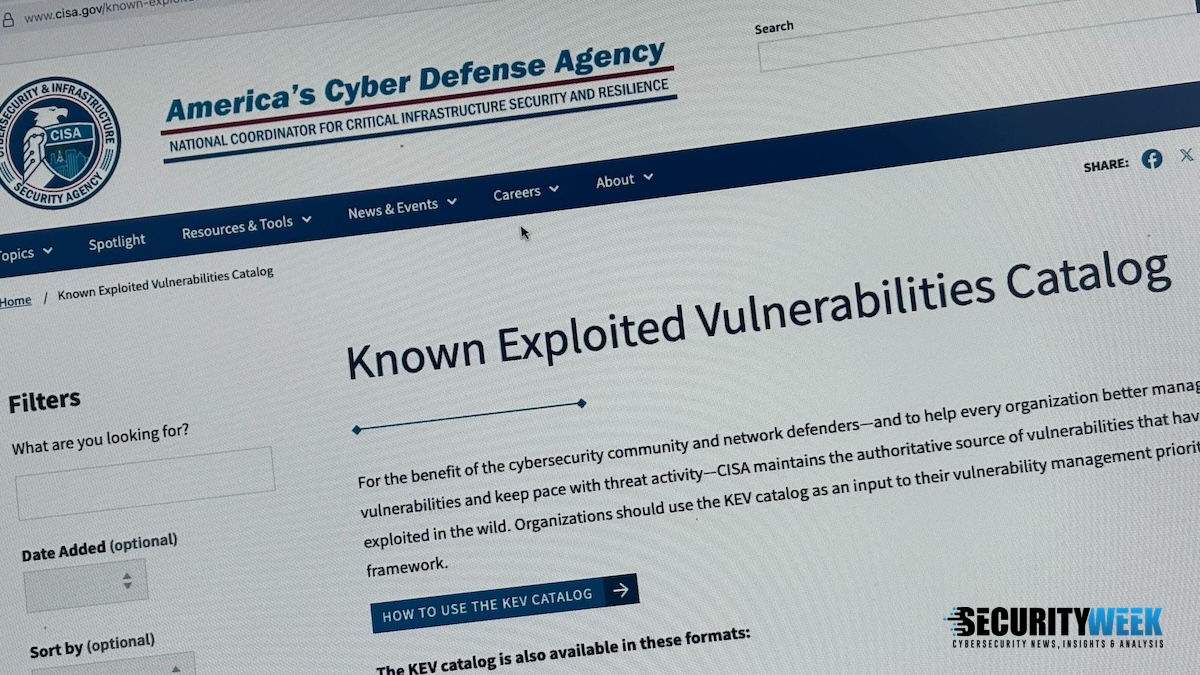
CISA just added eight critical flaws to its Known Exploited Vulnerabilities (KEV) catalog, including a new SD-WAN vulnerability actively being exploited. Federal agencies are racing against the clock to secure their systems before the April 30 deadline. Notably, Apache's ActiveMQ flaw is affecting 6,400 servers — a stark reminder of the widespread risks organizations face.
Meanwhile, Cisco's SD-WAN vulnerabilities are now flagged as exploited in the wild. Organizations must prioritize patching to avoid falling victim to these active threats.
Ransomware Negotiators in Hot Water

Former ransomware negotiators are in legal trouble after being charged with aiding BlackCat attacks. Angelo Martino and his accomplices shared confidential victim information with cybercriminals to maximize ransom payouts. The case highlights the dark underbelly of ransomware negotiation and the potential for corruption within cybersecurity firms.
Another twist: a third security expert has also pleaded guilty for his role in these criminal activities. This increasing trend of insiders colluding with attackers raises serious questions about the integrity of cybersecurity practices.
Crypto Heists and Malware Campaigns

North Korea's Lazarus Group is linked to a staggering $290 million crypto heist involving Kelp DAO. The attack exploited vulnerabilities in the decentralized finance protocol, showcasing the sophistication of state-sponsored hacking efforts.
On the malware front, the NGate campaign is now using a trojanized HandyPay app to steal NFC payment data from Android users in Brazil. As malware evolves, so do the tactics — this variant blends in with legitimate applications, making detection difficult for victims.
Healthcare Data Breaches Expose Thousands

Recent breaches at healthcare organizations in Illinois and Texas have affected nearly 600,000 individuals. The North Texas Behavioral Health Authority reported the largest breach, revealing severe vulnerabilities in healthcare cybersecurity.
These incidents underline the importance of robust data protection measures in sensitive sectors like healthcare, where personal information is a prime target for attackers.
Privacy Upgrades in Tech

Google is rolling out Android 17, which changes how apps request access to contacts. Users will now have more control over which contacts they share, enhancing privacy and reducing data overreach by apps.
This move reflects growing concerns over user data privacy and the need for platforms to adapt to consumer demands for better security measures.
Apache ActiveMQ Vulnerability Exposed
Over 6,400 servers are exposed due to a critical vulnerability in Apache ActiveMQ. Discovered after 13 years, this flaw allows attackers to execute arbitrary code on unpatched systems.
Vercel Cyber Incident: Internal Data Breach
Vercel confirmed a cyber incident involving unauthorized access to sensitive internal data through a third-party tool. The breach raised concerns about security in developer tools.
- New Lotus Data Wiper Targets VenezuelaA new data-wiping malware named Lotus has been employed in targeted attacks against Venezuelan energy and utility firms. — BleepingComputer
- UK Investigates Telegram Over CSAMThe UK investigations into Telegram and teen chat sites are focusing on their compliance with duties related to illegal content. — BleepingComputer
- Dozens of Malicious Crypto Apps Found in App StoreOver two dozen malicious crypto apps targeting iOS users have been discovered in the Apple App Store. — SecurityWeek
- Trojanized Android App Fuels NFC FraudA trojanized version of the HandyPay app is stealing NFC payment data from unsuspecting Android users. — InfoSecurity Magazine
- CISA Flags New Vulnerability in Cisco SoftwareCISA has flagged a new SD-WAN flaw in Cisco software that is actively being exploited in attacks. — BleepingComputer
¿Te resultó útil esta edición?
Un clic basta: nos ayuda a mejorar la próxima.