 Seguridad· · 4 min
Rising Threats in Healthcare and Critical Infrastructure.
This week in cybersecurity is marked by significant data breaches, innovative attack vectors, and a renewed focus on national strategies to combat cybercrime. The healthcare sector continues to be a target, as evidenced by the TriZetto breach affecting millions, while new phishing tactics are leveraging unexpected domains like .arpa. Amidst these threats, governments are ramping up their defenses, with the UK launching a new unit to tackle cyber-fraud and the US unveiling a comprehensive cyber strategy under the Trump administration. As the cyber landscape evolves, so too must our methods for protection and response.
Rising Threats in Healthcare and Critical Infrastructure

The TriZetto Provider Solutions breach, affecting over 3.4 million patients, highlights the persistent vulnerabilities within the healthcare sector. This incident is part of a broader trend, where healthcare organizations are increasingly targeted due to the sensitive nature of the data they hold. The breach compromised not just personal identifiers but also health insurance information, raising concerns about identity theft and fraud.
Additionally, attacks leveraging web server exploits and tools like Mimikatz have been reported against critical infrastructure in Asia, underscoring the global nature of cybersecurity threats. As cybercriminals become more sophisticated, the consequences of these breaches extend beyond immediate financial impacts, threatening public health and safety, thus demanding immediate action from both industry leaders and policymakers.
Innovative Attack Vectors: Phishing and Malware

Phishing tactics are evolving with alarming creativity, as seen in the recent exploitation of the .arpa TLD to host malicious content. This approach represents a significant shift in how attackers are using domain management vulnerabilities to bypass traditional security measures. By leveraging domains that should not host web content, attackers are able to deliver phishing emails that appear legitimate, complicating detection efforts.
Alongside this, the 'InstallFix' campaign is targeting developers with cloned install pages for popular tools like Claude Code, injecting malware into the installation process. This method exploits user trust in known tools and highlights the ongoing need for vigilance among developers and tech users alike, as even seemingly innocuous installation commands can lead to serious breaches of security.
Government Initiatives and Cyber Strategies
In response to the escalating threat landscape, the UK has announced the formation of a new Online Crime Centre aimed at cracking down on cyber-fraud. This initiative is designed to disrupt cyber-criminal operations, focusing on collaboration between government, law enforcement, and private sector partners. The emphasis on proactive measures signifies a shift towards a more comprehensive approach to combating cybercrime, addressing the root causes rather than merely responding to incidents.
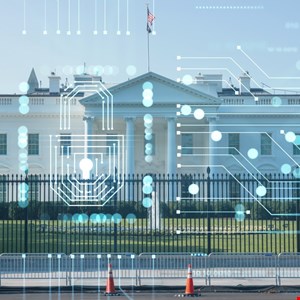
Similarly, the Trump administration has unveiled a new national cyber strategy that emphasizes offensive cyber operations and partnerships with the private sector. This strategy outlines a framework for enhancing the US's digital defenses while promoting innovation in cybersecurity technologies. As nations grapple with the realities of cyber threats, these strategic initiatives are crucial for establishing a robust defense against increasingly sophisticated adversaries.
Over 3.4 million patients had their personal and health insurance information compromised in the TriZetto breach.
FuenteA Ghanaian national pleaded guilty to his role in a romance scam that caused losses exceeding $100 million.
FuenteIn 2024, there were over 5,600 publicly disclosed ransomware attacks worldwide, highlighting the pervasive nature of this threat.
FuenteTriZetto Provider Solutions Breach Hits 3.4 Million Patients
The breach at TriZetto Provider Solutions has exposed the personal and health insurance information of over 3.4 million patients. This incident underscores the vulnerability of healthcare IT systems and the pressing need for stronger data protection measures. With sensitive data in the hands of cybercriminals, the implications for identity theft and fraud are severe, prompting urgent calls for enhanced security protocols across the industry.
FBI Warns of Phishing Attacks Impersonating US City Officials
The FBI's warning about phishing scams that impersonate city and county officials highlights a growing trend in social engineering attacks. By leveraging publicly available information, these scams are tricking individuals and businesses into making fraudulent payments. This tactic not only threatens financial security but also undermines trust in local governance, indicating a need for greater public awareness and enhanced cybersecurity education.
UK Launches New Crackdown Unit to Tackle Cyber-Fraud at the Source
The UK's new Online Crime Centre aims to tackle cyber-fraud more effectively by collaborating across sectors to disrupt criminal operations. This initiative represents a significant step in addressing the multi-faceted nature of cybercrime, focusing on proactive measures to shut down operations before they escalate. Such a comprehensive approach may serve as a model for other countries facing similar challenges in combating cyber threats.
- Ghanaian Pleads Guilty to Role in $100m Romance ScamA Ghanaian man has pleaded guilty to his involvement in a global romance scam causing over $100 million in losses. — Infosecurity Magazine
- New Attack Against Wi-FiA new Wi-Fi attack, AirSnitch, demonstrates vulnerabilities in network layers, potentially allowing data interception. — Schneier on Security
- ClickFix Attack Uses Windows Terminal to Evade DetectionA new variant of the ClickFix attack uses Windows Terminal to bypass detection mechanisms, raising alarms about user trust. — Security Week
- CISA Adds Three Known Exploited Vulnerabilities to CatalogCISA has added three new vulnerabilities to its catalog based on evidence of active exploitation, underscoring the need for timely remediation. — CISA
- Ericsson US Discloses Data Breach After Service Provider HackEricsson has disclosed a data breach affecting its employees and customers due to a hack on a service provider. — Bleeping Computer
- Malicious npm Package Posing as OpenClaw Installer Deploys RATA malicious npm package masquerading as an OpenClaw installer is deploying a Remote Access Trojan, stealing macOS credentials. — The Hacker News
- Microsoft Teams Will Tag Third-Party Bots Trying to Join MeetingsMicrosoft Teams will soon label third-party bots in meeting lobbies, allowing organizers to control their participation. — Bleeping Computer
¿Te resultó útil esta edición?
Un clic basta: nos ayuda a mejorar la próxima.