 Open Source· · 2 min
Ethereum's Financial Shift with Venus.
Today's tech news highlights a wave of innovation in open-source software, from new AI security tools to a transformative release for Ethereum L2 economics. Developers are rethinking AI strategies with smaller models, while major initiatives are tackling vulnerabilities head-on. Pay attention — these trends could reshape the future of software development.
Ethereum's Financial Shift with Venus

Cysic's release of Venus aims to disrupt Ethereum's L2 fee structure by making zero-knowledge rollups cheaper. This hardware-accelerated backend promises to enhance security while reducing costs, potentially leveling the playing field against optimistic rollups.
With early benchmarks showing gains, this could be a game-changer for Ethereum users and developers. Expect to see more competitive pricing in the L2 space as this technology gains traction.
AI Takes on Open Source Vulnerabilities

Anthropic's new AI model, Claude Mythos, is being deployed privately to combat open-source vulnerabilities. Partnering with the Linux Foundation and major tech players, this initiative aims to identify and patch critical weaknesses before they're exploited.
By keeping the model under wraps, Anthropic is prioritizing security over publicity, addressing the rising threat of AI-driven cyberattacks. It's a bold move that underscores the importance of proactive security measures in the open-source community.
The Rise of Small Language Models
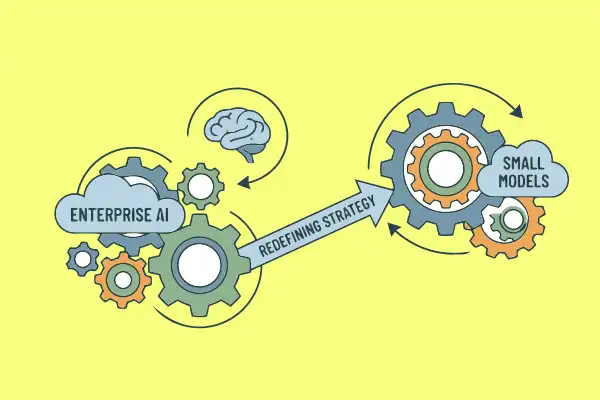
Forget massive AI models; small language models (SLMs) are driving real ROI for businesses. Ranging from 1B to 13B parameters, these models are proving to be agile, with organizations reporting 200-400% ROI in the first year.
Companies are rethinking their AI strategies, opting for speed and precision instead of sheer size. This shift is about getting ahead in a competitive landscape by deploying solutions faster and more effectively.
Big Moves in Open Source Governance

The Apache Software Foundation is welcoming 45 new members and launching a $10M Responsible AI Initiative. This commitment to governance in the rapidly evolving AI landscape is crucial as the foundation aims to bolster open-source technologies.
By emphasizing human oversight and responsible usage, the ASF is positioning itself as a leader in ethical AI development. This initiative could set standards for future open-source projects.
Venus Open Source Release Could Reshape Ethereum L2 Economics
Cysic's release of Venus aims to make zero-knowledge rollups cheaper, enhancing Ethereum's L2 economics. This could significantly impact transaction fees and security models.
Anthropic Deploys Mythos To Secure Open Source Zero-Days
Anthropic is using its AI model, Claude Mythos, to identify vulnerabilities in open-source software before they can be exploited. This controlled release aims to reinforce cybersecurity across platforms.
- The Quiet Revolution: How Small Language Models Are Redefining Enterprise AI StrategySmall language models are gaining traction for their efficiency and ROI, offering solutions that are quicker to deploy than larger counterparts. — Open Source For You
- Visual Studio Code 1.116 ReleasedThe latest update includes new commands and accessibility features to enhance user experience and navigation. — Visual Studio Code
- Optimising RAM Usage With PythonLearn effective techniques to optimize RAM usage in Python applications, crucial for performance. — Open Source For You
- Using Spring Data JDBC With KotlinThis guide explores how to leverage Spring Data JDBC for effective data management in Kotlin projects. — JetBrains
- How (Not) to Learn PythonConsider turning off certain AI features in PyCharm to enhance the learning experience for Python beginners. — JetBrains
¿Te resultó útil esta edición?
Un clic basta: nos ayuda a mejorar la próxima.