 Tech Emergente· · 3 min
AI and Automation: Shaping Tomorrow's Workforce.
In today's tech landscape, the intersection of innovation and societal impact is clearer than ever. From groundbreaking developments in AI and space exploration to the evolution of our understanding of ecological systems, the stories reflect a world grappling with both opportunity and challenge. As we celebrate advancements that promise to reshape our future, there's an underlying urgency to address the implications of these technologies on our environment and social structures.
AI and Automation: Shaping Tomorrow's Workforce

With Google announcing a new AI center in Berlin and Apple unveiling budget-friendly devices, the tech giants are doubling down on their commitment to innovation. These developments not only underscore the growing reliance on artificial intelligence across various sectors but also illustrate how companies are reshaping consumer access to technology. The introduction of more affordable devices, especially by Apple, could democratize access to advanced tech, enabling a broader segment of the population to harness AI's potential.
Moreover, the automation of Building Information Modeling (BIM) in construction signifies a pivotal shift in how large-scale projects are managed. By integrating AI into BIM, construction firms can mitigate risks and enhance efficiency, showcasing the role of automation in driving operational excellence. As industries adapt to these technologies, the challenge remains: how do we prepare the workforce for a future increasingly dominated by AI and automation?
Exploring the Cosmos and Our Environment
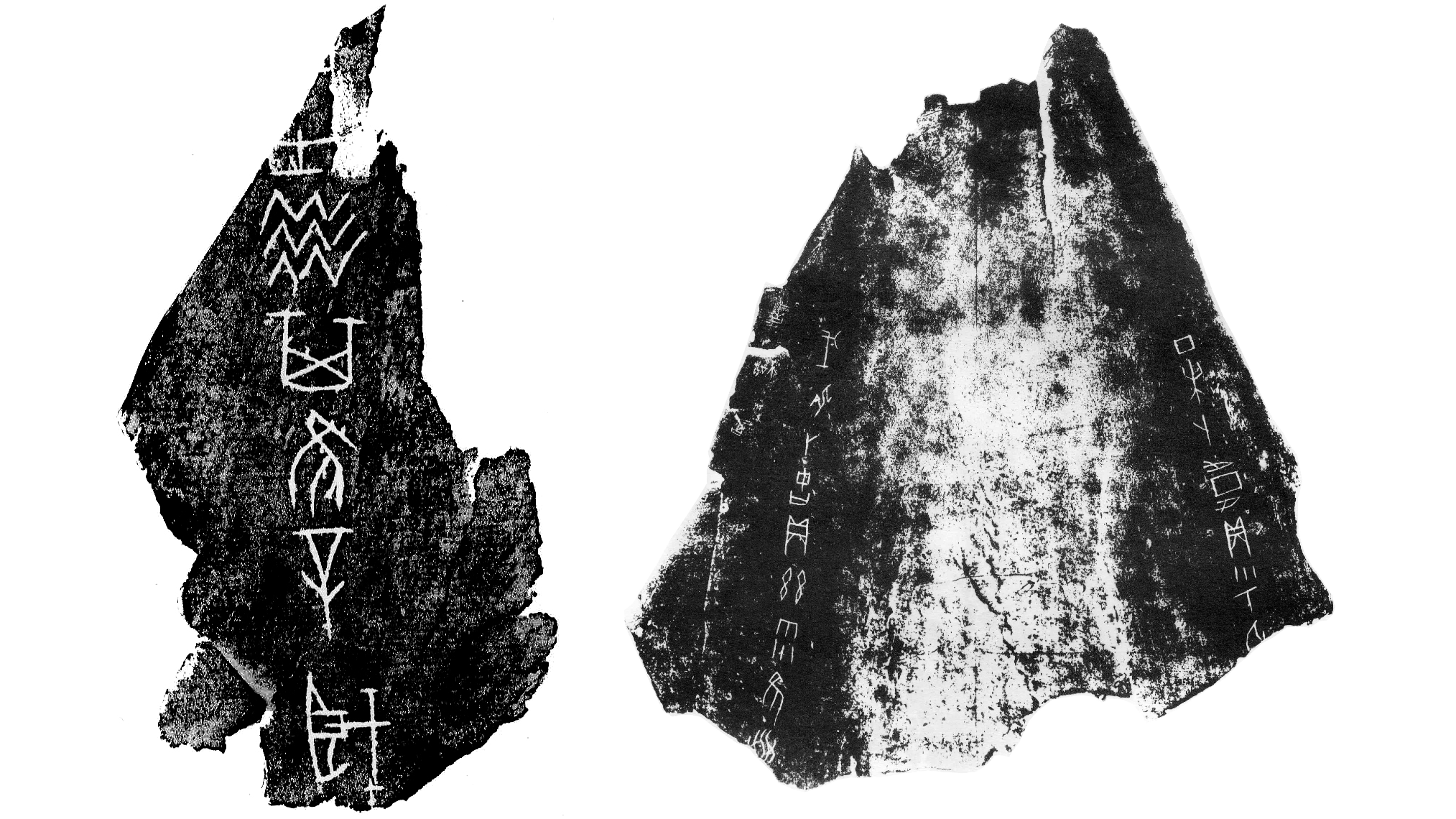
Recent advancements in space exploration, particularly the European Space Agency's Mars orbiters, reveal the ongoing impact of solar storms on planetary atmospheres. As scientists analyze the effects of these cosmic events, we're reminded of the delicate balance that governs our universe and the significance of understanding extraterrestrial environments.
Simultaneously, research into climate change and its historical effects, such as societal upheaval in ancient China, highlights the urgency of addressing environmental challenges today. Scientists are learning from the past, using oracle bones to glean insights into how climate disasters shaped civilizations. These narratives serve as a cautionary tale as we face our own environmental crises, emphasizing the need for informed action and resilience in the face of change.
Biodiversity and Technological Innovation: A New Frontier
The integration of AI into biological research is proving to be a double-edged sword. While technologies like 3D imaging and X-ray scans are enhancing our understanding of species diversity, they also raise questions about conservation and ecological balance. For instance, the dramatic findings regarding the lack of conservation assessments for North America's insects and arachnids highlight a critical gap in our environmental strategy. As biodiversity faces unprecedented threats, the scientific community must leverage technology to not only study but also protect these vital ecosystems.
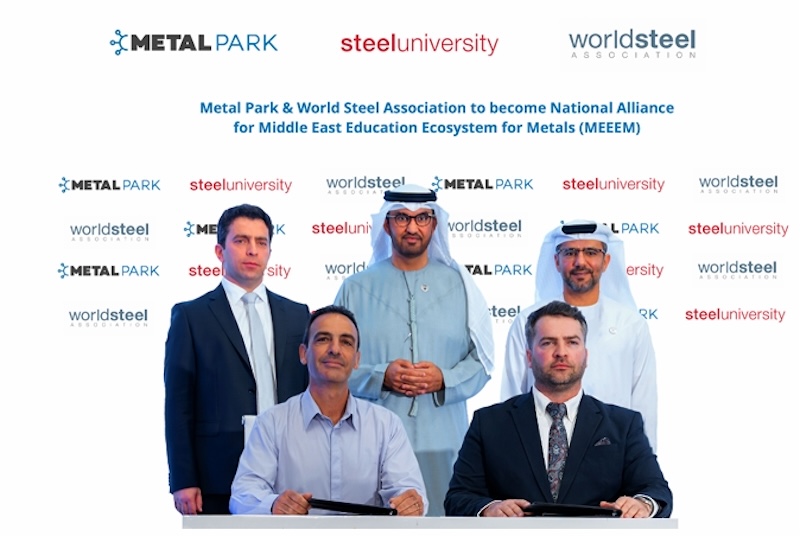
Moreover, initiatives like the UAE’s alliance with the World Steel Association to create a metals education ecosystem underscore the importance of sustainable industrial practices. As nations strive for economic growth, the integration of educational frameworks into industry is essential for fostering innovation that respects ecological limits.
A recent study found that GLP-1 medications may lead to a 50% reduction in the risk of dying from substance abuse disorders.
FuenteIndia lost 33.9 million hectares to floods and excess rain between 2015 and 2021, showcasing the dire effects of climate change on agriculture.
FuenteAlmost 90% of North America’s insects and arachnids lack conservation status, indicating a pressing need for ecological assessments.
FuenteHow Obesity Drugs Could Help Combat Addiction
A massive study involving over 600,000 veterans suggests that GLP-1 medications, typically used for weight loss and diabetes management, may significantly reduce the risk of addiction-related deaths. This finding not only opens new avenues for treating substance use disorders but also raises questions about the multifaceted benefits of drugs traditionally aimed at obesity. As the healthcare community evaluates these implications, we may see a shift in how addiction is treated, particularly in populations vulnerable to substance misuse.
The Rubin Observatory: A Game-Changer for Astronomy
As the Rubin Observatory prepares to unveil its groundbreaking capabilities, concerns arise about the impact of satellite constellations on astronomical observations. This facility promises to revolutionize our understanding of the universe, yet its potential could be compromised by the very technologies designed to enhance our connectivity. The clash between astronomical research and commercial satellite operations is a growing dilemma that the scientific community must navigate carefully to preserve the integrity of space observation.
- Swipe right, but safer: New Safety Map aims to help people navigate risks on dating appsA new interactive Safety Map launched by the University of Waterloo aims to enhance user safety on dating apps, coinciding with International Women's Day. — Phys.org
- Molecular 'catapult' fires electrons at the limits of physicsScientists have discovered a method to propel electrons across materials at nearly the fastest speed possible, challenging existing theories on solar energy systems. — Phys.org
- Japan startup's space rocket fails for third timeA Japanese startup's attempt to launch its satellite into orbit has failed for the third consecutive time. — Phys.org
- Thermogenetics: How proteins are controllable by heatResearchers have developed a modular design strategy that allows for precise control of protein activity through temperature changes. — Phys.org
- Identical twins on trial: can DNA testing tell them apart?A case in France raises questions about the efficacy of conventional DNA testing in distinguishing between identical twins. — Nature
¿Te resultó útil esta edición?
Un clic basta: nos ayuda a mejorar la próxima.