 Cloud y DevOps· · 2 min
AI's Impact on Application Behavior.
Today’s tech landscape is buzzing with innovation in AI, cloud solutions, and infrastructure optimization. From self-healing Kubernetes pipelines to AI-powered application security, the focus is on efficiency and scalability. These developments are shaping how we interact with technology and manage resources.
AI's Impact on Application Behavior

Apple's recent AI split could change how your iOS apps function in China. This move highlights the growing influence of regional regulations on global tech giants. Developers need to stay alert to these shifts, as they can directly affect app performance and user experience.
On a related note, Cloudflare's new tools make securing AI-driven applications easier. With just one click, internal apps can be shielded from unauthorized access. This could become a game-changer for companies worried about data leaks.
Kubernetes and Containerization Innovations

A self-healing Kubernetes upgrade pipeline promises to cut down the manual labor in upgrading control planes. This development could drastically reduce downtime and make Kubernetes management a lot less stressful for operators.
Meanwhile, Packer v1.16.0 is stepping up with verifiable provenance for machine images. This adds a layer of security, ensuring that the origins of images are traceable and tamper-proof.
The Future of Firmware Development

Docker is making waves in firmware development for ESP32 projects. With Docker sandboxes, developers can achieve reproducible builds and work securely with AI coding agents. This could solve long-standing challenges in the firmware development process.
The lightweight Dragonfly deployment model is also gaining traction. It simplifies peer-to-peer distribution, streamlining the process for single clusters without the usual overhead.
Rethinking AI Pipeline Management
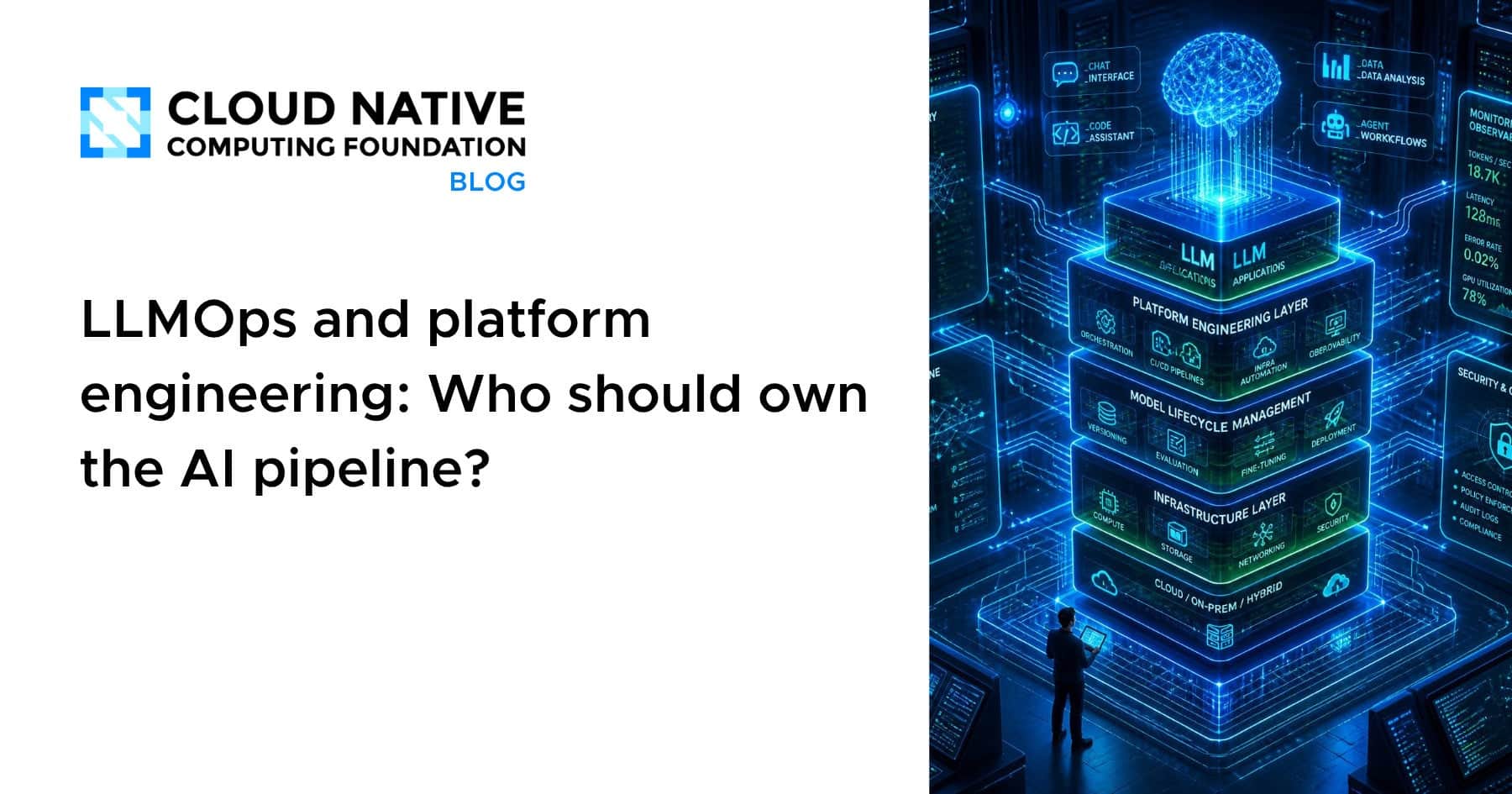
The rise of LLMOps is bringing new dynamics to AI pipeline ownership. As organizations grapple with the complexities of large language models, the lines between MLOps and platform engineering are blurring. Mismanagement could lead to shadow IT problems, so clarity in roles is crucial.
Additionally, companies are now buying AI compute that doesn't yet exist. This speculative strategy underlines the tremendous demand for computing resources as AI technologies continue to evolve.
Why Your AI Pipeline Costs 10x More After the Demo
AI pipeline costs can skyrocket post-demo due to inefficiencies. Understanding these cost drivers is key for organizations to manage budgets effectively.
Eleven Minutes, Zero Humans: Building a Self-Healing Kubernetes Upgrade Pipeline on Kairos
Explore how a self-healing upgrade pipeline can simplify Kubernetes management. This development promises to reduce manual intervention and improve system reliability.
- The Economics of Agent Optimization: From Pilots to Measurable ReturnsUnderstanding the economic benefits of agent optimization can lead to more efficient resource management. — Microsoft
- Secure All Your Internal Vibe-Coded Applications — In One ClickCloudflare introduces tools for easy security management of internal applications. — Cloudflare
- Five European Companies Just Agreed to Buy AI Compute That Doesn’t Exist YetA speculative acquisition opens discussions on the future of AI compute resources. — The New Stack
- Code Review Is a Taste ProblemExamining the subjective nature of code reviews and their impact on development. — The New Stack
- Packer v1.16.0 Brings Verifiable Provenance to Machine ImagesThe new Packer release enhances security with verifiable provenance for machine images. — HashiCorp
¿Te resultó útil esta edición?
Un clic basta: nos ayuda a mejorar la próxima.