 Cloud y DevOps· · 2 min
AI and Developer Efficiency.
Today, we're navigating the evolving landscape of AI and cloud computing. Developers are unlocking new efficiencies while grappling with security and transparency in their workflows. With advancements in tools and platforms, the future of development looks both exciting and complex.
AI and Developer Efficiency
GitLab's latest release introduces features that automate Merge Requests, significantly cutting down the manual labor involved in the process. With AI agents now handling reviewer feedback and resolving conflicts, developers can focus on higher-value tasks.
Meanwhile, Pulumi's Neo expands its capabilities into GitHub and Slack, allowing for seamless task management directly within collaboration tools. These integrations reflect a shift towards making AI an everyday part of the developer's toolkit.
Security in the AI Era

As AI-generated code becomes more common, security teams are feeling the pressure to keep pace. Snyk's recent updates, including integration with Claude Enterprise, aim to help these teams manage risks associated with rapidly generated code.
Open source security leaders are calling for companies to step up and support maintainers, emphasizing that the reliance on free resources can't continue without support for those who provide them.
The Future of Data Platforms
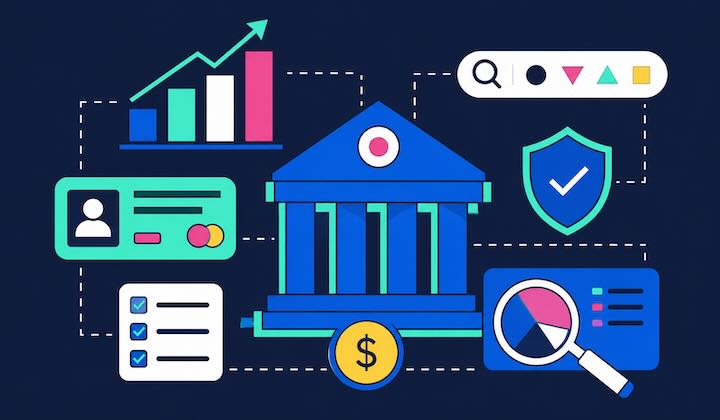
Financial services are pushing for AI adoption but often hit roadblocks due to outdated data architectures. The lack of a unified data platform prevents organizations from achieving the real-time insights necessary for successful AI initiatives.
Companies that began modernizing their data infrastructure years ago are now reaping the benefits, demonstrating that a solid foundation is crucial for operationalizing AI at scale.
Navigating the AI Coding Landscape

As AI coding agents become integrated into development workflows, the need for visibility into their actions grows. Prempti, a new project from Falco, aims to provide oversight of AI agent operations, addressing concerns over trust and security.
With tools like GitLab Duo and Pulumi Neo incorporating AI into their platforms, developers are being urged to consider not just functionality, but also the security implications of these powerful tools.
How NetEase Games achieved 30-second LLM cold starts on Kubernetes
NetEase Games tackled cold start times for LLMs on Kubernetes, reducing load times from 42 minutes to just 3 minutes using innovative caching methods. This is a game-changer for serverless AI applications.
Snyk announces Anthropic updates: Evo integrates with Claude Enterprise
Snyk's Evo now integrates with Claude Enterprise, providing security teams with a comprehensive view of AI models and their associated risks. This integration aims to streamline governance in AI development.
- Cut your AI search costs without sacrificing qualityLearn how to optimize AI search strategies to reduce costs while maintaining quality outputs. — The New Stack
- Building for accessibility in an AI-first development worldExplore strategies for ensuring accessibility in AI-driven development environments. — The New Stack
- Seven Rules for Building an AI-Native Software FactoryEwan Dawson shares insights on transforming software development into an AI-native factory. — Pulumi
- Why six AI labs built the same product for knowledge workers in four monthsA deep dive into the collaboration of six AI labs to create a unified tool for knowledge workers. — The New Stack
- Manage CI/CD credentials with GitLab Secrets ManagerGitLab introduces a new way to securely manage CI/CD credentials without the risk of leaks. — GitLab
¿Te resultó útil esta edición?
Un clic basta: nos ayuda a mejorar la próxima.